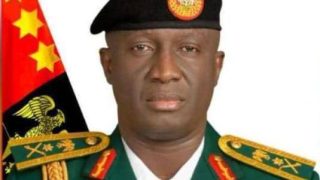
Olukoyede made this known on Friday, March 27, 2026, in Abuja while delivering a goodwill message at the official launch of the programme.
He described corruption as a major threat to both national and global development, stressing that any initiative aimed at addressing the issue deserves support. He noted that the programme’s focus on curbing corruption and illegal financial movements aligns closely with the EFCC’s mandate.
According to him, corruption continues to impose serious economic and social consequences on Nigeria, making sustained and decisive action necessary to reverse the trend.
He further pointed out that the programme comes at a crucial time when Nigeria and the international community are facing growing challenges such as transnational organised crime, terrorism, cybercrime, and illicit financial flows.
Olukoyede explained that criminal networks are increasingly taking advantage of technological advancements, global financial systems, and weaknesses in governance structures to move illegal funds across borders rapidly.
He emphasized that tackling these threats requires strong institutions, coordinated national efforts, and continued international collaboration.
The EFCC boss also highlighted the long-standing partnership between the EFCC and UNODC, expressing confidence that the new programme would make a meaningful impact through its focus on capacity building, inter-agency cooperation, and data-driven strategies to combat organised crime.
UNODC, in its remarks, noted that Nigeria’s strategic importance as Africa’s largest economy and most populous country makes the programme critical, adding that the country has the potential to drive positive change across the region.
The launch event attracted key stakeholders from across the justice and security sectors, including representatives from the judiciary, ministries, departments, and agencies such as the National Judicial Institute (NJI), National Drug Law Enforcement Agency (NDLEA), Nigeria Police Force (NPF), Independent Corrupt Practices and Other Related Offences Commission (ICPC), and the Office of the Director of Public Prosecution of the Federation.

 Follow us on Google News