
Ensuring Nigerians’ Right To Protest Is Protected
 Follow us on Google News
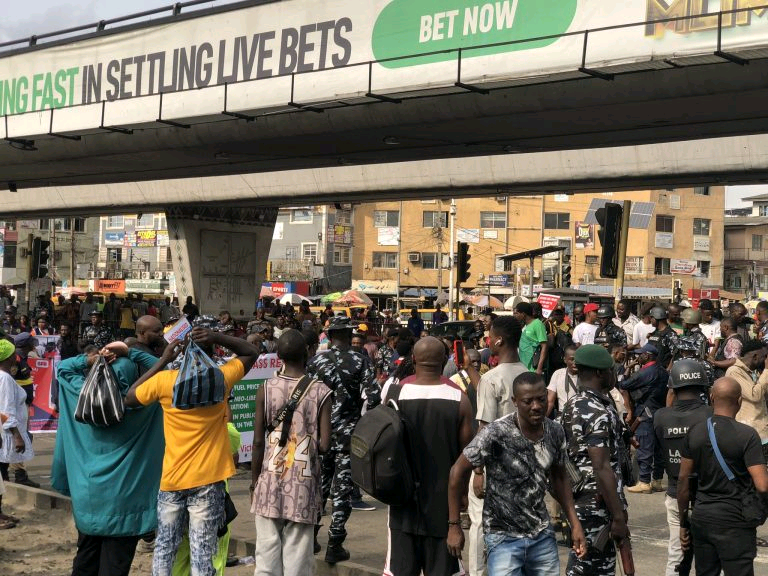
Ensuring Nigerians’ Right To Protest Is Protected
In a thriving democracy, the right to protest is fundamental, and for Nigeria, this right is especially significant. Therefore, the official opposition to the upcoming August 1 #EndBadGovernanceInNigeria protest is both baseless and counterproductive…….. CONTINUE READING
Protests are a crucial expression of democratic rights, enabling citizens to voice their opinions, grievances, and demands collectively. In Nigeria, where political and social issues often remain unaddressed, protests offer a platform for public dissent. Such active participation is essential for a healthy democracy, keeping the government responsive to the needs and aspirations of its people.
Historical and global contexts demonstrate the importance of protests. From the demonstrations against amendments to extradition laws between March 2019 and November 2020 to the ongoing protests in South Korea and France, public demonstrations serve as powerful checks on government power. They remind officials of their accountability to the people and can deter governmental overreach, fostering transparency.
Nigeria’s history is rich with instances where public demonstrations led to significant social and political change, such as the pre-independence movements against colonial rule and the recent #EndSARS protests against police brutality. Despite this history, the effectiveness of organizations like the National Association of Nigerian Students and others has waned.
The 1999 Constitution guarantees the right to assemble and associate freely under Section 40. However, this right faces challenges, including excessive force by security agencies, arbitrary arrests, and the stigmatization of protesters. Such actions undermine democratic expression and instill fear, deterring civic participation.
The #EndSARS protests in 2020 highlighted these challenges, with the government’s violent response, including the infamous Lekki Toll Gate incident, marking a dark chapter in Nigeria’s democratic journey.
Amid recent hardships following the cancellation of the petrol subsidy and naira flotation, calls from ministers, APC stalwarts, and security agencies for the cancellation of upcoming protests further threaten this right.
To safeguard the right to protest, Nigeria must strengthen legal frameworks to protect protesters from violence and arbitrary arrests. Protests, rather than being seen as disruptive, should be viewed as opportunities for peaceful conflict resolution and dialogue. Suppressing protests can lead to frustration and escalate tensions.
A vibrant civil society is essential for democracy’s development and sustainability. As Nigeria evolves, protecting and cherishing the right to protest is crucial, ensuring that every Nigerian can voice their concerns without fear of retribution.




Comments
0 comments