Exploring The Potential Of Intermittent Fasting For Weight Loss Benefits And Risks
Intermittent fasting (IF) has surged in popularity within the wellness community, with enticing promises of weight loss, increased energy levels, and heightened brain function attracting many adherents…READ ALSOSenator Marafa Calls For Unity And Prayer Amid Fasting Season And Economic Challenges
However, recent studies are beginning to cast doubt on this trendy dietary approach. While ongoing research continues to explore its potential benefits, emerging evidence is shedding light on some possible drawbacks of intermittent fasting, prompting a more thorough examination of its safety and efficacy.
What exactly is intermittent fasting?
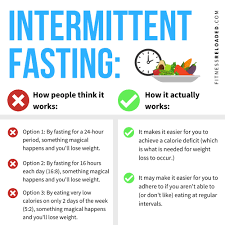
Intermittent fasting is not a specific diet but rather an eating pattern characterized by cycling between periods of eating and fasting. Popular methods include the 16/8 method (fasting for 16 hours and eating within an 8-hour window) or the 5:2 method (eating normally for 5 days and restricting calories to 500-600 on 2 non-consecutive days).
The drawbacks of fasting?
While intermittent fasting has shown promise in some studies, recent research is raising concerns, particularly regarding heart health.
One study, featured in USA Today, has drawn attention to a potential association between intermittent fasting and an elevated risk of heart disease. It suggests that the release of stress hormones during fasting periods may damage blood vessels and contribute to the buildup of plaque, thereby increasing the likelihood of heart attacks and strokes.
Another study, as reported by The Independent (UK) on February 14, 2024, explored the link between intermittent fasting and cardiovascular health. Its findings suggest a possible correlation between intermittent fasting and a heightened risk of cardiovascular mortality, particularly among individuals with pre-existing heart conditions.
Other potential risks
The potential downsides of intermittent fasting extend beyond heart health, encompassing concerns such as nutrient deficiencies, muscle loss, disrupted eating patterns, and its suitability for certain individuals with specific health conditions.
So, is intermittent fasting worth it?
The research surrounding intermittent fasting remains in flux, with some studies pointing to benefits and others underscoring potential risks. Here are some key considerations:
- Consult a healthcare professional: Before embarking on any new dietary regimen, particularly one involving calorie restriction, it’s essential to seek guidance from a healthcare provider. They can evaluate your individual health status and offer personalized advice on the suitability of intermittent fasting for you.
- Explore alternative approaches: There are numerous healthy eating patterns that can support weight loss and overall well-being. Embracing a balanced diet rich in fruits, vegetables, whole grains, and lean protein can yield similar results without the potential drawbacks associated with intermittent fasting.
- Prioritize sustainability: Sustainable weight loss is paramount. While fad diets may yield rapid outcomes, they often prove challenging to maintain over the long term. Focus on cultivating healthy eating habits that you can sustain indefinitely.
In summary, there’s no definitive verdict on intermittent fasting yet. While it may offer some benefits, it’s crucial to weigh these against the potential risks and consider alternative dietary strategies that prioritize both health and sustainability.