Explosive Exit: Former APC Chairman Quits, Says ‘I Refuse To Be A Political Prisoner

Published

Barrister Ben Nwoye, the former Chairman of the All Progressives Congress (APC) in Enugu State, has officially resigned from the party, citing severe internal conflicts and a collapse of leadership as key reasons for his decision.

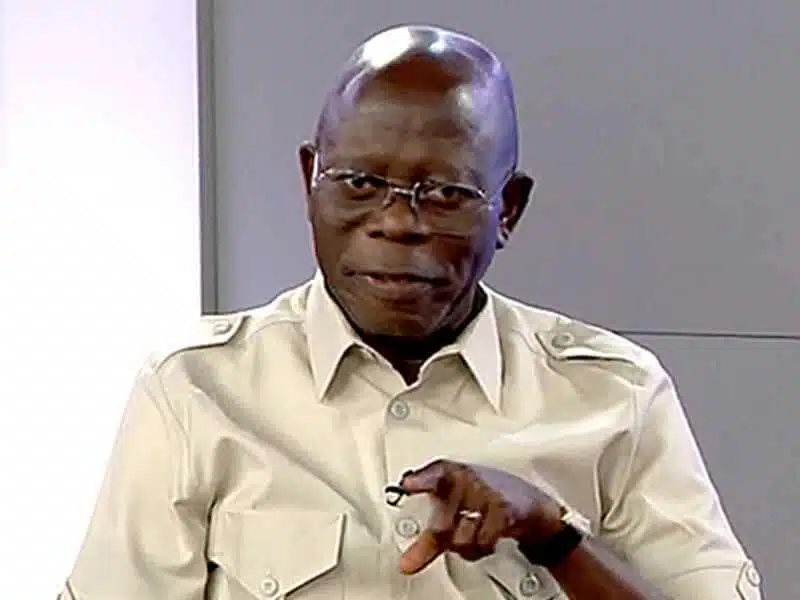
Nwoye, who previously served as a Federal Commissioner at the Federal Competition and Consumer Protection Commission (FCCPC) representing the South East, made the announcement during a press briefing at De Sheriff Hotel in Enugu.

A founding member of the APC, Nwoye expressed his disappointment over the party’s fractured unity, likening the APC’s symbol — the broom — to a tool that has been “loosened and permanently scattered.” He condemned the leadership in the South East for prioritizing “vindictive politics” over growth and inclusiveness, accusing them of suppressing dissenting voices and focusing on political rivals rather than expanding the party’s reach.

Nwoye also addressed the ongoing factional fights within the Enugu chapter of the APC, revealing a battle between two rival factions: one supported by a judicial ruling, and the other openly defying it. He criticized the national leadership for ignoring the crisis and failing to respond to repeated calls for reconciliation from party elders, stating that those who disagreed with the central leadership were treated as “prisoners of political war.”

After extensive consultations with his grassroots supporters, Nwoye concluded that it was time to move on, declaring, “I refuse to be a political prisoner.”

Beyond Enugu, Nwoye also highlighted the marginalization of other prominent APC figures in the South East, including former Minister of Labour Senator Chris Ngige of Anambra and Dr. Ikechi Emenike of Abia. He claimed these individuals, who had significantly contributed to building the party, were being sidelined.

Nwoye’s resignation marks a significant blow to the APC in Enugu and raises fresh concerns about the party’s internal stability and democratic processes in the South East.

Author:
BushRadio

Comments

0 comments

    Join the discussion

    Use a display name or leave it blank to comment as Anonymous. Email is not required.