
House Of Reps Storms CBN: Governor, Finance Minister Summoned Over Contractor Payment Scandal
 Follow us on Google News
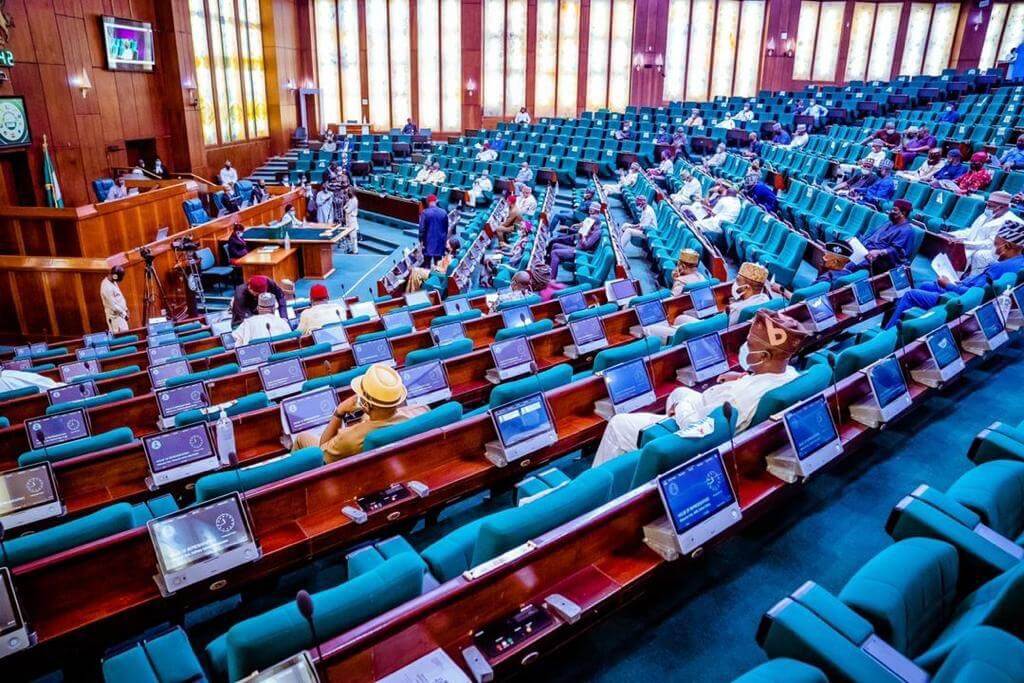
The House of Representatives on Thursday summoned top federal government officials to account for the persistent non-payment of contractors for completed projects, some dating back to October 2024, despite budgetary allocations in the 2024 Appropriation Act.
Those summoned include Central Bank Governor Yemi Cardoso, Finance and Economy Minister Wale Edun, Budget and Economic Planning Minister Atiku Bagudu, Accountant-General of the Federation Babatunde Ogunjimi, and Auditor-General for the Federation Shaakaa Chira.
The motion, raised as an urgent national issue by Delta lawmaker Ezechi Nnamdi, was unanimously adopted by the House.
During his address, Nnamdi highlighted the worsening financial plight of contractors across the country, noting that although funds had been approved in the 2024 budget, most Ministries, Departments, and Agencies (MDAs) had received less than half of their allocated capital releases.
“This neglect of verified financial obligations has led to abandoned projects, pushed contractors into economic hardship, and triggered negative economic consequences,” he said.
He further warned that if the situation remains unaddressed, it could trigger mass demonstrations, legal confrontations, and further decline in public infrastructure and service delivery.
Nnamdi also pointed out that the stalled payments have disrupted constituency projects and damaged public trust in the government’s commitment to fulfilling its responsibilities.
In response, the House directed the summoned officials to appear on Tuesday, May 13, 2025, to explain the delays and provide a concrete timeline for settling the outstanding debts.
Additionally, the House mandated its Committees on Public Accounts and Budget and Economic Planning to jointly investigate the bottlenecks delaying fund disbursement. The committees are expected to submit their findings and legislative recommendations within four weeks.
The investigation will also probe lapses in accountability among the MDAs involved in the payment process, signaling a deeper examination into the overall handling of public funds.





Comments
0 comments