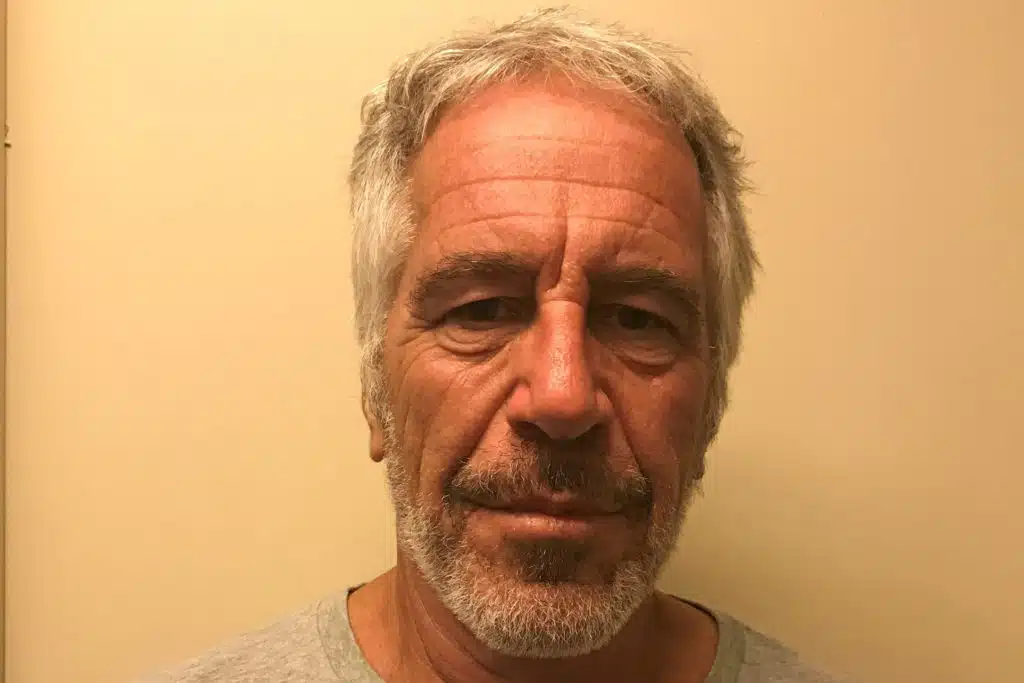
The disclosure, one of the largest in recent U.S. judicial history, includes emails, videos, images, and investigative records covering nearly two decades of federal and civil investigations into Epstein’s activities before his death in custody in August 2019.
The release has reignited global attention on Epstein’s network, alleged collaborators, and international ties, with several references to Nigeria identified in documents reviewed by The Whistler.
Who Was Jeffrey Epstein?
Epstein was a wealthy American financier known for moving within elite circles that included politicians, business figures, royalty, and celebrities. His private island, Little St. James in the U.S. Virgin Islands, became notorious as an alleged site of sexual abuse involving underage girls.
A Palm Beach investigation in 2005 identified dozens of victims, some reportedly as young as 14. Despite the allegations, Epstein secured a controversial plea deal in 2008 that allowed him to serve only 13 months in custody while avoiding federal prosecution.
After renewed scrutiny sparked by a Miami Herald investigation, Epstein was arrested again in July 2019 on federal sex-trafficking charges. He died by suicide in a Manhattan jail on August 10, 2019, at age 66, while awaiting trial.
Mentions of Nigerian Women
Some of the released emails contained troubling and inappropriate references to Nigerian women. One message described Nigerian women in crude and offensive terms, while another email from an unnamed woman referenced an event at the Italian embassy and mentioned Lagos.
In another exchange, Epstein requested background information about a woman, noting that she might travel to Nigeria and observe the country’s tech startup scene.
Epstein’s associate, Ghislaine Maxwell—later convicted of child sex trafficking—also referenced Abuja in two emails reviewed. Another email from a sender identified as Nina K mentioned a woman in Nigeria who was expected to return to Paris.
Epstein and the Gates Foundation’s Polio Work in Nigeria
Although Epstein held no official role within the Bill and Melinda Gates Foundation, the emails suggest he was involved in discussions around the foundation’s polio eradication programme in Nigeria.
Several exchanges show Epstein receiving updates and commenting on vaccination challenges, including concerns about violence against health workers in northern Nigeria.
He also communicated with figures such as Terje Rød-Larsen of the International Peace Institute, discussing development issues like poverty and disease. Some of Epstein’s remarks in these conversations were controversial and disturbing.
Interest in Nollywood
One email proposed an idea to “professionalize” the African film industry and referenced Nollywood as a growing movement lacking formal expertise at the time. The message suggested establishing a studio in Somaliland, to be called Somaliwood Studios, and pitching the concept to contacts in Los Angeles.
Nollywood remains one of the world’s largest film industries by volume, producing thousands of movies each year.
Business Dealings Linked to Nigeria
The documents also point to Epstein’s involvement in business discussions connected to Nigeria. One exchange involved talks about acquiring Bolloré Transport & Logistics Nigeria, with Dubai logistics executive Sultan Ahmed bin Sulayem and Nigerian-born investment adviser Jide Zeitlin included in the correspondence.
Sulayem highlighted Nigeria’s strategic port locations such as Badagry and Lekki and expressed interest in infrastructure development.
Other emails referenced a helicopter sale to a Nigerian buyer worth about $1.8 million, as well as a separate oil-related proposal that was described as suspicious by an American lawyer.
Another exchange appeared to involve Cecilia Varendh Månsson, CEO of Lagos-based startup TalentUp Africa, who reached out to Epstein while seeking seed investment of about $670,000. It remains unclear whether he invested.
The Dangote Mention
Africa’s richest man, Aliko Dangote, was also referenced in the files. In one email, Sulayem sent Epstein a photograph he took with Dangote, describing him as “the richest man in Nigeria.” Additional emails included similar photo attachments.
Other Nigeria-Related References
The documents also include messages suggesting Epstein pledged $1 million to support the International Peace Institute’s work in Nigeria.
In other communications, Epstein made derogatory remarks about Nigerians, while an associate noted the difficulties of doing business in the country, describing it as a place with “hungry hands” and complex negotiations.
Overall, the newly released files have expanded public scrutiny of Epstein’s international reach, including his interactions and dealings connected to Nigeria.