
Local Governance Reform: Making Autonomy Work
 Follow us on Google News
Local Governance Reform: Making Autonomy Work
By Emma Amaize, Clifford Ndujihe, Dayo Johnson, John Alechenu, Ibrahim Hassan-Wuyo, Peter Duru, Steve Oko, Rotimi Ojomoyela, James Ogunnaike, Adeola Badru, Luminous Jannamike, Sam Oyadongha, Demola Akinyemi, Jimitota Onoyume, Dan Abia, Akpokona Omaufiare, Ozioruva Aliu, Chioma Onuegbu, & Ochuko Akuopha……… CONTINUE READING
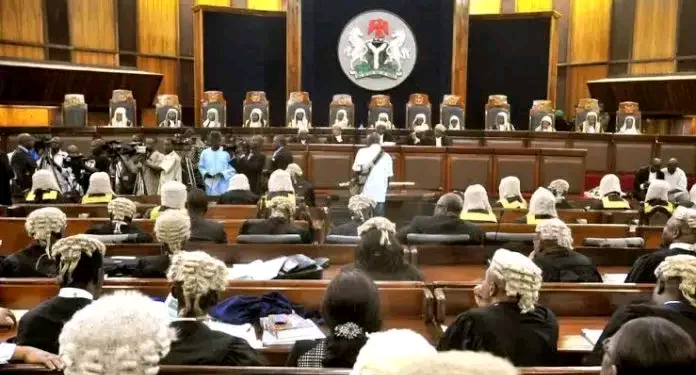
Following the Supreme Court’s landmark judgment on Thursday granting financial autonomy to Nigeria’s 774 local governments, stakeholders are advocating for measures to ensure effective implementation.
Stakeholders emphasize that local councils must receive their federal allocations directly and manage the funds prudently to benefit grassroots communities. They urge anti-graft agencies to prevent the emergence of new local “emperors” misappropriating funds. Concerns were also raised about the state and local government joint accounts and the need to prevent governors from coercing council chairmen into handing over funds.
**Governors’ Response**
Kwara State Governor and Chairman of the Nigeria Governors Forum, Mallam AbdulRahman AbdulRazaq, expressed the governors’ satisfaction with the Supreme Court’s decision. He noted that the ruling relieves governors of certain burdens and emphasized that local governments must now manage their affairs responsibly, particularly with the impending minimum wage.
**Northern Elders Forum’s (NEF) Perspective**
The NEF praised the Supreme Court’s decision, anticipating substantial grassroots development due to the decentralization of power and resources. They highlighted the potential for enhanced capacity in planning and executing local development projects, thus addressing long-standing inefficiencies and service delivery issues at the local level. NEF also called for accountability and citizen engagement to ensure effective governance.
**Middle Belt Forum (MBF) Outlook**
The MBF echoed similar sentiments, stating that the ruling would usher in meaningful development at the local government level and pave the way for free and fair elections conducted by the Independent National Electoral Commission (INEC). MBF President Dr. Bitrus Pogu described the judgment as a victory for democracy that would attract capable candidates for local government positions.
**Action Democratic Congress (ADC) Reaction**
ADC National Chairman Chief Ralphs Okey Nwosu celebrated the judgment as a catalyst for national development. He emphasized the importance of local government autonomy for grassroots development and urged political parties to ensure the conduct of local council elections.
**Former Senate President’s View**
Senator Adolphus Wabara, former Senate President and PDP BoT Chairman, lauded the judgment for restoring the three tiers of government and ensuring local governments can function properly. He stressed the need for strong monitoring institutions to prevent governors from manipulating council funds.
**Call for Strong Implementation Mechanisms**
Chief Chuku Wachuku, Pioneer Director General of the National Directorate of Employment, called for mechanisms to ensure the judgment’s implementation. He stressed the importance of releasing funds only to councils with democratically elected officials and urged measures to prevent governors from reclaiming funds.
**Accountability Emphasis**
Former Presidential Candidate Gbenga Olawepo-Hashim highlighted the need to strengthen accountability structures to ensure local government funds benefit citizens. He stressed the importance of developing community policing, transportation, and health services at the local level.
**IPAC’s Approval**
The Inter-Party Advisory Council (IPAC) praised the judgment for breaking state governors’ control over council funds. They called on the EFCC to monitor the funds to ensure proper utilization for public benefit.
**Broader Implications**
Senator Gbenga Daniel and other analysts emphasized the judgment’s potential to restore sanity to Nigeria’s political space and ensure grassroots democracy. They called for constitutional amendments to further strengthen local government autonomy and improve service delivery at the local level.
In summary, the Supreme Court judgment granting financial autonomy to local governments has been widely welcomed as a positive step toward decentralized governance and grassroots development. However, stakeholders stress the importance of strong implementation and accountability measures to ensure the funds are used effectively and for the intended purpose.







Comments
0 comments