
Middle East On Edge: Israel-Iran Showdown Sparks Global Alarm
 Follow us on Google News
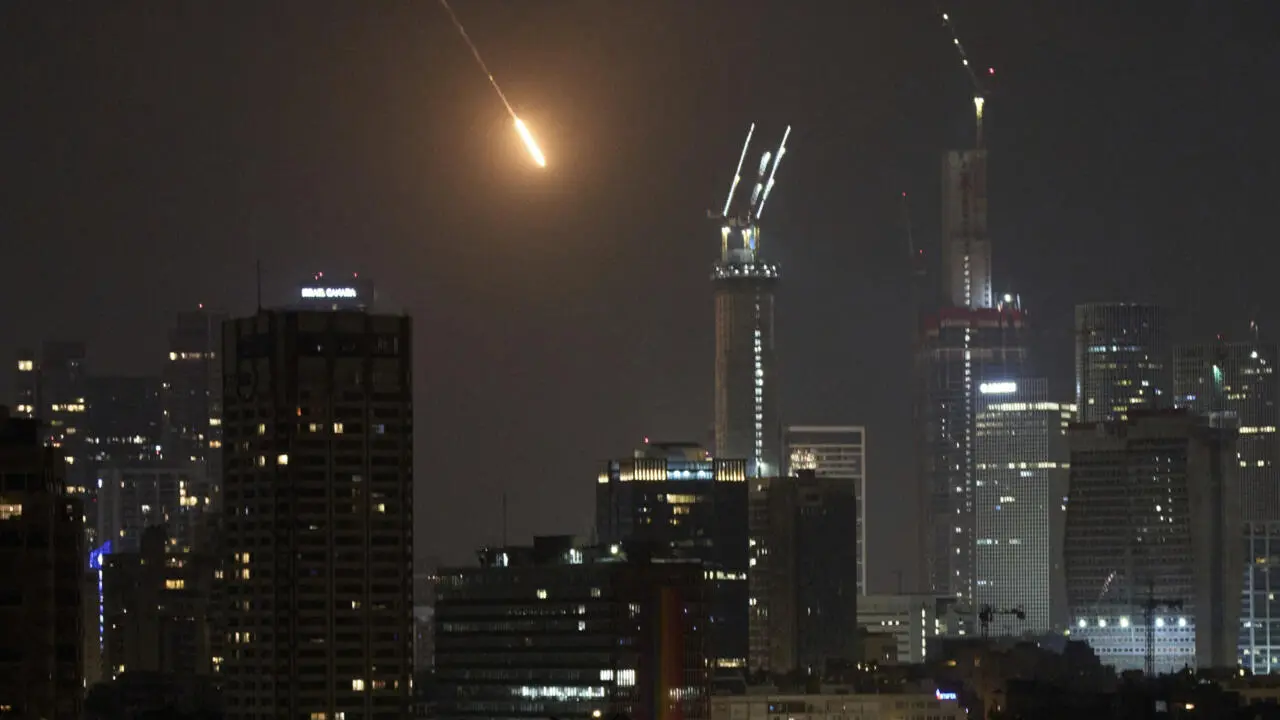
The escalating confrontation between Israel and Iran has triggered fresh international concern, as world leaders warn the situation may spiral into a broader regional conflict.
The tensions intensified on Friday when Israel launched a major air offensive targeting key Iranian sites, including nuclear and military facilities.
Among the locations struck were Iran’s nuclear complexes at Natanz, Fordo, and Isfahan, along with high-level military command centers.
The early-morning strikes—carried out on a Friday, a day of rest in Iran—reportedly resulted in the deaths of top Iranian military officials and nuclear scientists.
In retaliation, Iran labeled the attack a “declaration of war” and launched a barrage of missile strikes on Israeli cities, including Tel Aviv and the densely populated Gush Dan area.
According to Israeli media, dozens were injured, and at least one fatality was reported.
Key Developments:
Targeting Iran’s Nuclear Capabilities:
Israel carried out multiple missile strikes, particularly on the underground enrichment site in Natanz. Iran reported minimal damage at Fordo and Isfahan, and the International Atomic Energy Agency (IAEA) confirmed that radiation levels outside the impact zones remained stable.
Senior Leadership Losses in Iran:
Iran acknowledged the deaths of several high-ranking military officials, including Revolutionary Guards commander Hossein Salami, military chief Mohammad Bagheri, and aerospace commander Amirali Hajizadeh, a central figure in Iran’s missile development efforts.
Iran’s Retaliation:
Iran responded with over 100 drones and ballistic missiles aimed at Israeli targets. Israeli defense systems intercepted many of the projectiles, but missile impacts still caused injuries and prompted repeated air raid alerts across central Israel.
Regional Airspace Shutdowns:
Airspace over Iran, Iraq, Jordan, Syria, and Israel was closed amid rising threats. Several airlines suspended flights due to safety concerns.
Internet Blackouts and Domestic Security Measures:
Iran imposed widespread internet restrictions, citing national security. Officials indicated that full services would resume once stability is restored.
Global and Diplomatic Responses:
The UN Security Council held an emergency session, during which Secretary-General António Guterres urged restraint and called for immediate dialogue. The IAEA also scheduled an emergency meeting for Monday.
U.S. Stance:
While reports suggest the U.S. had prior knowledge of the Israeli strike, former President Donald Trump denied direct involvement. However, he issued a stark warning to Tehran, stating that future Israeli actions “could be even more brutal,” and urged Iran to step back.
Nuclear Program Concerns:
Iran maintains that its nuclear efforts are for peaceful purposes, although it continues uranium enrichment at 60%—far above the limits set by the now-defunct 2015 nuclear agreement. Planned nuclear negotiations in Oman have been canceled due to the ongoing violence.
What Lies Ahead?
With over 200 Iranian sites reportedly struck and retaliatory attacks ongoing, fears are growing that regional players could soon be drawn into the fray. Analysts also caution that oil markets could be impacted, especially if the conflict threatens shipping through the Strait of Hormuz—a key artery for global crude exports.
Despite urgent calls for de-escalation from global powers, both Israel and Iran show no signs of retreating, keeping the region—and the world—on edge.






Comments
0 comments