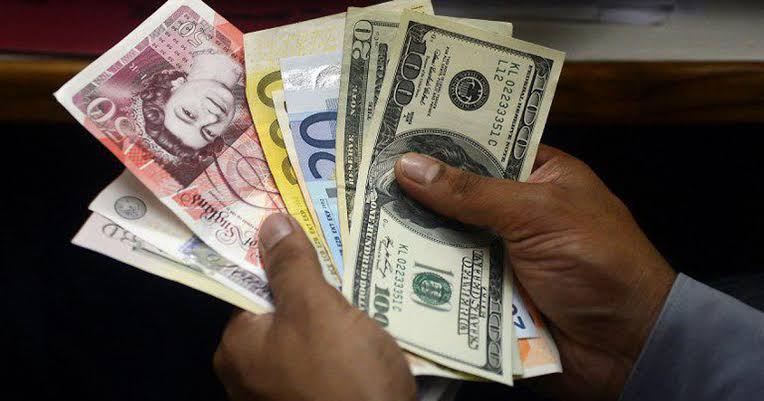
Nigeria Customs Adjusts Foreign Exchange Rate For Import DutiesIn a recent development, the Nigeria Customs Service (NCS) has made modifications to its foreign exchange (FX) rate for tariffs and duties, reducing it to ₦1,480 per dollar. This adjustment, now reflected on the federal government’s single-window trade portal, marks a notable shift aimed at streamlining trade processes and fostering economic stability.
The revised exchange rate signifies a 3.28 percent decrease from the previous rate of ₦1,530/$ observed on May 17th. Notably, this new rate aligns closely with the official FX rate of ₦1,510/$ recorded at the close of trading on May 24th, underscoring efforts to maintain consistency across currency valuations.
Customs operations typically adhere to FX rates recommended by the Central Bank of Nigeria (CBN), reflecting ongoing market dynamics and regulatory directives. The decision to adjust the exchange rate underscores a commitment to facilitating trade while ensuring compliance with established fiscal policies.
Against the backdrop of fluctuating currency values, stakeholders have emphasized the importance of establishing a stable exchange rate framework to mitigate inflationary pressures and enhance economic predictability. This sentiment was echoed by Muda Yusuf, Director-General of the Centre for the Promotion of Private Enterprise (CPPE), who advocated for quarterly exchange rate assessments ranging from ₦800/$ to ₦1000/$ for import duty evaluations.
In parallel, the Nigerian Naira exhibited significant appreciation against the US dollar in the official foreign exchange market, closing at ₦1,339.33/$. This positive trend reflects efforts to bolster currency stability and reinforce investor confidence in the domestic market.
However, despite gains in the official market, the Naira experienced a marginal depreciation in the parallel (black) market, trading at ₦1,520 to the dollar. This variance underscores the complexities of currency dynamics and underscores the need for comprehensive policy interventions to address market volatility effectively.
Amidst evolving market conditions, the Central Bank of Nigeria (CBN) remains vigilant, attributing recent fluctuations to seasonal demand patterns and market dynamics. The implementation of prudent monetary measures and regulatory oversight seeks to safeguard macroeconomic stability and promote sustainable growth in the Nigerian economy.
As stakeholders navigate these developments, continued collaboration between regulatory authorities, market participants, and policymakers will be essential to foster resilience and promote inclusive economic growth. By prioritizing transparency, accountability, and effective governance, Nigeria can harness its economic potential and chart a course towards prosperity for all its citizens.
In conclusion, the adjustment of the foreign exchange rate for import duties underscores Nigeria’s commitment to fostering a conducive business environment and enhancing trade facilitation mechanisms. With concerted efforts towards economic reform and policy coherence, Nigeria can navigate global challenges and emerge stronger on the path towards sustainable development.
Published by Caleb Alfred