
Nigerians Reeling As Food Prices Hit New Highs—Check This Week’s Shocking Market Rates
 Follow us on Google News
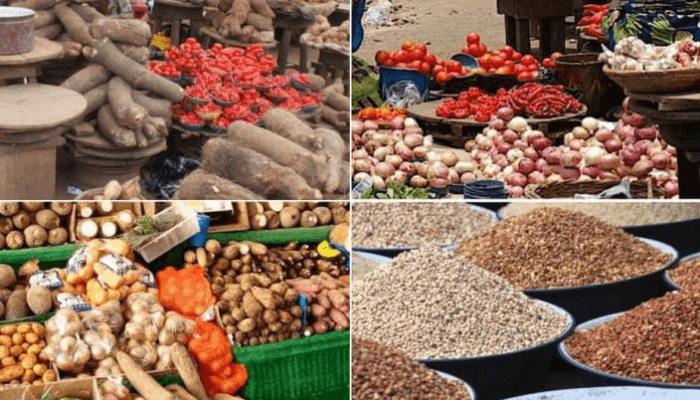
As of February 7, 2025, Nigeria continues to face sharp increases in the prices of staple foods like rice, beans, and tomatoes, exacerbating the strain on household budgets nationwide.
The rising costs are fueled by multiple factors, including soaring inflation, currency devaluation, and disruptions in agricultural production due to security issues and unfavorable weather conditions.
Current Food Prices:
- Rice: A 50kg bag now sells for between ₦75,000 and ₦90,000.
- Beans: A 50kg bag ranges from ₦78,000 to ₦85,000.
- Tomatoes: A basket is priced at approximately ₦55,000.
- Yam: Each tuber costs between ₦3,000 and ₦4,000, depending on size and quality.
- Palm Oil: A 25-litre container is selling for about ₦50,000.
- Chicken: 1kg of chicken meat costs around ₦5,000.
Key Drivers Behind the Surge in Food Prices:
- Inflation: Nigeria’s inflation rate hit a near 30-year high of 34.8% in December 2024, with food inflation peaking at 39.84%, largely driven by the soaring cost of basic staples.
- Currency Devaluation: The weakening of the Naira has pushed up the cost of imported goods and agricultural inputs, further inflating food prices.
- Agricultural Disruptions: Ongoing insecurity in farming regions and adverse weather conditions, including flooding, have severely impacted agricultural output, leading to supply shortages and reduced crop yields.
Government Response and Future Outlook:
To combat rising food costs, the Nigerian government has introduced tax reform proposals aimed at curbing inflation. These include plans to nearly double the value-added tax (VAT) to 12.5% by 2026 while exempting essential goods like food and medicine to ease the burden on households.
Despite these measures, the continuous rise in food prices remains a major challenge for many Nigerian families, especially low-income earners who spend a significant portion of their income on food.







Comments
0 comments