
Pending Legislative Agenda: Significant Bills Before The 10th National Assembly
 Follow us on Google News
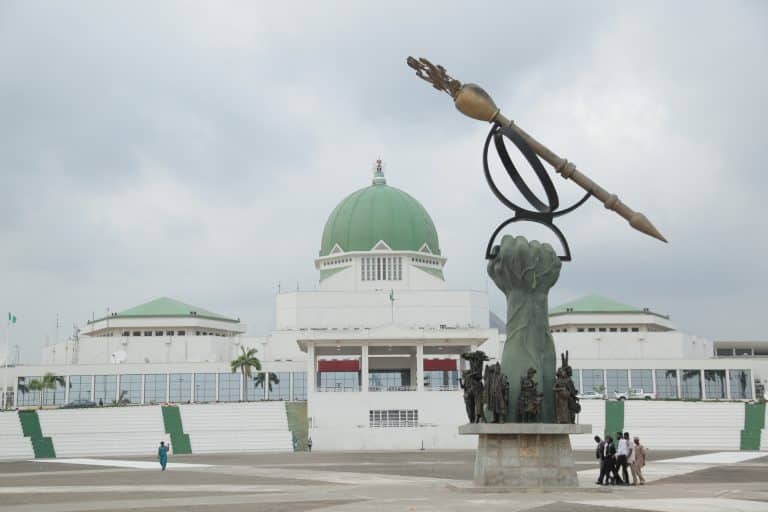
Pending Legislative Agenda: Significant Bills Before The 10th National Assembly
The 10th National Assembly, since its inauguration in June 2023, has passed several significant bills. However, some key bills, especially those that are sensitive or contentious, remain pending as they await public hearings and legislative approval……..CONTINUE READING
Naija News reports that the National Assembly recently had to step in concerning a controversial proposal by the Federal Government to set an age limit of 18 years for students wishing to take the West Africa Senior Secondary School Certificate Examination (WASSCE). This proposal, introduced by the Minister of Education, Professor Tahir Mamman, has faced strong opposition from various stakeholders, including former Vice President Atiku Abubakar and numerous civil society organizations (CSOs).
Critics have described the policy as “outdated and oppressive,” urging the government to suspend its implementation and engage in discussions with education sector stakeholders to assess its implications. In response to the public outcry, the Senate has announced plans to hold a public hearing on the matter once it is presented to the senators.
As federal lawmakers prepare to reconvene after their recess on September 17, this report highlights the major bills currently before the 10th National Assembly.
### **1. Bill on a Six-year Single Term for Presidents and Governors**
Among the key bills is a proposal to amend the 1999 Constitution to establish a single six-year term for the president, state governors, and local government chairmen. This bill, titled the “Constitution of the Federal Republic of Nigeria 1999 (Alteration) Bill 2024,” is currently under consideration in the House of Representatives. It was introduced by Rep. Ikenga Imo Ugochinyere, with the support of 50 other lawmakers.
The bill seeks to amend several sections of the Constitution, including a change from a four-year to a six-year single term for the presidency. It also includes provisions for time served before re-run elections and during annulled elections to count as part of the six-year term. The bill has sparked debate among lawmakers and political analysts, with some arguing it could reduce the disruptions caused by frequent elections, while others warn it could lead to an excessive concentration of power.
### **2. Bills on Parliamentary System**
Three bills aimed at transitioning Nigeria from a presidential to a parliamentary system of governance are also being considered in the House of Representatives. Sponsored by Minority Leader Kingsley Chinda and 59 other representatives, these bills propose a shift to a system where the Prime Minister would be the head of government, while the president would serve in a ceremonial role.
Advocates of these bills have been engaging with key stakeholders, including former President Olusegun Obasanjo and former Head of State Gen. Ibrahim Babangida, to assess the benefits of adopting a parliamentary system. They argue that this model could enhance accountability and efficiency in governance. However, the bills face significant challenges, as many Nigerians are more familiar with the presidential system, and there are concerns about the feasibility of such a substantial shift.
### **3. Police Act Amendment Bill**
The “Nigeria Police Act (Amendment) Bill, 2024 (HB 1461)” is another critical piece of legislation under review in the House. Introduced by Speaker Abbas Tajuddeen and Representative Abubakar Makki Yalleman, this bill proposes extending the tenure of police personnel to retain experienced officers, reduce training and recruitment costs, and boost morale.
The bill passed its first and second readings on May 21, 2024, and was referred to the House Committee on Police Affairs for further consideration. If passed, it could address the shortage of experienced police personnel, a persistent issue raised by security experts and the public.
### **4. Ranches Commission Bill**
The “National Ranches Commission Establishment Bill 2024,” sponsored by Senator Titus Tartenger Zam, seeks to create ranches for herders within their states of origin. The bill, which includes stringent regulations such as fines and imprisonment for non-compliance, has sparked significant resistance from northern senators concerned about its impact on traditional nomadic practices. Despite this, the bill passed its second reading in the Senate on June 5.
Senate President Godswill Akpabio has promised a thorough public hearing to gather feedback from all relevant stakeholders, including cattle herders and state governments, though a date has yet to be announced.
### **5. NIMC Act Repeal Bill**
A bill to repeal and replace the National Identity Management Commission Act of 2017 is also pending a public hearing in the Senate. The “National Identity Management Commission (Repeal and Enactment) Bill 2024 (SB. 472),” sponsored by Deputy Senate President Barau I. Jibrin, aims to broaden registration criteria to include all residents of Nigeria, not just citizens, and establish a comprehensive national identity database.
Supporters believe the bill is essential for enhancing national planning and security, while critics express concerns about the potential security risks of expanding eligibility.
### **6. Bill Seeking Special Seats for Female Legislators**
The “Constitution Alteration Bill,” which seeks to create special seats for women in the National and State Houses of Assembly, is also under consideration. Led by Deputy Speaker Benjamin Kalu and co-sponsored by twelve others, the bill aims to introduce one extra legislative seat per state and the Federal Capital Territory (FCT) exclusively for female candidates.
This bill, reintroduced in the 10th Assembly after being withdrawn in the 9th, seeks to address the under-representation of women in Nigerian politics. However, it has faced opposition from those who argue for initiatives that promote equal opportunities rather than gender-specific seats.
### **7. Bill on Diaspora Voting**
A proposed bill on diaspora voting, which has passed its second reading in the House, represents a significant development in expanding the electorate to include Nigerians living abroad. Introduced by Speaker Abbas Tajuddeen and Representative Sadiq Ango Abdullahi, the bill affirms the voting rights of Nigerian citizens residing outside the country and aims to establish a framework for their participation in elections.
If enacted, this legislation could significantly impact future elections by broadening voter inclusivity and involving millions of Nigerians overseas in the democratic process.
These bills are among the most critical legislative proposals currently before the 10th National Assembly, with the potential to bring about significant changes in Nigeria’s political and social landscape.






Comments
0 comments