
Petrol War Erupts! Importers Undercut Dangote Refinery With Sh*cking Price Slash
 Follow us on Google News
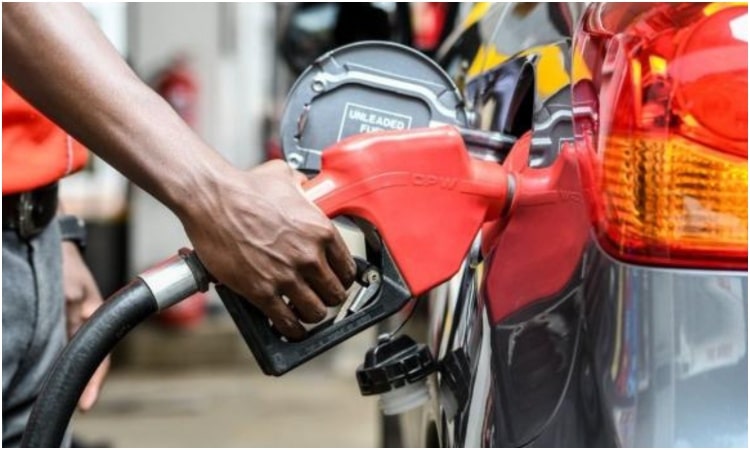
Petroleum importers have slashed pump prices below those offered by the Dangote Petroleum Refinery, heating up competition in Nigeria’s downstream oil sector.
This price war intensifies as Alhaji Aliko Dangote, President of the Dangote Group, renewed his appeal for the Federal Government to ban fuel importation in order to protect domestic refining efforts.
According to findings by The Punch, Dangote’s distributors, including MRS and Heyden, were selling petrol at ₦865 to ₦875 per litre in Lagos and Ogun States. However, some independent stations have gone lower—SGR in Ogun, for instance, was dispensing fuel at ₦847 per litre as of Tuesday.
Sources within the industry confirmed that importers are lowering their ex-depot rates to stay competitive. While Dangote’s refinery sold at ₦820 per litre, some depots dropped their prices to as low as ₦815. Data from Petroleumprice.ng listed marketers like Aiteo and Menj among those selling below Dangote’s rate, compared to NNPC’s ₦825 benchmark.
Chinedu Ukadike, National Publicity Secretary of the Independent Petroleum Marketers Association of Nigeria (IPMAN), confirmed the trend:
“Depot owners are dropping prices—some to ₦815 or ₦817—while Dangote still sells at ₦820. NNPC hasn’t adjusted yet. This is the advantage of market liberalisation, and it’s why we believe no one should be banned from importing fuel.”
Dangote has frequently condemned fuel importation, warning it harms local producers and enables “dumping” of subsidised, often substandard products that wouldn’t be allowed in Western countries.
“We’re now seeing a flood of cheap, sometimes toxic fuel… undermining local production,” he said recently. He also claimed discounted Russian petroleum is being rerouted to Africa, distorting the market and making prices unsustainably low.
“In Nigeria, fuel is now about 60 cents per litre—cheaper than even in Saudi Arabia, which refines its own crude,” Dangote argued at a recent regulatory forum in Abuja. He urged African governments to emulate the U.S., Canada, and the EU in shielding domestic refineries.
However, petroleum marketers have pushed back, saying market liberalisation fosters fair pricing and benefits consumers. Ukadike noted, “Nobody should be barred from importing fuel. What we need is active local refining and good regulation to keep prices fair.”





Comments
0 comments