
Rufai Sparks Debate With Scathing Swipe At Presidential Hopefuls
 Follow us on Google News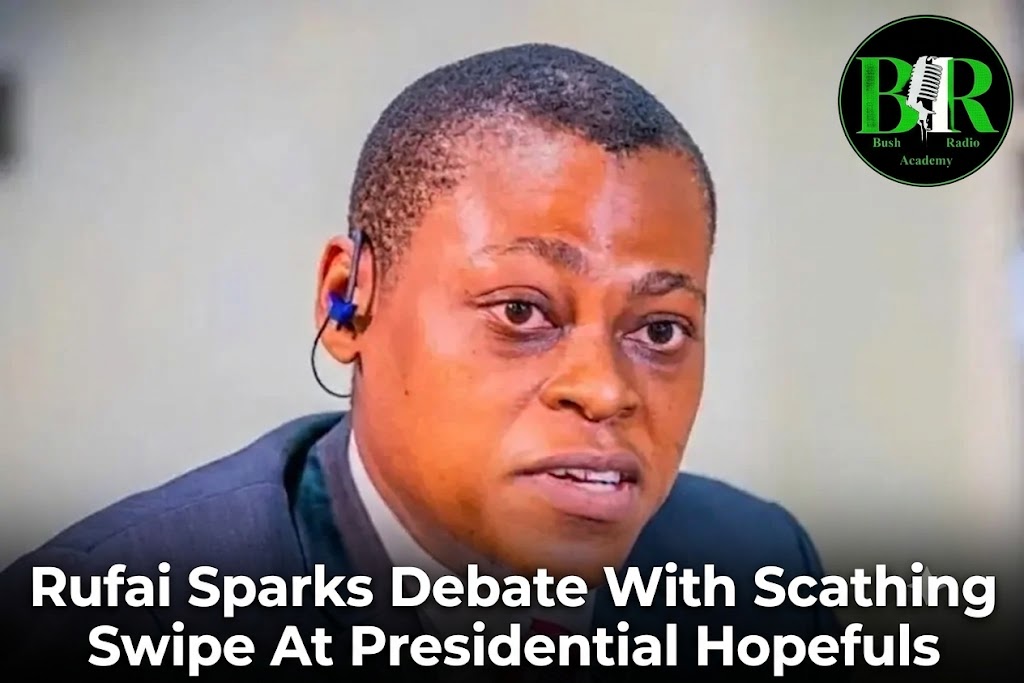
Arise Television presenter Rufai Oseni has raised concerns over the educational information provided by some presidential candidates, questioning why certain nomination documents do not contain details of their primary school education.
Oseni made the remarks in a Facebook post on Sunday after the Independent National Electoral Commission (INEC) published the personal particulars and nomination documents of candidates contesting the 2027 presidential election.
“People who can’t tell you their primary school want to be your president, and Nigerians will vote them,” the broadcaster wrote.
His comments come amid increased public attention on the academic qualifications, affidavits and other statutory documents submitted by presidential aspirants to the electoral commission.
As part of the electoral process, INEC recently displayed the nomination forms and personal particulars of all presidential candidates for public inspection.
The published documents contain candidates’ educational backgrounds, academic qualifications and other information required under the provisions of the Electoral Act.
A review of the documents submitted by the All Progressives Congress (APC) presidential candidate, President Bola Tinubu, showed that he listed a Bachelor of Science degree from Chicago State University as his highest educational qualification.
However, the sections designated for the years of his primary and secondary school education reportedly contained the entry “0000,” a detail that has generated public debate and calls for clarification.
Obi, Atiku Provide Earlier Educational Records
In contrast, the nomination papers submitted by the Nigeria Democratic Congress (NDC) presidential candidate, Peter Obi, and the African Democratic Congress (ADC) candidate, Atiku Abubakar, reportedly included educational histories dating back to their primary school years.
Oseni’s remarks appeared to highlight the differences in the level of information disclosed by the candidates, arguing that Nigerians should carefully scrutinise the official records of anyone seeking the country’s highest elective office.
INEC has stated that the publication of candidates’ personal particulars forms part of the legal process and provides members of the public with an opportunity to examine the documents.
The commission also noted that, in accordance with the Electoral Act, any individual who believes information contained in a candidate’s affidavit is false may seek legal redress through the courts.



Comments
0 comments