
Sheikh Gumi Reveals Shocking Reason Behind Saudi Arabia Ban From 2025 Hajj
 Follow us on Google News
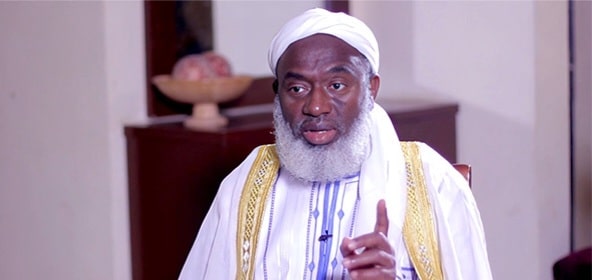
Sheikh Ahmad Gumi, a well-known Islamic cleric based in Kaduna, has provided insight into why he was recently barred from participating in the 2025 Hajj pilgrimage. Despite holding a valid visa, Saudi authorities reportedly revoked his permission to enter the kingdom.
After returning to Nigeria, Gumi confirmed the ban in a social media post on Monday, attributing it to Saudi Arabia’s unease with his outspoken political opinions.
“For reasons that are clear — my views on global politics — the Saudi government felt uncomfortable with my presence at the Hajj, even after granting a visa,” he wrote, expressing gratitude to Nigerian officials who promised to engage with their Saudi counterparts. “This is the true value of our cherished freedom and democracy.”
Though Saudi officials have yet to provide an official explanation for the ban, an investigation by Daily Post suggests that Gumi’s exclusion may be linked to his frequent criticisms of the Saudi leadership, especially their move away from traditional Islamic governance toward modernization and stronger ties with Western powers.
In an interview with Daily Post, Sheikh Gumi described Saudi Arabia as a “police state” that restricts freedom of expression.
“Saudi Arabia is a place where freedom of speech is suppressed. Here in Nigeria, we were raised in freedom, and I deeply value that,” he said.
“When mistakes happen in Saudi Arabia, people are expected to remain silent. This contradicts Islamic teachings, which do not permit silence in the face of wrongdoing.”
When asked if he fears future bans from performing Hajj, Gumi responded, “Hajj is not mandatory for me. Even Sheikh Usman Dan Fodio never performed Hajj, yet he contributed immensely to Islam.”
He emphasized that his criticisms aim to correct what he views as deviations from Islamic principles by Saudi leadership.
“We are only trying to help them rectify their errors, just as they seek to reform their society. This is a mistake on their part, but let it be known: anyone who tries to block people from visiting the Grand Mosque in Mecca will not prevail.”
Gumi acknowledged that his recent sermons, which condemned Saudi Arabia’s alignment with Western powers and their silence on Palestine, may have triggered the ban.
“Yes, that is true. Standing for truth means you must be ready to endure opposition. Truth is not always welcomed,” he said.
He warned that Saudi Arabia’s modernization push risks “self-destruction,” arguing that Muslim countries should not side with the same Western powers that once betrayed the Arab world during the Ottoman Empire’s fall.
“How can those who fund and arm oppression be honored, while Muslims are ignored?” he questioned.
“We will not stop speaking out until there is change. If they refuse, we will keep speaking.”
A Rare Rift in Nigeria-Saudi Relations
This incident has ignited debate on social media and among Islamic scholars in northern Nigeria, where Saudi Arabia holds significant religious sway. The kingdom has historically provided scholarships to thousands of clerics and students from the region, many of whom later support Saudi policies informally.
Sheikh Gumi, however, stands out as a rare and outspoken critic despite his background in Saudi religious education — marking a notable break from the usual support within the region’s religious establishment.







Comments
0 comments