
Stop Building More Schools! Education Minister Slams National Assembly Over Misplaced Priorities
 Follow us on Google News
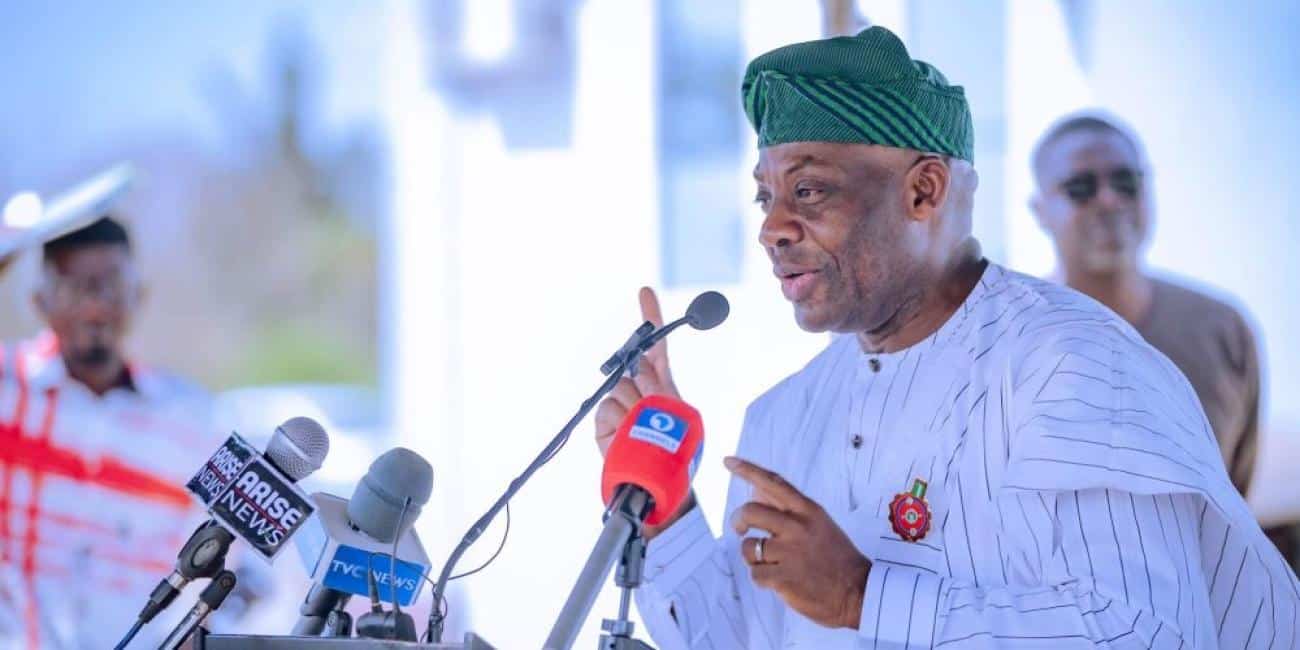
The Minister of Education, Olatunji Alausa, has urged the National Assembly to prioritize adequate funding for existing educational institutions over the establishment of new ones.
Alausa made this appeal in a memorandum presented during a public hearing on Thursday in Abuja. The session was organized by the House of Representatives Committee on Federal Polytechnics and Higher Technical Education.
Lawmakers at the hearing deliberated on three separate bills:
-
A Bill for an Act to Establish the Federal College of Entrepreneurship and Skills Acquisition, Hawul Local Government Area, Borno State (HB.1797) – aimed at offering full-time programs in technology, applied sciences, arts, social sciences, humanities, and management.
-
A Bill to Amend Section 3(2)(b), the Second Schedule, and Section 31 of the Federal Polytechnics Act, Cap F17, Laws of the Federation of Nigeria, 2004 (HB.1413).
-
A Bill to Amend the Federal Polytechnics Act, Cap F17, to review the functions of polytechnics (HB.2114).
Alausa opposed the first bill, noting that the federal government’s policy stipulates the establishment of only one federal polytechnic per state. He emphasized that with the exception of Sokoto State and the Federal Capital Territory, all states have met this criterion.
Given the limited fiscal space, the minister advised lawmakers to focus resources on upgrading existing institutions rather than spreading funds thin by creating new ones.
He stated, “The Federal Ministry of Education has broadened opportunities for setting up private tertiary institutions. We encourage states and individuals to explore these avenues to contribute to national educational growth.”
As a result of ongoing budget constraints, Alausa recommended shelving the proposed entrepreneurship college in Borno State.
Regarding the two proposed amendments to the Federal Polytechnics Act, Alausa expressed general support but opposed a clause recommending that representatives from the National Board for Technical Education (NBTE) and the Manufacturers Association of Nigeria (MAN) be appointed to polytechnic governing councils.
“Though both organisations are important stakeholders, their primary roles do not align with the governance responsibilities of polytechnics,” he argued. “NBTE is a regulatory body, while MAN focuses on industrial advocacy.”
However, Rep. Usman Balami (PDP–Borno), the sponsor of the bill for the proposed entrepreneurship college, defended the initiative. He cited high levels of insecurity and unemployment in Borno as a compelling reason for its creation.
“This institution will provide training that equips students with practical skills tailored to modern job market demands,” Balami said. “It will also foster innovation, promote entrepreneurship, and support local economic development.”
Committee Chairman, Rep. Fuad Laguda (APC–Lagos), acknowledged the broad consensus on the importance of vocational and skills-based education in addressing unemployment. He encouraged stakeholders to contribute thoughtful perspectives, assuring that all input would be carefully reviewed.
“Once passed, these bills will expand access to technical and vocational education across the nation,” Laguda added, while commending the Speaker and House leadership for their support and trust in the committee’s work.







Comments
0 comments