
Tears Or Resignation? Lawmaker Blasts WAEC Boss Over Exam Failures
 Follow us on Google News
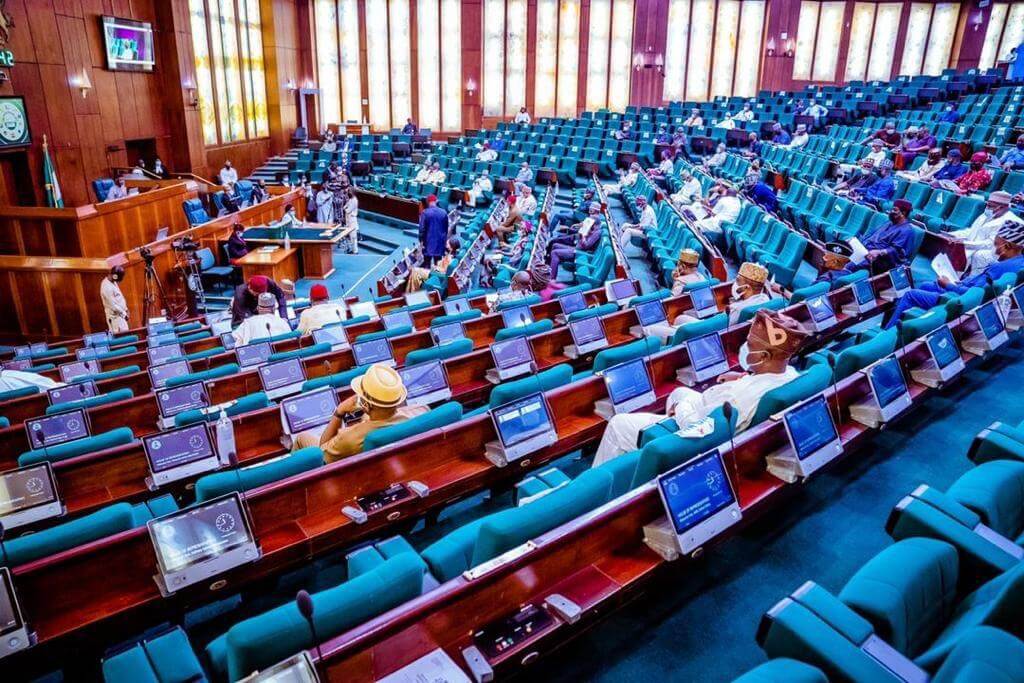
The House of Representatives Committee on Basic Education and Examination Bodies has harshly criticised the West African Examinations Council (WAEC) for widespread irregularities and operational failures during the 2025 Senior Secondary School Certificate Examination (SSCE).
At a fact-finding session held on Monday at the National Assembly, lawmakers condemned WAEC’s conduct, citing numerous cases of mismanagement, logistical chaos, and security lapses that have undermined public confidence in the nation’s examination system.
The outrage was triggered by reports of serious disruptions during the ongoing exams—ranging from late-night sessions to dismal examination conditions and poor coordination. Stakeholders, including parents, students, and education experts, have raised alarms, calling for sweeping reforms to salvage the credibility of the examination process.
Chairman of the committee, Hon. Oforji Oboku (PDP, Yenagoa/Opokuma, Bayelsa State), opened the session with a sharp rebuke of WAEC’s performance. He praised his colleagues for prioritising the oversight hearing despite the National Assembly being on recess.
“This session underscores our collective resolve to reclaim dignity and trust in our examination system,” Oboku declared. “To every parent, guardian, and student affected by the chaos of the last exam cycle, we offer our deepest apologies. We are determined to ensure this never repeats.”
Oboku recounted disturbing revelations from a previous meeting with WAEC on May 30, including reports of students forced to write exams under extreme conditions—some as late as 11 p.m., relying on torchlight.
“In 2025, students should not be writing exams in the dead of night under torchlight. That’s not just logistical failure—it’s leadership failure,” he said, describing the situation as “shocking and unacceptable.”
He stressed that the investigation was not intended to witch-hunt WAEC, but to uncover the root causes of its repeated failures and ensure those responsible are held accountable.
Tempers flared as lawmakers expressed frustration at what they described as WAEC’s habitual negligence. At one point, an unidentified lawmaker told WAEC’s leadership bluntly: “Admit your failure to the Nigerian people. If you need to cry, go ahead. But when you’re done, resign.”
Particularly criticised was WAEC’s Head, Dr. Amos Dangut, for claiming the council plans to implement computer-based testing (CBT) across Nigeria by 2026.
“You speak of CBT readiness, yet many local governments don’t even have one functioning CBT centre. That’s like owning a car with no roads—it’s fantasy, not feasibility,” Oboku said.
The committee also called for a national education summit to assess the condition of secondary school infrastructure nationwide and address the reputational damage Nigeria has suffered due to WAEC’s shortcomings.
While Dr. Dangut attributed many of the issues to insecurity and logistical constraints, lawmakers repeatedly cut him off, rejecting his explanations as inadequate.
The session concluded with a resolution mandating WAEC to submit a full audit of its digital infrastructure, particularly in underserved areas, along with a detailed CBT implementation plan. The council was also instructed to turn over all internal reports on exam paper leaks and its operational protocols to the National Assembly.
In his closing remarks, Oboku emphasised the urgent need for systemic reform: “This is a watershed moment. We must demand competence, transparency, and genuine reform. Education is too critical to be left to trial and error. The future of our children—and our nation—is on the line.”







Comments
0 comments