
Tension Boils Over: IG, State Speakers In Heated Clash Over State Police
 Follow us on Google News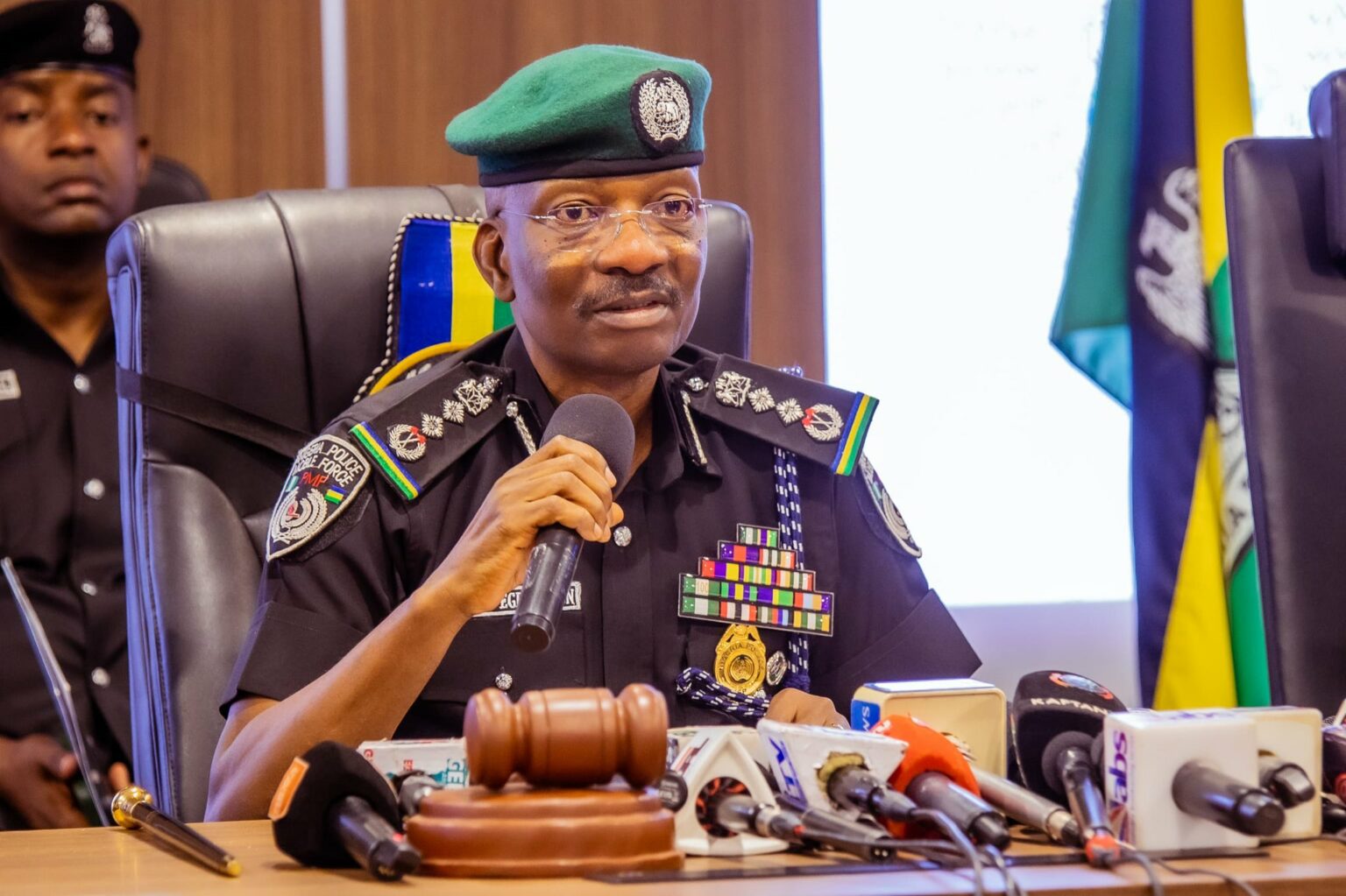
The Inspector General of Police, Kayode Egbetokun, and the Conference of Speakers of State Houses of Assembly voiced opposing views on Monday regarding the push for the establishment of state police.
While Egbetokun maintained his long-held stance that enhanced funding—not decentralization—is what the Nigeria Police Force needs to effectively address the nation’s security challenges, the Chairman of the Conference of Speakers, Debo Ogundoyin, advocated for a multi-tiered policing system, similar to models used in other countries.
Both leaders aired their perspectives during a legislative dialogue on constitutional security reforms, held in Abuja. The event, themed “Nigeria’s Peace and Security: The Constitutional Imperative,” was convened by the House of Representatives Committee on Constitution Review, in partnership with the Office of the National Security Adviser.
Egbetokun cited Section 214(1) of the 1999 Constitution (as amended), which establishes the Nigeria Police Force as the sole law enforcement body for the federation, prohibiting the formation of any other police entity within the country. He also referenced Section 215(1), which mandates the appointment of the Inspector General of Police by the President, upon recommendation by the Nigeria Police Council.
“These provisions highlight the centralized nature of policing in Nigeria and the operational authority vested in the Inspector General of Police, under the oversight of the President and the Police Council,” Egbetokun explained.
He acknowledged the ongoing debate on amending the constitution to permit state policing, including a proposed House bill seeking legislative approval for it.
“The Nigeria Police Force understands the reasoning behind the push for state police—such as improving responsiveness at the community level, faster intervention, and localized law enforcement,” he said. “However, given Nigeria’s current political, institutional, and socio-economic realities, we believe the country is not yet ready to delegate police powers to state governments.”
Egbetokun emphasized the complexity of Nigeria’s security landscape, pointing to insurgency in the North-East, banditry and kidnapping in the North-West and North-Central, secessionist violence in the South-East, and piracy in the Gulf of Guinea.
“These issues expose not just gaps in our security infrastructure, but deeper flaws in our constitutional framework and inter-agency coordination,” he stated, adding that certain constitutional oversights continue to hinder the effectiveness of the police and other security agencies.


Comments
0 comments