
Trump’s Visa Crackdown: Nigeria Punished For Refusing U.S. Asylum Seekers
 Follow us on Google News
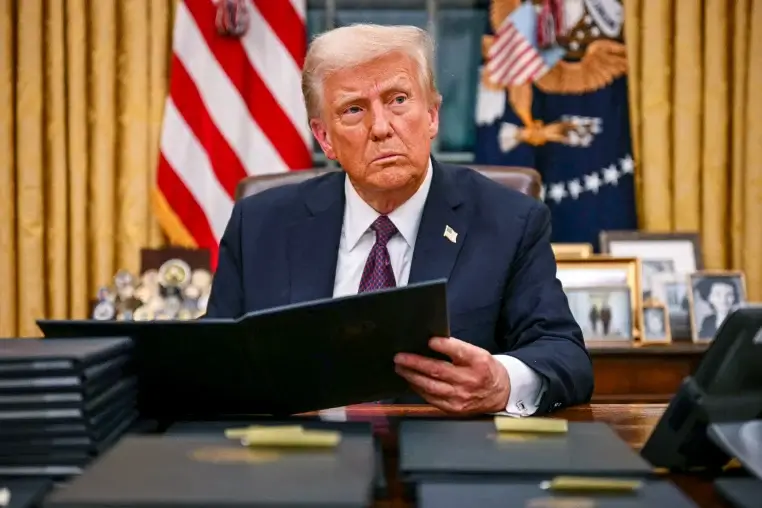
The recent U.S. visa restrictions imposed on Nigerian citizens are reportedly linked to Nigeria’s refusal to accept deported asylum seekers from the United States.
According to diplomatic sources cited by The Cable, the decision stems from broader immigration demands made by President Donald Trump’s administration—demands that Nigeria declined. In response, Washington has introduced subtle diplomatic penalties, including slashing the validity of U.S. visas for Nigerians to a single three-month entry.
Since returning to the White House, Trump has reinstated a tough immigration stance. Part of this approach includes pressuring countries to host asylum seekers who are being deported from the U.S. while their lengthy application processes—often spanning up to seven years—are ongoing.
While nations such as Rwanda, El Salvador, South Sudan, and Panama have agreed to such arrangements, Nigeria has stood firm in its refusal. Diplomatic insiders confirm that Abuja rejected Washington’s request to receive non-citizen deportees, many of whom still have pending asylum applications and, in some cases, criminal convictions.
A diplomatic source told The Cable:
“Talks were held, but Nigeria was unwilling to take in individuals who are not Nigerian nationals, particularly with pending asylum cases.”
On Tuesday, the U.S. Embassy in Nigeria announced sweeping changes to its visa policy for Nigerians. Non-immigrant and non-diplomatic visa durations have been reduced, with the embassy citing Nigeria’s failure to meet U.S. reciprocity standards.
Contrary to speculation circulating on social media, Nigeria continues to issue five-year visas to American citizens. Depending on visa type and entry class, physical visas still range from three months to five years in validity.
Nigeria’s new e-visa system, launched in March, offers a 90-day single-entry visa and is available to all non-ECOWAS nationals, including U.S. citizens. However, the U.S. does not offer Nigerian nationals a similar electronic visa option—raising questions about equitable treatment.
Criminal Database Access Among U.S. Demands
In addition to the asylum issue, the U.S. has also asked for access to Nigeria’s criminal records, aiming to identify and deport Nigerians with prior convictions. Another U.S. request was for Nigeria to allow Americans to apply online for five-year visas without visiting an embassy. Nigeria reportedly declined both, citing concerns over unequal reciprocity.
These tensions align with President Trump’s known negotiation strategy, described in his book The Art of the Deal: exert maximum pressure upfront—often through punitive measures—then offer concessions once key demands are met.
Nigeria’s recent overtures toward BRICS—a coalition Trump views with suspicion—have also fueled diplomatic friction. This was underscored on Wednesday, when Nigeria was notably absent from a White House meeting with African leaders focused on economic cooperation.
In its official reaction to the visa clampdown, the Nigerian government condemned the move as inconsistent with diplomatic norms.
“We urge the United States to reconsider this decision in the spirit of partnership, mutual respect, and global responsibility,” Nigeria said in a formal statement.







Comments
0 comments