We Can’t Go On Like This!’ – Nasarawa Residents Erupt Over Blackouts
 Follow us on Google News
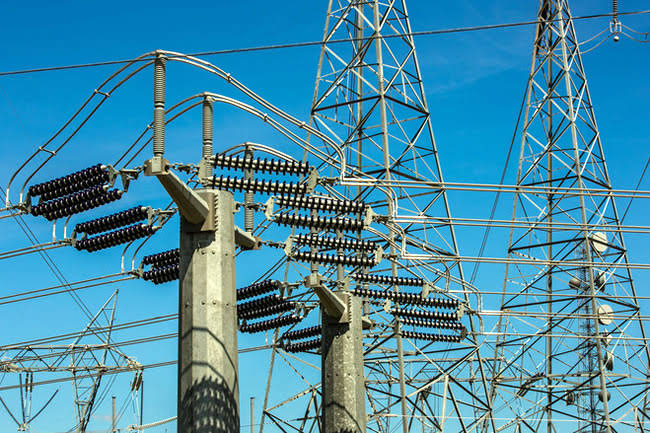
Residents of Nasarawa State on Monday staged a protest in Lafia, the state capital, over what they described as persistent and unreliable electricity supply affecting homes and businesses.
The demonstrators marched through major roads in the city, demanding urgent government intervention to resolve what they called a deepening power crisis.
Carrying placards and chanting solidarity songs, the protesters lamented frequent blackouts, saying the situation has disrupted business operations, academic activities, healthcare services, and overall living standards across the state.
Speaking during the protest, the leader of the group, Ibrahim Abdullahi Attama, attributed the problem to deteriorating infrastructure, obsolete transformers, inadequate power allocation, and poor maintenance practices.
He explained that electricity facilities in the state have gradually deteriorated, resulting in prolonged outages that sometimes last for weeks or even months. Attama noted that critical components of the distribution network, including poles, cables, and transmission lines, are visibly outdated and rusted.
“The situation has reached a critical point. Business operations, education, healthcare, and the general quality of life are being severely affected,” he said.
According to him, the lack of routine and preventive maintenance has significantly contributed to the recurring outages. He called on the Nasarawa State Government to conduct a comprehensive assessment of the electricity infrastructure and collaborate with relevant federal power agencies to secure improved allocation for the state.
Attama added that even when the infrastructure appears functional, electricity supply remains inadequate and unpredictable.
“Even when facilities are working, the actual hours of supply are minimal and inconsistent, which suggests a major shortfall in the megawatts allocated for distribution,” he stated. “This situation hampers growth and productivity because businesses cannot depend on stable power.”
The protesters argued that the current electricity allocation to the state falls far below demand, forcing many residents to rely on costly alternative energy sources.
They urged authorities to replace faulty transformers without delay and implement regular maintenance schedules to improve reliability.
The group also criticised the management structure of the power distribution company in the state, describing it as ineffective and largely unresponsive to consumer complaints. They demanded greater transparency, improved communication, and accountability.
Attama warned that failure to address their concerns could lead to sustained demonstrations.
“We are not asking for too much. We simply want stable electricity to support our livelihoods. If no action is taken, we will continue to protest peacefully until our concerns are addressed,” he said.
Meanwhile, Electricity Distribution Companies have attributed the nationwide drop in power supply to inadequate gas supply to the national grid and reduced water levels at hydroelectric plants.
The Nigerian Independent System Operator confirmed that gas shortages have reduced electricity generation to about 4,300 megawatts. It added that only 692 million standard cubic feet of gas is currently being supplied to the grid, far below the 1,629 million standard cubic feet required for optimal generation.