2027 Elections At Risk? Commissioner Warns Of ‘Big Advantage’ INEC Is Squandering
 Follow us on Google News
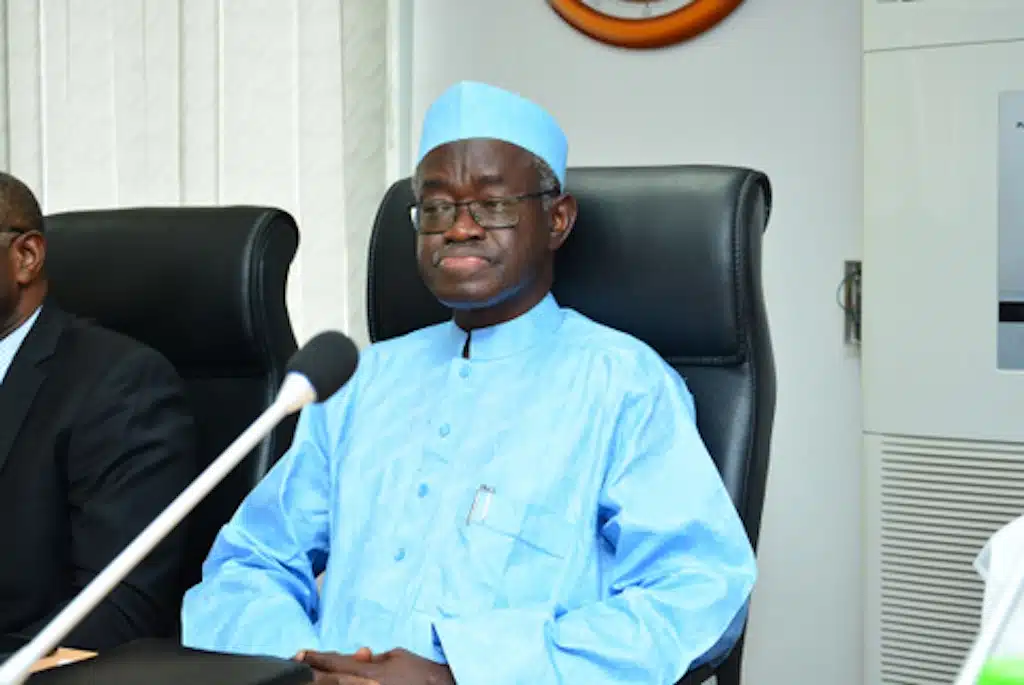
The Independent National Electoral Commission (INEC) has raised concerns over the recent changes to the 2027 general election timetable, warning that the reduction of the notice period from 360 days to 300 days creates new operational challenges for the commission.
INEC National Commissioner, Malam Mohammed Haruna, highlighted the issue during an interview with Daily Trust, noting that the shortened timeline would significantly shrink the commission’s preparation window.
The Senate had amended the Electoral Act to reduce the mandatory election notice period to 300 days, a move intended to avoid a clash with Ramadan fasting. This adjustment has consequently required revisions to the 2027 election schedule.
However, Haruna warned that the compressed timeline would make preparations more demanding for the electoral body. He recalled that one of INEC’s major achievements under former Chairman Mahmood Yakubu was securing a full 360-day preparation period, which allowed for smoother logistics and improved operational independence.
“We Printed All Ballots in Nigeria”
Haruna emphasized that the extended timeline enabled INEC to print all ballot papers domestically for the first time since 1999, reducing reliance on foreign printing firms.
“For the first time, all ballot papers and required resources were produced inside Nigeria. Not outside,” he said.
“This is a big advantage that we are now throwing away.”
He added that the shorter preparation period could impact planning, procurement, and other pre-election activities that require adequate lead time.
Concerns Over Nomination Methods
The commissioner also expressed apprehension about provisions in the 2026 Electoral Act that limit political parties to only two methods of nominating candidates—consensus and direct primaries. He questioned the transparency of the consensus method, warning that internal arrangements could occur “under the table” without INEC’s knowledge.
“With consensus, a lot of things could be going on that the commission may not know about,” Haruna said.
“INEC can only operate with processes that are transparent and formally communicated to it.”
He suggested that such restrictions may reduce the commission’s capacity to monitor internal party democracy effectively.
Voter Mobilization and Turnout
Addressing concerns about low voter turnout in the last FCT elections, Haruna clarified that while INEC is responsible for civic education and informing citizens about voting procedures, political parties carry the primary responsibility for mobilizing their members.
“They have members—hundreds, if not millions. It is their duty to encourage them to vote. INEC can only support to a limited extent,” he said.
On INEC Chairman Joash Amupitan
Regarding calls for the removal of INEC Chairman Joash Amupitan over his past statements on alleged Christian genocide, Haruna stated that what matters most is the chairman’s current conduct in office.
“We all have biases and prejudices. The key question is whether these affect one’s objectivity in their current assignment. I’m inclined to give him the benefit of the doubt,” he said.
Haruna reiterated that the appointment of the INEC chairman is a presidential prerogative, subject to Senate confirmation, and noted that due process had been followed.
He concluded that while electoral reforms are necessary, sufficient planning time remains crucial for the successful conduct of elections, particularly as preparations for the 2027 general elections begin to accelerate.