
Politics
Continued Exploitation: The Benin Bronzes And Africa

Continued Exploitation: The Benin Bronzes And Africa....KINDLY READ THE FULL STORY HERE▶
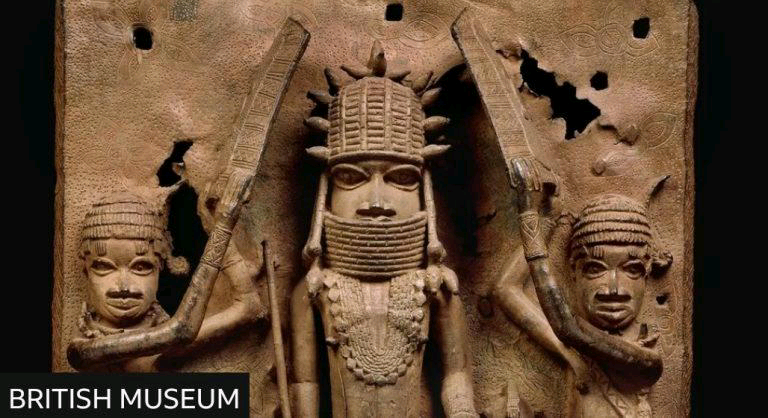
Nigerian artists, both at home and abroad, have voiced frustration over Western countries’ prolonged retention of looted Benin Bronzes in museums, galleries, and private collections. Dr. Bolaji Ogunwo, a painter and lecturer at the University of Lagos, renewed calls for transparency from those holding these artifacts, urging them to disclose their conditions for return to finally resolve the ongoing repatriation debate……… CONTINUE READING
Reflecting on the 1897 looting of Benin during a punitive expedition, Dr. Ogunwo condemned the ongoing exploitation of Africa’s cultural heritage as both active and passive. Fidelis Ugochuku Atumah Abiamuwe, a prominent Nigerian sculptor based in New York, echoes this sentiment through his artworks, which often depict Africa’s enduring victimization.
“Africa is continuously exploited, oppressed, and looted,” Atumah Abiamuwe asserts, emphasizing a shift in focus from artifacts to Africa’s mineral wealth like oil, gas, and precious metals, often in collaboration with African elites.
While some Western entities have begun returning stolen artifacts out of guilt, others cite the concept of ‘universal museums’ to justify retaining them, a stance critiqued by advocates like artist and professor Peju Layiwola of UNILAG.
The return of artifacts, such as those recently repatriated by Jesus College and Germany, offers a glimmer of hope. However, challenges persist, including disputes over ownership and transparency about artifact locations post-return. Meanwhile, the planned Edo Museum of West African Art faces setbacks, highlighting unresolved questions about the future of Benin Bronzes and ongoing debates about cultural restitution.
As Africa awaits further repatriations, the economic benefits for Western countries from retained artifacts underscore the persistent exploitation and collaboration that perpetuate the continent’s cultural theft.


History in Edo: Okpebholo Nominates Enugu-born Martin Oli as Commissioner

Momoh Receives National Youth Group, Reaffirms Commitment to Youth Empowerment and Regional Development

Why Rivers Lawmakers Refused To Act on Fubara’s Request Immediately

CBN Orders Immediate Freeze On Accounts Linked To Terror Financing Suspects

Rufai Sparks Debate With Explosive Reaction To Police Statement On Suspected Bandits

Sh*cking Police Shake-Up As Oyigbo DPO Is Removed Over ₦500,000 Bribery Allegation

Dollar To Naira Sh*ck: Fresh Exchange Rate Revealed For June 21, 2026

Sh*ck And Outrage As Retired Generals React To Death If Gen. Abubakar In Bandit Camp

Etinosa Reacts To Viral Concerns About Her Neck Size, Says She Is Healthy
