
Politics
House Of Representatives Backs Age Restriction For SSCE And UTME Candidates

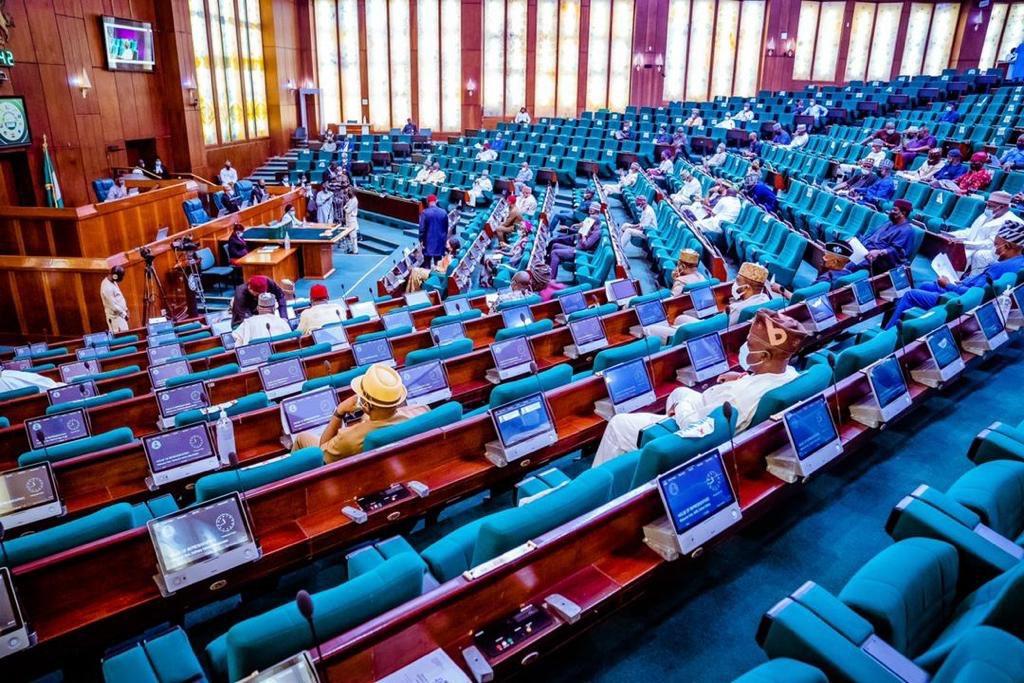
House Of Representatives Backs Age Restriction For SSCE And UTME Candidates....KINDLY READ THE FULL STORY HERE▶
The House of Representatives Committee on Basic Education has suggested that the Federal Government’s decision to set a minimum age for candidates taking the Senior Secondary School Certificate Examination (SSSCE) is likely to remain in place……..CONTINUE READING
In July, Education Minister Prof. Tahir Mamman announced that starting in 2025, only candidates aged 18 or older will be permitted to sit for the SSSCE, and this will impact their ability to gain admission to higher education institutions. This announcement has sparked significant debate among parents and education stakeholders.
In an exclusive interview with *The PUNCH* on Thursday, Mark Useni, Chairman of the House Committee on Basic Education, explained why the Federal Government might not reverse this decision.
Useni stated, “The Committees on Basic Education and Examination Boards brought this issue to the House leadership. Speaker Tajudeen Abbas assigned House Leader Prof. Julius Ihonvere to facilitate a meeting with the Minister of Education, Prof. Tahir Mamman, and other relevant officials. This meeting, held on September 4, included the Minister of State for Education, Dr. Tanko Sununu, and heads of basic education examination bodies.
“The Minister clarified that the age requirement policy is rooted in the Universal Basic Education Act and predates the adoption of the 6-3-3-4 education system. He noted that similar age requirements exist in military and paramilitary institutions and that the voting age in Nigeria is also set at 18 years.”
Useni, a member of the All Progressives Congress representing Takum/Donga/Ussa Federal Constituency in Taraba State, criticized the current situation where children as young as 12 are seeking university admission.
He emphasized, “The policy aims to align educational pursuits with cognitive and physical development, but the Ministry of Education must develop a clear framework for implementing this policy. It’s crucial to ensure that students already in senior secondary classes are not adversely affected by this change.
“We have directed the ministry to create a transition plan based on available data and to ensure the policy serves the public interest without causing undue disruption,” Useni added.


EFCC: Emefiele Trial Stalls Again As Key Witness Fails To Appear

APC Elders Back Tinubu, Namadi As They Splash ₦150 Million On Nomination Forms

Dollar To Naira Today: Fresh Pressure Hits Exchange Rate As Market Reacts To Global Trends

Lai Mohammed Hits Back At CNN Over EndSARS Coverage, Calls Report Misleading

Fresh Bombshell As Obasanjo Reveals How Shell Rejected Nigeria’s Refineries

Breaking: Federal Government Of Nigeria Bans Cement Importation, Releases Full List Of Restricted Goods

Breaking: Complete List Of Charges Filed Against Timipre Sylva And Alleged Coup Network Exposed

Supreme Court Shocks Kano Emirate Case, Adjourns Hearing Till 2027

Bold Warning From PDP Chieftain As Bode George Advises Tinubu To Avoid Sycophants
