
Politics
FEC Outlines Ten Strategic Changes To Accelerate Economic Growth (Complete List Inside)

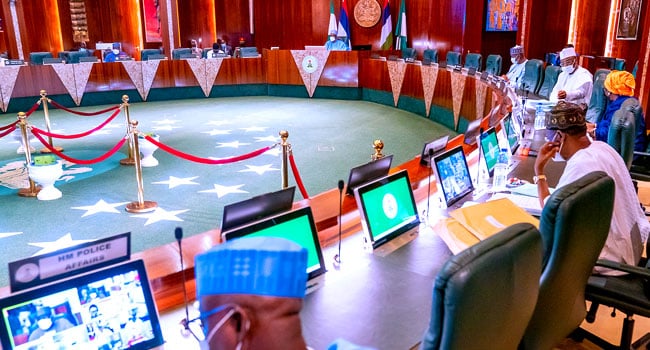
FEC Outlines Ten Strategic Changes To Accelerate Economic Growth (Complete List Inside)....KINDLY READ THE FULL STORY HERE▶
The Federal Executive Council (FEC) has approved the Economic Stabilisation Bills (ESB), marking a significant step in the government’s Accelerated Stability and Advancement Plan. This decision was made during the council’s 18th meeting on Monday, presided over by President Bola Tinubu at the Aso Chambers of the State House in Abuja…….CONTINUE READING
The ESB, which stems from recommendations by the Presidential Fiscal Policy and Tax Reforms Committee chaired by Taiwo Oyedele, aims to amend over 15 tax, fiscal, and establishment laws. These proposed changes are anticipated to bolster economic stability throughout the nation.
The key objectives of the ESB include reducing inflation, strengthening the naira, boosting job creation, and promoting fiscal discipline while addressing poverty alleviation. In a post on his X account on Tuesday, Oyedele highlighted ten key amendments proposed by the bills, emphasizing their potential to stabilize Nigeria’s economy and pave the way for long-term inclusive growth. He described these reforms as vital for shaping Nigeria’s fiscal future.
Here are the 10 proposed changes:
1. Amendments to income tax laws to create employment opportunities for Nigerians within the global value chain, particularly in the digital economy.
2. Introduction of zero-rated VAT and an enhanced incentive regime to promote exports of goods, services, and intellectual property.
3. Amendments designed to facilitate investment in the gas sector and simplify local content requirements to enhance competitiveness.
4. Reform of the foreign exchange regime to strengthen the regulatory powers of the Central Bank of Nigeria (CBN), increase forex liquidity, stabilize the naira, and support rates convergence.
5. Tax reliefs for private sector employers regarding wage awards and transport subsidies provided to employees.
6. Tax incentives for companies that create incremental employment and retain those employees for a minimum of three years.
7. Enhanced fiscal discipline and improved remittances from government agencies and corporations to the Federal Government’s Consolidated Revenue Fund.
8. Collaboration with states to suspend certain taxes on small businesses and vulnerable populations, including road haulage levies and other transportation-related charges.
9. Introduction of a “Tax Identification Consolidation and Collaboration (TICC)” initiative to broaden the tax base and create a level playing field for businesses.
10. Provision of additional funding for the Students Loan Scheme.


Okpebholo Knocks Out Critics As He Tours Ikpoba Hill Flyover With Seun Okinbaloye

Game Over! Iyawe Picks Reps Form — Oredo Politics Set For A Shockwave

System Has Failed Us” — Peter Obi Reacts To EFCC Allegation On Student Fraud Case

Political Tension Rises As Fayose Questions Supreme Court Delay In Party Disputes

Delta State Case Heats Up As Fresh Allegations Hit Officer In Fatal Shooting

Supreme Court Shocks Kano Emirate Case, Adjourns Hearing Till 2027

Breaking: Complete List Of Charges Filed Against Timipre Sylva And Alleged Coup Network Exposed

Political Tension Rises As Tonye Cole Grabs APC Ticket Form For Rivers Clash

Drama In Court As Nine Exhibits Against Malami, Family Are Accepted As Evidence
