
Latest
Outrage Erupts Over INEC Chair’s 2020 ‘Genocide’ Brief, FG Yet To Respond

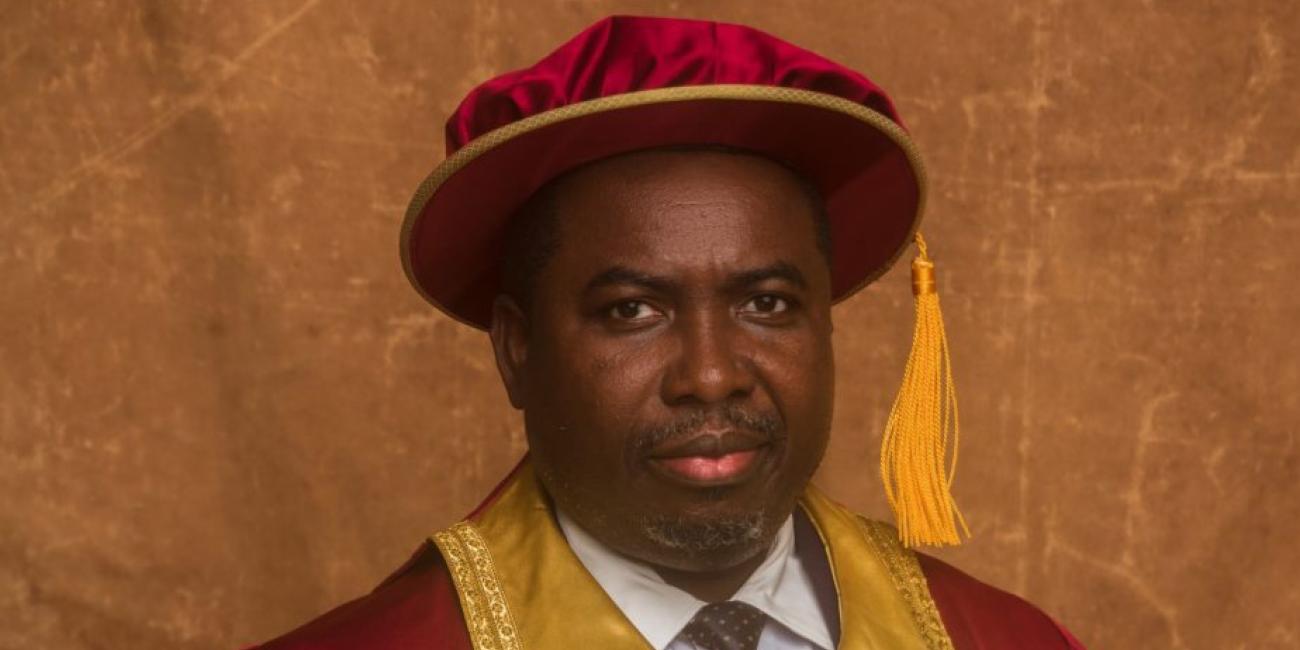
The Federal Government has remained silent after the resurfacing of a 2020 legal brief reportedly authored by Professor Joash Amupitan, Chairman of the Independent National Electoral Commission (INEC). The document allegedly classified Boko Haram attacks and killings attributed to “Fulani herdsmen” as part of a coordinated anti-Christian campaign amounting to genocide.....KINDLY READ THE FULL STORY HERE▶
The brief, included in a publication titled Nigeria’s Silent Slaughter: Genocide in Nigeria and the Implications for the International Community, has reignited debate over Amupitan’s stance on the nation’s security crisis.
Attempts to obtain an official response from the Minister of Information and National Orientation, Mohammed Idris, were unsuccessful, as calls and messages went unanswered. Amupitan has similarly remained silent since SaharaReporters first reported on the matter last Friday. His Chief Press Secretary, Dayo Oketola, was also unreachable. Sources within INEC told Daily Trust that the chairman is “preoccupied with the Anambra governorship election” over the weekend.
Amupitan, who contributed an 80-page chapter titled Legal Brief: Genocide in Nigeria, was sworn in as INEC chairman on October 23, following Senate confirmation.
Senate Denies Prior Knowledge
The Senate, when contacted, said it was unaware of the 2020 publication during Amupitan’s screening. Senate spokesman Yemi Adaramodu told Daily Trust, “I have never seen it. We are not privy to it. Something that the Senate has never seen. This is something that is not before us; something we don’t know.”
Produced by the International Committee on Nigeria (ICON) and the International Organisation on Peace-building & Social Justice (PSJ), the publication documented alleged systematic killings of Christians across Nigeria. Amupitan reportedly argued that the attacks met the threshold for genocide under international law and accused the Federal Government of complicity through its alleged failure to protect communities and prosecute perpetrators.
The resurfaced brief contradicts the government’s position, which dismisses claims of genocide, including those raised after former U.S. President Donald Trump re-designated Nigeria as a Country of Particular Concern (CPC). The Federal Government maintains that insecurity affects both Muslims and Christians, attributing it to terrorism, banditry, and socio-economic challenges rather than religious persecution.
The Supreme Council for Sharia in Nigeria (SCSN) has since called for Amupitan’s removal as INEC chairman.
Amupitan’s 2020 Position on Genocide
In the brief, Amupitan, then a University of Jos faculty member, wrote: “It is a notorious fact that there is perpetration of crimes under international law in Nigeria, particularly crimes against humanity, war crimes and genocide. One word that the Nigerian authorities and international investigators and rapporteurs have not mentioned (or simply refuse to mention) in respect of the protracted violence in Nigeria is ‘genocide.’ Is this a deliberate omission or an oversight?”
He further claimed that state and non-state actors’ involvement had worsened the crisis, urging neutral third-party intervention from the UN, major powers, and regional organizations. He described Boko Haram’s agenda as the Islamisation of Nigeria and accused Fulani militants of engaging in similar anti-Christian violence. He alleged that strategic appointments during military regimes favored the Hausa-Fulani group, consolidating economic and political advantages to further an Islamisation agenda, while other ethnic groups remained unaware until the damage was extensive.
Amupitan advised the U.S. Department of State to refer the matter to its Department of Justice’s Criminal Division. He also urged the UN Security Council, its relevant organs, and world powers to encourage contracting parties to the Genocide Convention to take Nigeria to the International Court of Justice for failing to prevent and punish genocide under Articles 8 and 9 of the Convention. He suggested, as a last resort, potential military intervention by the UN, African Union, or ECOWAS forces in line with Article 42 of the UN Charter.


Why Adams Oshiomhole Is Likely to Drive Public Engagement Ahead of 2027

Sh*ck Move: Kano Governor Orders All Political Appointees To Join APC

BREAKING: Nigerian Injured In Devastating Qatar Gas Explosion, FG Confirms

Full List: World Cup Round Of 32 Confirmed After Dramatic Group-Stage Finale

Sh*ck In Adamawa As Agriculture Commissioner D!es In Abuja

History in Edo: Okpebholo Nominates Enugu-born Martin Oli as Commissioner

Momoh Receives National Youth Group, Reaffirms Commitment to Youth Empowerment and Regional Development

Sh*cking Police Shake-Up As Oyigbo DPO Is Removed Over ₦500,000 Bribery Allegation

Dollar To Naira Sh*ck: Fresh Exchange Rate Revealed For June 21, 2026
