
₦11.2tn Pipeline Security Spending Sparks Fresh Controversy, Atiku Demands Answers
 Follow us on Google News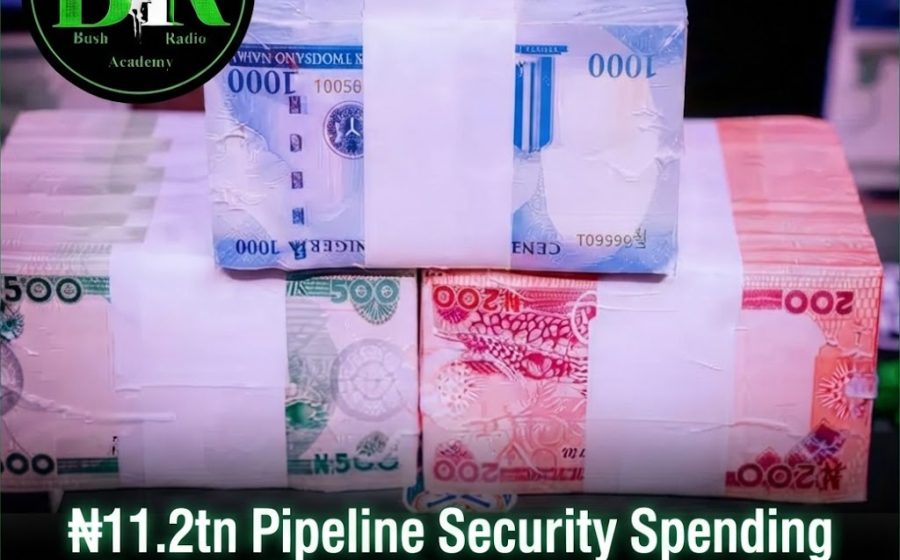
Questions have continued to trail the Nigerian National Petroleum Company Limited’s (NNPCL) reported ₦11.2 trillion expenditure linked to pipeline surveillance and other receivables from the Federation in 2025, with energy experts calling for greater transparency and a clear explanation of how the funds were utilised.
The concern followed the release of NNPCL’s 2025 audited financial statements, which showed that the company recorded a 33 per cent increase in Profit After Tax, rising from ₦5.4 trillion in 2024 to ₦7.2 trillion in 2025.
However, NNPCL’s revenue declined by 24 per cent during the same period to ₦34.5 trillion.
The financial statements listed ₦11.2 trillion under “pipeline surveillance and other receivables from federation.” NNPCL explained that the figure covered advance payments to the Federation as well as costs incurred in securing the country’s oil and gas assets.
The company also clarified that it did not classify any expenditure under “energy security”, a term it uses in relation to spending associated with fuel subsidy.
The size of the ₦11.2 trillion figure has attracted particular attention because it exceeds the company’s ₦7.2 trillion profit for the year. In 2024, NNPCL reported ₦7.1 trillion in energy security expenditure, while its combined spending on pipeline security was put at ₦17.5 trillion.
According to Bush Radio Academy, former Vice President and 2027 African Democratic Congress presidential candidate Atiku Abubakar has called for greater scrutiny of the ₦11.2 trillion figure. Atiku questioned how such a substantial amount was utilised, noting that it was several times higher than Nigeria’s approximately ₦3.1 trillion defence budget allocation.
Energy expert and petroleum economist, Professor Wumi Iledare, also called for closer examination of the expenditure, arguing that the central issue should be the value Nigeria received in return for the money committed to securing its oil and gas infrastructure.
Speaking on Arise, Iledare questioned the scale of the expenditure and urged NNPCL to demonstrate the economic value derived from the spending. He said the key consideration should be whether the investment helped sustain production and protect the country’s petroleum assets.
Other industry stakeholders acknowledged the importance of protecting oil and gas infrastructure but insisted that the spending should be properly accounted for.
The Managing Partner of BBH Consulting and Convener of the Public Interest Advocacy Network, Barrister Ameh Madaki, described the reported expenditure as excessive and questioned the effectiveness of the pipeline surveillance arrangements.
Madaki also alleged that the spending could be connected to political preparations ahead of the 2027 general elections. However, the allegation has not been independently established.
Oil and gas consultant and public affairs analyst, Chuks Emeka, offered a more cautious assessment, stressing that the protection of Nigeria’s oil infrastructure remains necessary because pipeline vandalism, crude oil theft and attacks on critical facilities can undermine production, discourage investment and reduce government revenue.
Emeka, however, warned against presenting the entire ₦11.2 trillion as fresh cash spent exclusively on pipeline security in 2025. He pointed out that the audited accounts classified the amount as receivables from the Federation, covering advances and costs incurred on behalf of the government, including the protection of oil and gas assets.
He nevertheless agreed that Nigerians deserved a detailed breakdown of the figure, including how much was spent on surveillance, security operations, community-based interventions and other related activities.
Emeka also called for details of contracts awarded under the expenditure, the beneficiaries of such contracts and the measurable results achieved.
He noted that improved security around oil infrastructure appeared to have contributed to increased crude production, with NNPCL reporting average output of about 1.71 million barrels per day in 2025, compared with significantly lower production levels in 2022.
According to him, the issue was not whether Nigeria should spend money protecting its pipelines but whether the country was receiving value commensurate with the funds being committed.
Emeka advocated a security framework that would protect oil facilities, ensure the continuous operation of production infrastructure and give host communities a meaningful role in safeguarding petroleum assets.
He further called for greater transparency, independent auditing and economic efficiency in the management of such funds, particularly amid widespread cost-of-living pressures.
The growing debate has therefore shifted from the necessity of securing Nigeria’s oil infrastructure to questions over the size of the expenditure, how the money was distributed, who benefited from it and what measurable impact the spending had on oil production and national revenue.







Comments
0 comments