
Politics
Lagos State Government Faces Controversy Over Handling Of #EndSARS Protest Aftermath And Journalist’s Body

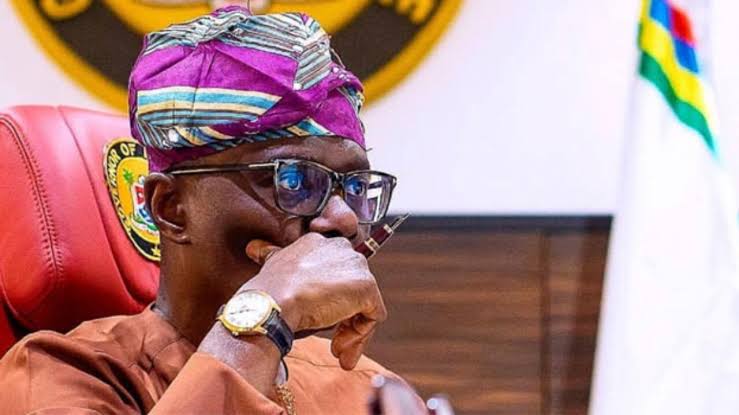
The Lagos State government, under Governor Babajide Sanwo-Olu’s leadership, is embroiled in controversies surrounding its handling of the aftermath of the nationwide #EndSARS protest and the reported massacre at Lekki Tollgate in October 2020.
Recently, reports have revealed how the body of journalist Pelumi Onifade, who was allegedly killed by a police task force team during the protest, was kept away by the state government.
Pelumi, who was an intern journalist at the time, went missing while interviewing a crowd at a location where COVID-19 palliatives were being looted in Lagos, and his body was later found dead….CONTINUE READING
The government’s intention to hold a mass burial for 103 victims of the #EndSARS protest sparked public reactions.
A letter from the Lagos State Public Procurement Agency (LSPPA) disclosed that a ₦61,285,000 contract was awarded to TOS Funerals Limited to bury the bodies, equating to ₦595,000 per body. Nigerians mocked the government for beginning to acknowledge the killings at Lekki Tollgate.
However, the government denied that the bodies were recovered from Lekki Tollgate and claimed that none of the families came forward to claim them.
In contrast, Pelumi Onifade’s mother spoke out against the government’s claims, stating that her family was denied access to her son’s body and that they had undergone a DNA test at Lagos State University Teaching Hospital (LASUTH), with results allegedly withheld by the state governor.
Despite her efforts to secure her son’s body for a proper burial, the Onifade family received a message asking them to undergo another DNA test at the Lagos State DNA center.
Pelumi’s mother expressed her desire to take custody of her son’s body and give him a dignified burial instead of being part of a mass burial.
As the situation unfolds, the controversies surrounding the aftermath of the #EndSARS protest continue to raise questions about transparency and accountability in the Lagos State government’s actions.


Police Launch Probe Into Borno Commissioner, Kuje Chairman, Senator Over Inciting Comments

Enzo Fernandez Set For Shock Chelsea Exit As Man City Seal £125m Mega Deal

Wike Endorses Chinda, Declares Him His Choice For Next Rivers Governor

2027 AFCON: Super Eagles Discover Qualifier Schedule, Nigeria Set For Battle

Bank of America VP Erin Piacenti Dies After Random Times Square Stabbing

WHY OKPEBHOLO KNOWS WHAT HE IS SAYING ABOUT TINUBU’S 2.5 MILLION VOTES

Fake Agency Scandal: ICPC Recommends Punishment for 13 Officials — See Full List

Cement Hits ₦15,000: FCCPC Demands Answers From Dangote, BUA, Other Producers

Was The Sacrifice Worth It?” – El-Rufai’s Son Reveals What Father Told Him In Detention
