
 Follow us on Google News

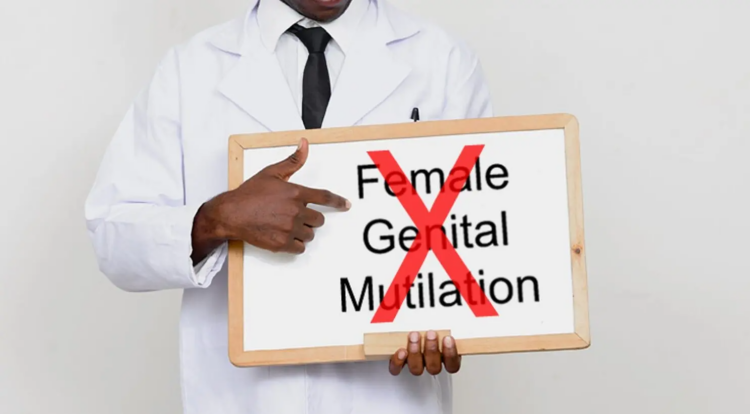
Female genital circumcision (FGC), often practiced as a cultural or religious tradition, has deep historical roots in Africa. It is believed to preserve chastity in marriage and hygiene, or even serve as a pre-condition for legal marriage.
However, extensive research has demonstrated that Female Genital Mutilation (FGM) offers no health benefits and instead poses severe physical and psychological risks to women and girls.
Eliminating female circumcision in Nigeria is a critical task that demands everyone’s attention. This gender-based violence violates the human rights and dignity of women and girls, inflicting unimaginable trauma, pain, bleeding, infections, infertility, childbirth complications, and even death. It contradicts the very reasons used to justify its practice….CONTINUE READING
Various avenues exist to advocate against FGC in Nigeria, each tailored to individual skills, resources, and interests. Action steps may include:
- Educating oneself and others about the realities of FGM and challenging the societal norms that support it.
- Supporting survivors by listening to their stories, respecting their choices, and providing access to advocacy services.
- Joining groups or organizations that actively advocate against FGC, such as women’s rights organizations or faith-based groups.
- Advocating for the implementation of laws and policies that protect the rights of women and girls, like the Violence Against Women Prohibition Act.
- Providing financial support to organizations offering essential services to FGM victims, such as healthcare, education, legal aid, counseling, and safe accommodations.
- Using personal and social platforms to speak out against FGM and amplify the voices of survivors, shedding light on the truth about circumcision.
- Engaging with youth and women’s organizations as partners in the fight against FGM, promoting gender equality and challenging harmful narratives.
Ending female circumcision in Nigeria is a challenging but rewarding project with multiple dimensions. Everyone’s contribution can make a difference in the lives of countless women and girls who have suffered the trauma of FGM, leading to a more peaceful and equitable society.
There are numerous organizations and individuals sharing the same vision and supporting efforts against this harmful practice. Together, we can bring an end to female circumcision in Nigeria.
According to the World Health Organization (WHO), there are four major types of female genital mutilation:
Category one: Clitoridectomy, the least severe form, involves cutting the prepuce or the clitoral hood along with part or all of the Labia minora (inner lip). Approximately 5.8% of Nigerian women have undergone clitoridectomy.







Comments
0 comments