
Jaja Wachuku: The Nigerian Politician Who Intervened to Spare Nelson Mandela’s Life in 1964 – The Untold Chapter of Nigerian-South African Relations
 Follow us on Google News
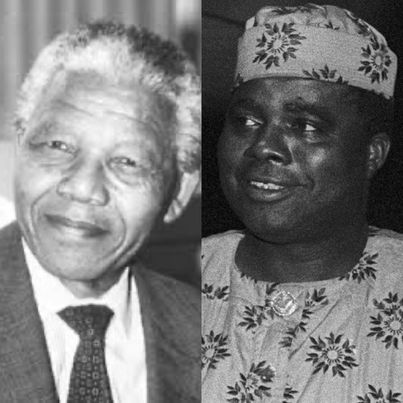
Jaja Wachuku: The Nigerian Politician Who Intervened to Spare Nelson Mandela’s Life in 1964 – The Untold Chapter of Nigerian-South African Relations
Jaja Wachuku, a luminary in Nigerian history, renowned for his contributions during Nigeria’s struggle for independence, demonstrated an act of exceptional statesmanship in 1964. Wachuku, known for his selflessness and relentless pursuit of justice, played a pivotal role in saving Nelson Mandela from the death penalty during the famous Rivonia Trial in South Africa.
The Rivonia Trial, held between October 9th, 1963, and June 12th, 1964, witnessed Mandela, along with twelve other South African political leaders, facing severe charges. These leaders had been on the run since 1961 due to their resistance against apartheid but were eventually arrested in 1963. Despite pleading guilty to acts of sabotage, Mandela denied other charges and, during his trial, delivered an iconic three-hour-long speech, declaring, “I am prepared to die.”
Convicted and sentenced to death in 1964, Mandela’s fate seemed sealed. However, Jaja Wachuku, serving as Nigeria’s Foreign Affairs Minister and having previously been the first Ambassador and Paramount Representative of Nigeria to the United Nations, refused to let this grave injustice pass.
Leveraging his significant diplomatic ties, including relationships with top United Nations officials and U.S. dignitaries, Wachuku vehemently intervened. Recognizing Mandela’s vision for a free and equal South Africa and viewing the sentencing as an egregious injustice, Wachuku’s efforts were successful. The death sentences of Mandela and the other accused were commuted to life imprisonment, although Mandela would spend nearly 28 years behind bars before his eventual release in 1990.
Jaja Wachuku, a Royal Prince of the Ngwa land in Eastern Nigeria and an ardent Pan-Africanist, was renowned for his contributions on the global stage. As the first Speaker of the Nigerian House of Representatives, he set a precedent for excellence. His audacity was also evident in the 1960s at a U.N. meeting when, after facing a racist remark, he responded by feigning sleep, highlighting his disdain and resistance against racial prejudice.
A beacon of resilience and advocate for justice, Wachuku’s role in the Mandela episode serves as a testament to his unwavering commitment to equity, showcasing an unforgettable chapter in the annals of Nigerian-South African relations.
Source: Bushradiogist





Comments
0 comments