
Politics
JUST IN: INEC 2023 Sparse Fulfillment Despite Abundant Promises

JUST IN: INEC 2023 Sparse Fulfillment Despite Abundant Promises....KINDLY READ THE FULL STORY HERE▶
In a pivotal year, the Independent National Electoral Commission (INEC) held the exclusive authority to shape Nigeria’s political landscape, promising a new era of transparency and credibility through the conduct of nationwide elections. The year began with INEC’s resolute preparations and innovative measures, sparking confidence among Nigerians in the prospect of their votes truly making a difference….CONTINUE READING
INEC’s commitment was evident in various initiatives, including the introduction of the Bimodal Voter Accreditation System (BVAS) and the INEC Result Viewing (IReV) portal, aimed at ensuring real-time accreditation and transparent result transmission. The electoral body engaged stakeholders through consultative meetings, assuring the public of its readiness and dismissing speculations of election postponement.
Despite challenges posed by a hostile environment and security concerns, INEC’s meticulous planning reduced previous issues such as delayed material delivery and ballot box snatching. The commission successfully conducted off-cycle elections in some states, garnering attention and international praise for its efforts.
However, as the general elections unfolded, INEC faced severe scrutiny and criticism. Glitches in the IReV portal and other malfeasances raised questions about the commission’s ability to fulfill its promises. International observers, including the United States, European Union, and Commonwealth, highlighted widespread irregularities and a lack of transparency, dealing a blow to INEC’s credibility.
The European Union Election Observer Mission pointed out flaws in the electoral legal framework and deficiencies in INEC’s accountability and transparency. Despite initial positive measures, the mission noted a decline in public confidence due to operational failures and a lack of transparency.
Chatham House criticized INEC for failing to adhere to guidelines, resulting in logistical failures and delayed opening of polling units. The inability to upload results real-time during the presidential election further damaged public trust.
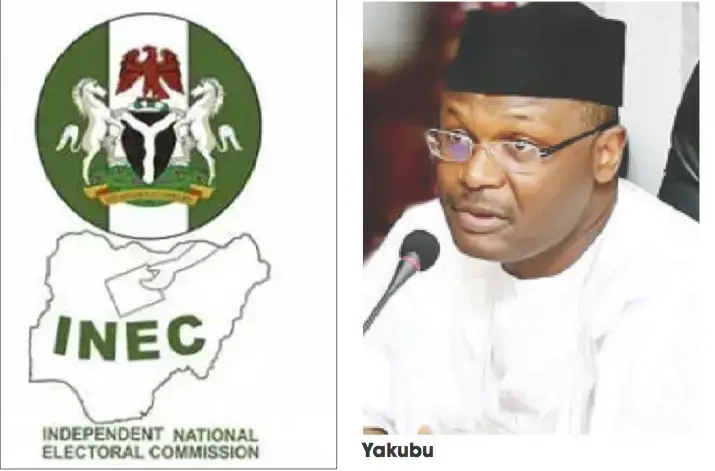
INEC’s chairman, Mahmood Yakubu, acknowledged the challenges faced during the elections, citing issues with logistics, technology, and personnel behavior. The admission, while appreciated by some, raised concerns about the commission’s preparedness and competence.
Subsequent off-cycle governorship elections in Kogi, Bayelsa, and Imo states further tarnished INEC’s image, with reports of electoral fraud and malpractices. Critics, including former IPAC National Chairman Peter Ameh, called for a public audit of INEC, alleging a lack of transparency in the handling of funds and equipment.
As INEC looks ahead to off-cycle governorship elections in Edo and Ondo states, the focus is on rebuilding public trust and addressing the systemic issues that marred the 2023 elections. The coming year presents a crucial opportunity for INEC to rectify its shortcomings and restore confidence in its ability to conduct free, fair, and credible elections.
For more information join our whatsapp group by clicking the link here: WhatsApp Group Invite
For contributions and inquiries, contact us at bushradiogist@gmail.com, 090 1907 0863 (WhatsApp only) Explore a diverse array of paid articles covering content related to shows, asylum letters, concerts, politics, and paid advertising.
Source: Bushradiogist


Momoh Receives National Youth Group, Reaffirms Commitment to Youth Empowerment and Regional Development

Why Rivers Lawmakers Refused To Act on Fubara’s Request Immediately

CBN Orders Immediate Freeze On Accounts Linked To Terror Financing Suspects

Rufai Sparks Debate With Explosive Reaction To Police Statement On Suspected Bandits

Sh*ck Confession: Charly Boy Reveals Why He Nearly Quit His 48-Year Marriage

Sh*cking Police Shake-Up As Oyigbo DPO Is Removed Over ₦500,000 Bribery Allegation

Dollar To Naira Sh*ck: Fresh Exchange Rate Revealed For June 21, 2026

Etinosa Reacts To Viral Concerns About Her Neck Size, Says She Is Healthy

Sh*ck And Outrage As Retired Generals React To Death If Gen. Abubakar In Bandit Camp
