
Latest
Unveiling the Unspoken: What Scientists Won’t Tell You About Charcoal

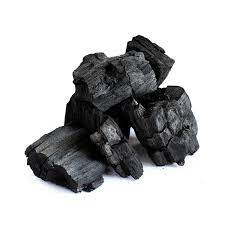
Unveiling the Unspoken: What Scientists Won’t Tell You About Charcoal....KINDLY READ THE FULL STORY HERE▶
Introduction: Charcoal, a versatile substance derived from carbon-rich materials, has been used for various purposes throughout history. While scientists acknowledge its numerous benefits, there are aspects of charcoal that may not be widely discussed. In this article, we delve into the lesser-known facets of charcoal and what scientists might not explicitly share.CONTINUE READING
- Natural Water Filtration: Charcoal’s porous structure makes it an effective natural water filter. Beyond its common use in water purification systems, scientists often understate the simplicity and efficiency of charcoal in removing impurities and contaminants from water.
- Air Purification Properties: Activated charcoal is renowned for its ability to absorb and trap odors, pollutants, and harmful gases. Scientists might not always emphasize the extent to which charcoal can contribute to indoor air quality, creating a healthier living environment.
- Potential Tooth-Whitening Agent: Charcoal’s mild abrasive properties have led to its emergence in the beauty industry as a potential tooth-whitening agent. While dental professionals may not universally endorse this, some individuals have reported positive outcomes.
- Wound Healing Applications: Charcoal possesses natural antibacterial properties, which can aid in wound healing. Scientists may not always highlight its traditional use in poultices for treating wounds and infections.
- Digestive Health Support: Activated charcoal is occasionally used to alleviate digestive issues by binding to toxins and gases in the digestive tract. Though scientists recognize its absorptive properties, the application for digestive health might not be extensively discussed.
- Debunking the “Detox” Myth: While activated charcoal is promoted as a detoxifying agent, scientists often caution against its indiscriminate use for detox purposes. The potential risks and limitations are aspects they may not always explicitly emphasize.
- Charcoal in Soil Improvement: Charcoal, known as biochar when used in agriculture, can enhance soil fertility and nutrient retention. This sustainable practice is gaining attention, yet scientists might not widely publicize its potential impact on agriculture.
- Fire Safety and Charcoal: Charcoal’s fire-resistant nature is beneficial for applications in fire safety. This aspect might not be extensively discussed, but it highlights charcoal’s role in enhancing fire resistance in certain materials.
- Potential Allergen Absorption: Some studies suggest that charcoal may have the ability to absorb allergens, providing potential relief for individuals with allergies. Scientists may not explicitly highlight this facet of charcoal’s applications.
- Carbon Sequestration: The use of charcoal in carbon sequestration is an emerging area of research. Scientists may not widely share the potential of biochar in mitigating climate change by locking carbon in the soil.
Conclusion: Charcoal, often recognized for its simplicity, conceals a range of benefits that scientists may not extensively publicize. From its role in water filtration to potential applications in wound healing and agriculture, charcoal’s versatility extends beyond conventional wisdom. While acknowledging its positive attributes, it is crucial to approach charcoal use with an informed perspective, understanding both its strengths and limitations.


Court Strips Achimugu Of ₦4.6bn Luxury Fleet, Priceless Jewellery In Asset Forfeiture Ruling

Drama In Senate As Fasina Secures Ambassadorial Confirmation Amid Protests

Fresh Twist! Gbajabiamila Slams Adeyemi With ₦15bn Lawsuit Over PFIPC Allegations

Full List: Davido Tops AFRIMMA 2026 Nominations, Leaves Burna Boy, Tyla Chasing

Breaking: Appeal Court Gives INEC Green Light For 2027 Election Timetable

Mystery Deepens: New Details Surface In Mary Habila Death Investigation

Edo Governor Makes Major Shake-Up, Approves 20 Fresh Appointments

BREAKING: Petrol Price Could Crash Below ₦800 As FG, Marketers Reach Key Understanding

Iyabo Ojo Reveals Why She Welcomed Her Ex-Husband To Their Daughter’s Wedding
