
Naira Depreciation Faces Pushback From Cross-Border Traders
 Follow us on Google News
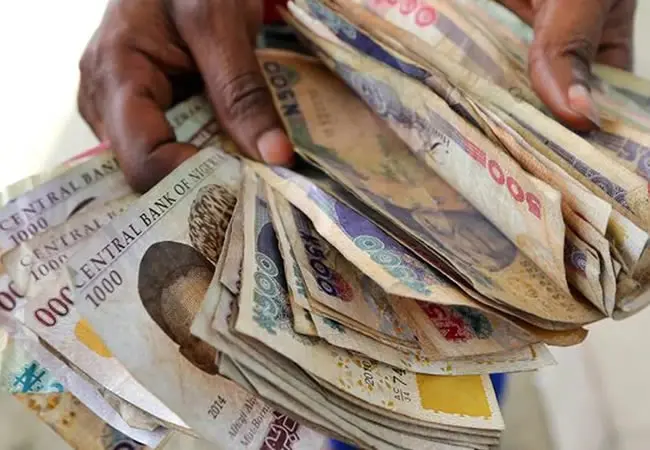
Naira Depreciation Faces Pushback From Cross-Border Traders
In recent months, the depreciation of the Nigerian currency, the Naira, has dealt a significant blow to the West African market region. This setback has been further compounded as trans-border traders have begun to reject the currency altogether.
Investigations conducted by Vanguard across the Seme border reveal a notable shift in preference among traders on both sides. They are now favoring either the CFA franc or the domestic currencies of non-francophone countries over the Naira.
Traditionally, the Naira held sway in the sub-region as the primary currency accepted by traders across borders, owing to the substantial volume of trade between Nigeria and neighboring countries. The currency enjoyed a status of convertibility in the unofficial payment systems of these nations.
However, Vanguard’s findings indicate a downward trajectory for the Naira starting in February, culminating in outright rejection by March 2024. Traders, including Nigerians, voiced concerns over the escalating risks associated with holding Naira, citing its continuous depreciation since the preceding year, with March witnessing the steepest decline.
Official data reveals a concerning trend. The Naira, which previously traded above N1/1.5CFA in the first quarter of 2023, experienced a sharp decline to N1/0.9CFA in the second quarter and further to N1/0.8CFA in the third quarter. Although there was moderate stability in the fourth quarter of 2023, the Naira opened 2024 at N1/0.66067CFA. However, subsequent waves of depreciation in February led to a drastic plummet to N1/0.38308CFA before hitting a new low of N1/0.37595CFA last week.
Traders are now taking precautionary measures against further depreciation, despite a slight improvement in recent days.
The adverse effects of this currency devaluation are palpable, particularly in the cost of goods imported into Nigeria through West African economies. Consequently, business activities on both sides of the border towns in Nigeria and Benin Republic have witnessed a downturn.
At border markets visited in Benin-Nigeria, it was observed that many money changers or Bureau De Change no longer prominently display the Nigerian currency as they did previously. Even transporters and bike riders, known as Okada in Nigeria, are declining payments in Naira, citing potential losses incurred when converting Naira to CFA.
The root cause of this depreciation is attributed to the strength of the United States Dollar, which impacts the cost of Dollar in Benin Republic and other neighboring countries, including Togo and Ghana. Nigerian traders, such as Mr. Achi Collins, emphasize the significant loss of value experienced by the Naira over time, leading to its rejection in favor of more stable currencies like the CFA franc.
This shift marks a significant departure from previous years when the Naira was widely accepted across the West African coast. However, its declining value has eroded its acceptability in neighboring countries, signaling a challenging economic landscape for traders and businesses alike.
For more information join our WhatsApp group by clicking the link here: WhatsApp Group Invite
For inquiries only, contact us at omoikirodahoshiobugie@gmail.com, 08075806790 (WhatsApp only). For paid articles covering content related to shows, music promotion, asylum letters, concerts, politics, advertisement hit up the Whatsapp number 08075806790.
Source: Bushradiogist







Comments
0 comments