
Court Order Contradictions In Kano Emirate Case Reveal Judicial Decline, Says Prof. Olawuyi
 Follow us on Google News
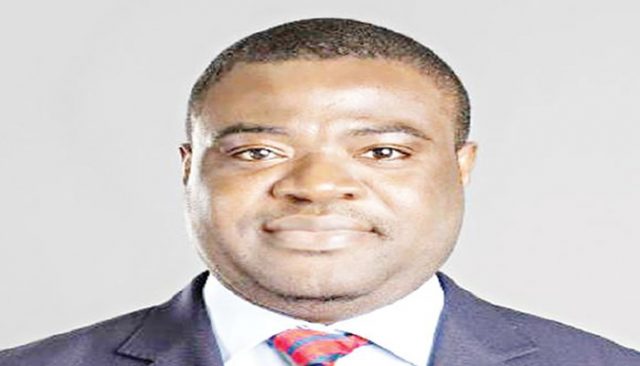
Court Order Contradictions In Kano Emirate Case Reveal Judicial Decline, Says Prof. Olawuyi
In this interview, Prof. Damilola Olawuyi (SAN) speaks with ONOZURE DANIA about the process of reappointing judges, conflicting court orders regarding the Emir of Kano, and other judicial issues………..CONTINUE READING
Reinstatement of Sanusi Lamido Sanusi and Resulting Unrest
Following the reinstatement of Sanusi Lamido Sanusi as the 16th Emir of Kano on May 24, 2024, protests and unrest ensued. A Kano State High Court issued an interim injunction preventing Aminu Ado Bayero and four other dethroned emirs from presenting themselves as emirs pending further proceedings. Prof. Olawuyi criticizes the situation, noting it reflects a significant decay in Nigeria’s judicial system, with judges issuing conflicting orders, sometimes even from abroad, which violates the NJC Guidelines for Virtual Court Proceedings. He emphasizes that such actions are invalid and should be voided. Additionally, he points out that the Federal High Court lacks jurisdiction over state traditional and chieftaincy matters, rendering any orders it issues in such cases as judicial malpractice and abuse of authority.
The Role of the Judiciary in Resolving Crises
Prof. Olawuyi suggests that the NJC must urgently review the judiciary’s role in the Kano crisis, impose sanctions where necessary, and invest in judicial education and ethical training to prevent future issues. He stresses that maintaining judicial integrity and avoiding impropriety is crucial for public confidence in the judiciary.
Re-Appointment of Serving Judges
Discussing the re-appointment of Justice Mandy Bassi from the Plateau State High Court to the Federal Capital Territory High Court, Prof. Olawuyi raises constitutional and transparency concerns. He highlights the impracticality and unconstitutionality of holding two judicial positions simultaneously. He calls for clear, transparent communication from the NJC about such appointments to maintain public trust in judicial processes.
Judicial Appointments and Potential Conflicts of Interest
Regarding the appointment of judges, particularly when involving family members of high-ranking officials, Prof. Olawuyi acknowledges the potential for conflict of interest and nepotism. He calls for transparent measures by the NJC to address these issues, including ensuring NJC members recuse themselves from decisions involving their relatives. He stresses that justice must be both done and seen to be done.
Reforms for Enhancing Judicial Effectiveness and Credibility
Prof. Olawuyi identifies funding, capacity, and integrity as key areas for improving the Nigerian judiciary. He advocates for increased funding to improve court infrastructure and technology, as well as enhanced ethical training and mentoring for judges. He also calls for capacity development through exposure to best practices and training in specialized legal areas.
NJC’s Disciplinary Actions
The NJC’s recent disciplinary actions against Justices Inyang Ekwo, G. B. Brikins-Okolosi, and Amina Shehu for professional misconduct are seen as a positive step by Prof. Olawuyi. He believes these actions, guided by proportionality principles, will deter similar misconduct by other judges and strengthen judicial accountability.
Maintaining Judicial Independence
To maintain judicial independence amid political and familial influences, Prof. Olawuyi calls for greater transparency in the judicial appointment process. He highlights examples from other jurisdictions, such as Kenya, where the entire appointment process is conducted openly. He argues that the Nigerian judiciary should adopt similar practices to boost public confidence.
Embracing Technology for Transparency
Prof. Olawuyi advocates for leveraging technology to enhance transparency in judicial appointments. He suggests using online and social media platforms to allow public monitoring of the application and interview processes, thereby ensuring adherence to due process and improving public trust.
By adopting these reforms, Prof. Olawuyi believes Nigeria can develop a judiciary that is transparent, accountable, and fit for the 21st century, ultimately enhancing its standing as a leading nation in Africa
For inquiries only, contact us at omoikirodahoshiobugie@gmail.com, 08075806790 (WhatsApp only). For paid articles covering content related to shows, music promotion, asylum letters, concerts, politics, advertisement hit up the Whatsapp number 08075806790.
Source: Bushradiogist





Comments
0 comments