
Politics
Amidst Controversy, Civil Society Organizations And Stakeholders Outline Priorities For Olukoyede At EFCC

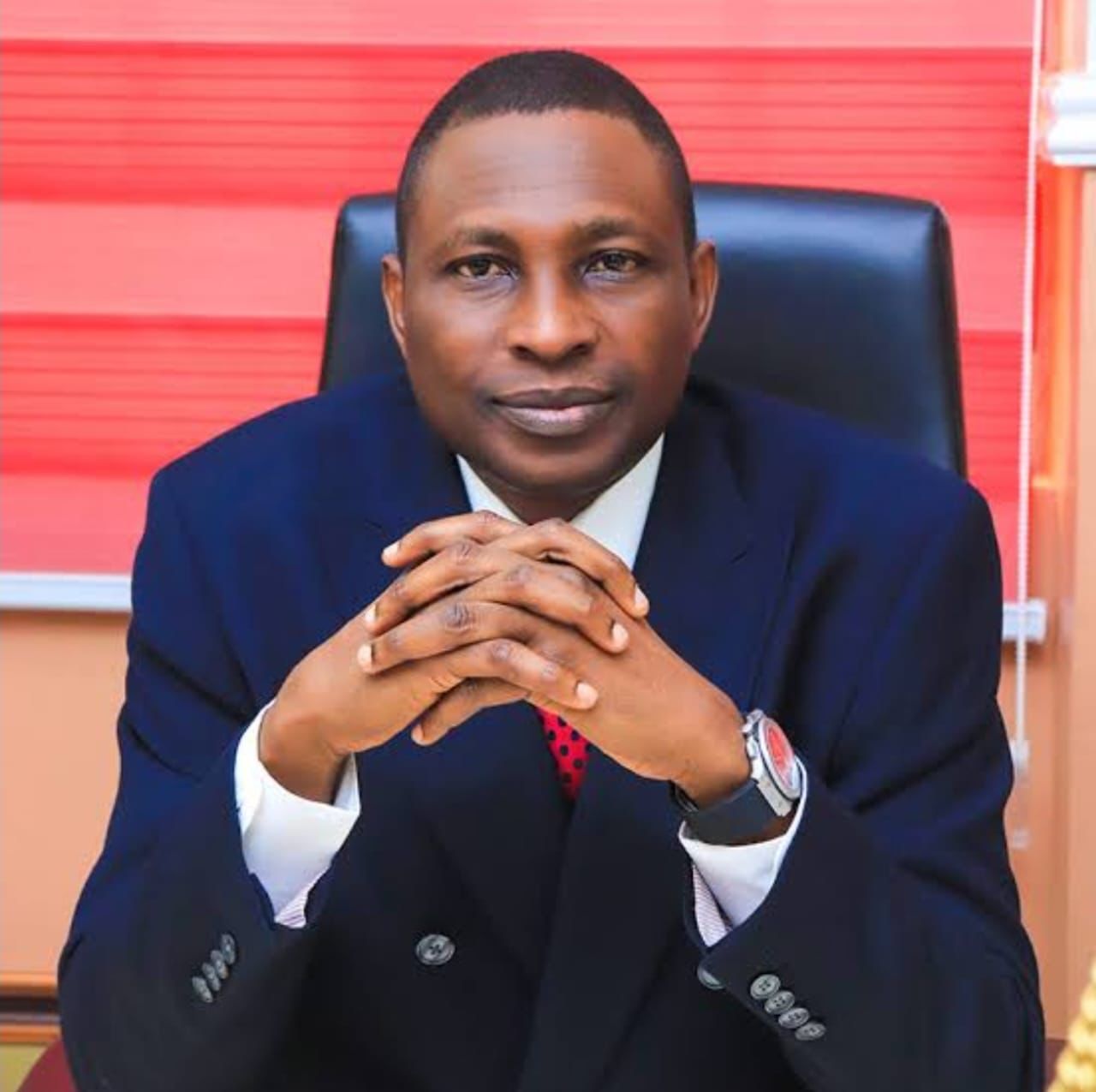
Last week, President Bola Tinubu granted approval for the appointment of Mr. Ola Olukoyede as the Executive Chairman of the Economic and Financial Crimes Commission (EFCC). This appointment is initially for a renewable term of four years, pending confirmation by the Senate…CONTINUE READING

Olukoyede’s entry into the role as the new EFCC chief comes nearly four months after the suspension of the previous head of the anti-graft agency, Mr. Abdulrasheed Bawa.
The announcement of Olukoyede’s appointment came following the resignation of the suspended Executive Chairman, Mr. Abdulrasheed Bawa, as stated in a release by the Special Adviser to the President on Media and Publicity, Ajuri Ngelale.
Leading the nation’s anti-corruption agency has historically been challenging, with no EFCC chairperson experiencing an easy term.
Additionally, there have been allegations that the office has been used by sitting presidents as a tool to target political adversaries.
Olukoyede faces the formidable task of reshaping the agency, particularly in response to recent practices, such as late-night home raids and media trials, which have been widely viewed as outdated and counterproductive.
Criticism has been directed at the EFCC for not extending its raids to the residences of prominent individuals or politicians in the early morning hours.
Some Nigerians have proposed that the EFCC should adopt a more technology-driven approach to ensure greater accountability among high-profile individuals, especially those with political influence, for their involvement in the misappropriation of the nation’s resources.
Olu Omotayo, the President of the Civil Rights Realisation and Advancement Network (CRRAN) and a legal expert, expressed hope that the new EFCC boss would restore confidence and credibility in the agency.
Omotayo highlighted concerns that the EFCC had started to operate in a manner resembling other security agencies and criticized the practice of soliciting funds for mobilization before conducting investigations.
He stressed that the EFCC could not effectively combat corruption with such an approach and called for a more focused effort to regain public trust and confidence.
According to him, individuals from all walks of life, particularly those in need, should be able to approach the EFCC to file complaints, which would then be properly investigated.”


Orezi Draws The Line, Threatens To Cut Off Friends Supporting Lindsay Clancy

British Army Soldiers Injured On Duty Set For Major Compensation Benefits

Lady Breaks Silence After Receiving ₦770,000 NYSC Allowance Instead Of ₦77,000

Arthur Okonkwo Gets Super Eagles Invitation For AFCON Qualifier

Drama As Amotekun Arrests Man Who Reported His Siblings Missing

THE 18,439-VOTE MISSION WHY WADADA COULD BE TINUBU’S NASARAWA GAME CHANGER

Cement Hits ₦15,000: FCCPC Demands Answers From Dangote, BUA, Other Producers

Ronke Oshodi-Oke Reveals Funke Akindele’s Hidden Side Despite Her ‘Strict’ Nature

Drama As Oluebube Reveals Why She Attended APC Campaign Event
