
Latest
Cooking Gas Price Rises Again As Nigerians Feel Fresh Pressure At The Market

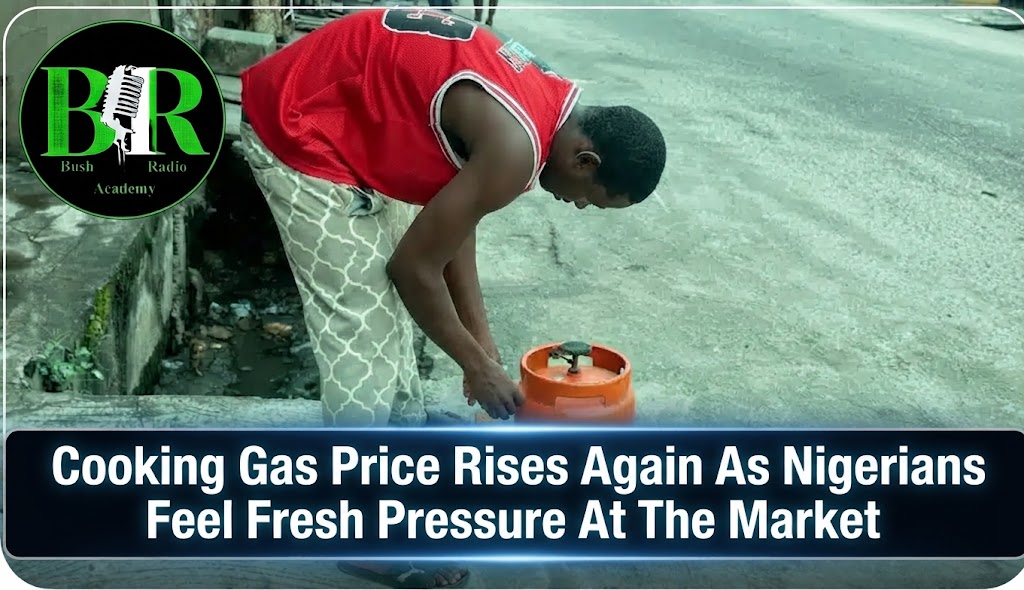
The price of Liquefied Petroleum Gas (LPG), popularly known as cooking gas, remains a major concern for Nigerian households as the rising cost of essential commodities continues to put pressure on family budgets.
Based on the latest available price figures, cooking gas is currently selling for about ₦1,250 per kilogramme, although the actual amount paid by consumers may vary depending on location, supplier, transportation costs and other market factors.
At the current rate, a 1kg refill costs approximately ₦1,250, while 3kg goes for about ₦3,750. A 5kg cylinder costs around ₦6,250, while consumers purchasing 10kg may pay approximately ₦12,500.
For larger household cylinders, a 12kg refill is estimated at ₦15,000, while 12.5kg costs about ₦15,625.
According to Bush Radio Academy, the figures are based on the prevailing rate of ₦1,250 per kilogramme and should be regarded as indicative, as retail prices can differ significantly across different parts of the country.
Several factors continue to influence the price of cooking gas in Nigeria, including fluctuations in the naira exchange rate, transportation expenses, supply conditions, international energy prices, depot prices and retailer margins.
Foreign exchange movements remain an important factor because the domestic LPG market is exposed to international market conditions and imported supplies. Changes in the value of the naira against the dollar can therefore increase the cost of LPG across the supply chain.
Transportation and logistics costs also contribute significantly to the final price paid by consumers. LPG is transported from terminals and depots to filling plants and retail outlets, meaning higher diesel prices, haulage charges, poor road conditions and long distances can increase operating costs.
Supply and availability are equally important. When LPG supplies become limited while demand remains high, marketers and retailers may increase their prices. Improved supply, on the other hand, can ease prices in some markets.
Global energy prices also have an impact on the Nigerian market. Changes in international LPG and crude oil prices, as well as supply disruptions and geopolitical developments, can eventually influence domestic prices.
Depot and ex-depot prices are another major component of the retail cost. When marketers purchase LPG at higher prices, the additional expense may be passed down to consumers. However, a reduction in depot prices may not immediately translate into a similar reduction at retail outlets because other costs remain within the distribution chain.
Seasonal demand can also affect prices, particularly during festive periods when household consumption tends to increase. A sudden rise in demand can place additional pressure on available supplies and transportation networks.
Location and retailer operating costs further explain why consumers in different parts of Nigeria may pay different prices for the same quantity of cooking gas. Retailers have to cover expenses such as rent, staff wages, equipment maintenance, loading charges and transportation, all of which can influence the final selling price.
With these factors constantly changing, consumers are advised to compare prices among nearby accredited retailers before purchasing, as the cost of cooking gas may differ from one location to another.


US Announces 2 Family Visa Options For Foreigners Seeking Permanent Residence

I’m Far Better Than Her — Jarvis Reacts After Meeting Woman Who Body-Shamed Her

Cooking Gas Price Rises Again As Nigerians Feel Fresh Pressure At The Market

Tinubu Reveals Why Military Force Alone Cannot End Insecurity In North Central

Honest Ahanor Makes EPL History As Chelsea And Palace Announce Him On Same Day

WHY OKPEBHOLO KNOWS WHAT HE IS SAYING ABOUT TINUBU’S 2.5 MILLION VOTES

Fake Agency Scandal: ICPC Recommends Punishment for 13 Officials — See Full List

APC Crisis? Ojudu Blasts Tinubu Campaign Council List, Raises Fresh Concerns

Was The Sacrifice Worth It?” – El-Rufai’s Son Reveals What Father Told Him In Detention
