
Latest
Fresh Blow For Nigerians As Cooking Gas Price Jumps 8.3% To ₦1,300/kg

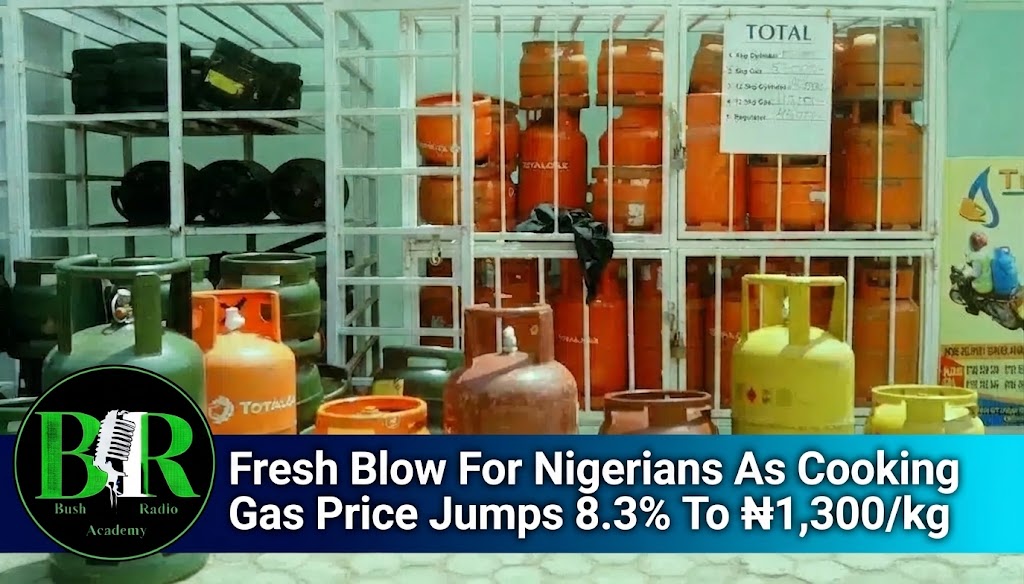
The price of Liquefied Petroleum Gas, commonly known as cooking gas, has increased to about ₦1,300 per kilogramme in Lagos, representing an 8.3 per cent rise from the ₦1,200 recorded in August 2026.
According to Bush Radio Academy, checks across Lagos showed that the price varies from one gas outlet to another. Accredited outlets were found to be selling a kilogramme for around ₦1,300, while some smaller plants were charging between ₦1,350 and ₦1,400, depending on their location.
Gas dealers also indicated that prices could be higher in some other parts of the country, adding to concerns over the rising cost of the household energy source.
The National President of the Nigerian Association of Liquefied Petroleum Gas Marketers, Inyang Edu, attributed the increase to several factors affecting the LPG supply chain rather than a single cause.
Edu pointed to global geopolitical tensions and volatility in international energy markets as some of the factors influencing the cost of the commodity. He explained that international energy prices, shipping and insurance expenses, foreign exchange exposure, domestic transportation and the availability of LPG in Nigeria all contribute to the final price paid by consumers.
According to him, the impact is being felt across the entire supply chain, from depots to gas plants and eventually to households.
“The immediate consequence is that the cost of LPG has increased along the entire supply chain—from the depot to the LPG plant and ultimately to the consumer,” Edu said.
He explained that when the replacement cost of LPG rises at the depot, marketers may be unable to maintain previous retail prices without incurring losses.
Edu further noted that expenses relating to transportation, loading, financing, plant operations, personnel, maintenance and other logistics must also be factored into the final cost of the product.
The latest increase means households that rely heavily on cooking gas are facing another rise in the cost of meeting their everyday cooking needs, with prices varying according to location and the type of outlet.


Carabao Cup Shock: Fleetwood Town Draw Arsenal In Historic Fourth-Round Clash

Lady Shares Emotional Before-And-After Journey, Says Marriage Nearly Took Her Spark

It’s Harder For Female Artistes To Blow — Fave Reveals Industry Struggles

Constitutional Reform: N’Assembly Moves 2026 Amendment Bill To 36 States

Nasarawa 2027: Musa Shugaba-Abdullahi Emerges As NDC Governorship Candidate

Wedding Cancelled Man Walks Away After Fiancée’s Mother Says He Is Marrying Down

Fake Miracle Exposed! Nollywood Actor Reveals How He Was Paid To Stage One

I’ll Pay All The Wedding Bills — 41-Year-Old Woman Makes Bold Marriage Offer Online

Drama As Parents Defend Son Accused Of Stealing, Only To Be Shown Shocking Video Evidence
