
Inside The Legal Battle Over Alleged Abuse At Chicago Youth Detention Facilities
 Follow us on Google News
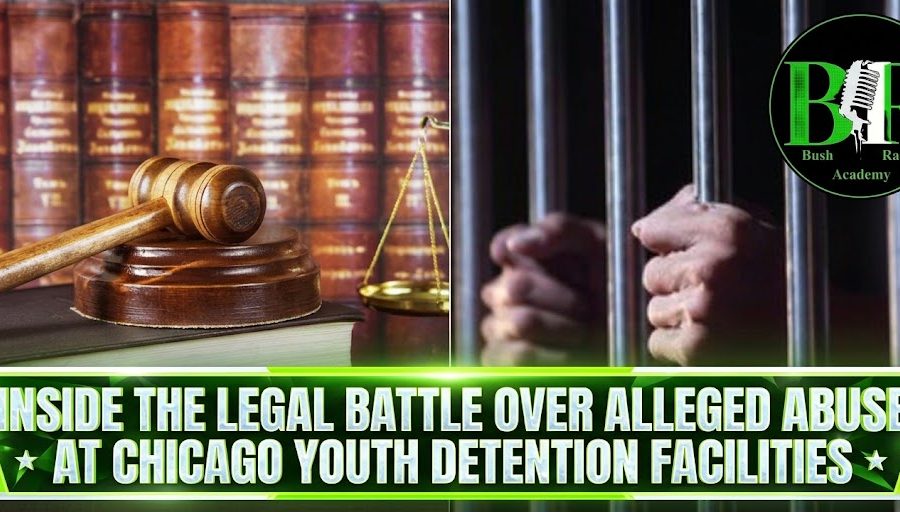
Concerns over abuse in youth detention facilities in Chicago have highlighted the lasting impact that mistreatment in custody can have on young people, including their education, family relationships, physical health and emotional well-being after release.
According to Bush Radio Academy, civil lawsuits may provide survivors and their families with a legal avenue to document alleged abuse, examine institutional responsibility and seek compensation for harm suffered while in detention.
An Illinois Youth Center Chicago abuse lawsuit may focus on whether detention staff, supervisors, government agencies or other responsible parties failed to protect young people in their care. Such cases may involve allegations of sexual abuse, physical assault, emotional harm, neglect, retaliation or inadequate medical treatment.
Evidence considered during legal proceedings may include incident reports, medical records, staff schedules, complaints, witness statements, surveillance footage and internal communications. These materials may help establish whether facility officials were aware of potential dangers and whether appropriate measures were taken to protect residents.
Responsibility may extend beyond the individual accused of directly causing harm. Depending on the circumstances and available evidence, a civil claim may examine the actions of administrators, supervisors, contractors or healthcare providers whose decisions allegedly contributed to unsafe conditions or failed to prevent foreseeable harm.
Legal claims involving youth detention facilities can also present challenges because government entities and confidential juvenile records may be involved. Survivors and their families may need to navigate specific legal procedures governing access to evidence, privacy protections and filing deadlines. The applicable requirements depend on the nature of the claim, the age of the survivor and the parties involved.
Another challenge is delayed disclosure. Survivors may hesitate to report abuse because of fear, shame, threats, confusion or dependence on detention staff for basic needs and medical care. Delayed reporting does not, by itself, establish that an allegation is false, and each case must be assessed on its available evidence.
Civil proceedings may also examine the long-term consequences of alleged mistreatment, including the need for counselling, medical treatment, educational support and compensation for emotional distress or lost earning opportunities. Any damages awarded would depend on the evidence, applicable law and the circumstances of the individual case.
Families may encounter difficulties obtaining information about incidents that occurred inside detention facilities. Keeping records of relevant dates, reported incidents, symptoms, medical appointments and communications with officials may help preserve information that could become important during a legal investigation.
Through the discovery process, parties involved in a lawsuit may obtain relevant documents, submit written questions and request sworn testimony, subject to applicable legal rules. Such evidence can help establish whether individual misconduct, inadequate supervision or broader institutional failures contributed to the alleged harm.
Some civil claims are resolved through settlements, while others proceed to trial. The appropriate course depends on the evidence, legal risks, privacy concerns and the survivor’s objectives. No particular outcome or compensation amount can be guaranteed.
Beyond individual cases, legal action may draw attention to detention conditions, encourage closer oversight and prompt institutions to review their safeguarding policies. However, allegations must be assessed individually, and liability can only be established through the applicable legal process.
Ultimately, civil claims arising from alleged abuse in youth detention are intended to provide a framework for examining evidence, pursuing accountability and addressing the consequences of harm. Protecting survivors’ privacy, handling sensitive information carefully and complying with legal deadlines remain important throughout the process.







Comments
0 comments