
Politics
Nigerian Public Reacts to El-Rufai’s Alleged Withdrawal from Ministerial Appointment

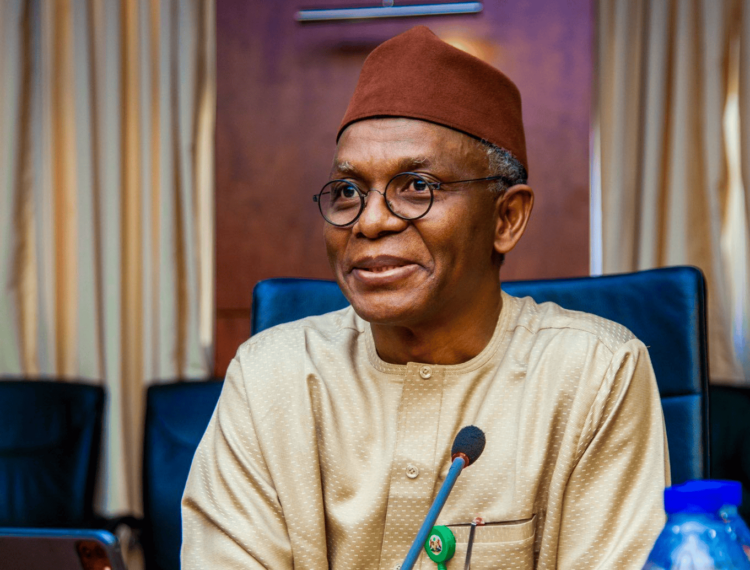
Nigerian Public Reacts to El-Rufai’s Alleged Withdrawal from Ministerial Appointment
In a twist of events that has captured the attention of Nigerians nationwide, Nasir El-Rufai, the former Governor of Kaduna State, has reportedly withdrawn from consideration for a ministerial appointment in President Bola Tinubu’s cabinet. The news has prompted a diverse array of reactions from citizens across the country, highlighting the deep-rooted interest Nigerians have in the political landscape and the potential implications of such a decision. CONTINUE READING.
El-Rufai’s purported withdrawal comes as a surprise to many, considering his reputation as a dynamic and forward-thinking politician. Known for his pragmatic approach to governance, he was seen by some as a potential game-changer in addressing Nigeria’s most pressing challenges, particularly the longstanding power crisis. His commitment to achieving a seven-year timeline for resolving power outages resonated with a public weary of frequent electricity shortages.
Among the population, there are those who express genuine disappointment at the news. They believed that El-Rufai’s entry into the administration would have ushered in a new era of innovative policies and approaches to longstanding issues. His track record of pushing for reforms and his vision for a more efficient and productive Nigeria had generated high hopes among citizens who were yearning for tangible change.
However, there is also a segment of Nigerians who view this development with a healthy dose of skepticism. The timing of El-Rufai’s alleged withdrawal, coming after the Senate withheld his confirmation, has led to speculations about the hidden dynamics at play. Some citizens speculate that there might be unseen forces exerting pressure on the political stage, leading to decisions that are not immediately clear to the public. This has ignited debates on social media and other online platforms, where users dissect and analyze the possible reasons behind the withdrawal.
In this age of information and connectivity, Nigerians have taken to social media to voice their concerns and opinions. The lack of transparency and accountability in the political process has been a common refrain, with citizens demanding more clarity from both El-Rufai and President Tinubu’s camps. Many are calling for greater openness in the nomination and confirmation of government officials to quell rumors and foster trust.
Critics of the administration argue that this incident is indicative of wider systemic issues within Nigeria’s political framework. The withdrawal of a candidate of El-Rufai’s stature has further fueled skepticism about the government’s capacity to effectively tackle critical challenges. Calls for reforms in the selection process and increased public participation in decision-making have gained momentum, as citizens seek ways to strengthen their democracy.
While the details surrounding El-Rufai’s alleged withdrawal remain shrouded in uncertainty, one thing is clear: the incident has sparked a passionate national discourse. Nigerians are eagerly awaiting official statements from both sides to shed light on the situation. The episode has underscored the intricate interplay of power, politics, and governance, leaving citizens contemplating the direction the country’s leadership and development will take in the coming years.


Kebbi 2027 Twist: Court Speaks On Move To Remove Malami As ADC Governorship Candidate

Makinde Unveils Two High-Tech Surveillance Aircraft Worth ₦7.76 Billion

Very Arrogant!’ — DeeOne Slams Davido Over Soso Soberekon’s Wedding Snub

Stop Blaming APC!’ — Yilwatda Speaks On Peter Obi’s Political Moves

Davido Is Ungrateful!’ — Gov. Aide Slams Singer Over Soso Soberekon Snub

Fear Grips Kidnappers, Bandits as Okpebholo Deploys 497 Forest Guards Across Edo

Fresh Details Emerge On Operation That Led To PFIPC ‘Fake DG’ Adeyemi’s Arrest

El-Rufai’s Medical Report Sparks Fresh Crisis As MDCAN Probes Doctor, ICPC Files Charges

Why Is It Not Implemented?’—Lawmaker Blasts FG Over 2025 Budget Delay
