
Latest
“Nigeria’s Economy Shows Signs of Relief: Inflation Drops and FX Market Stabilising – CBN Reveals

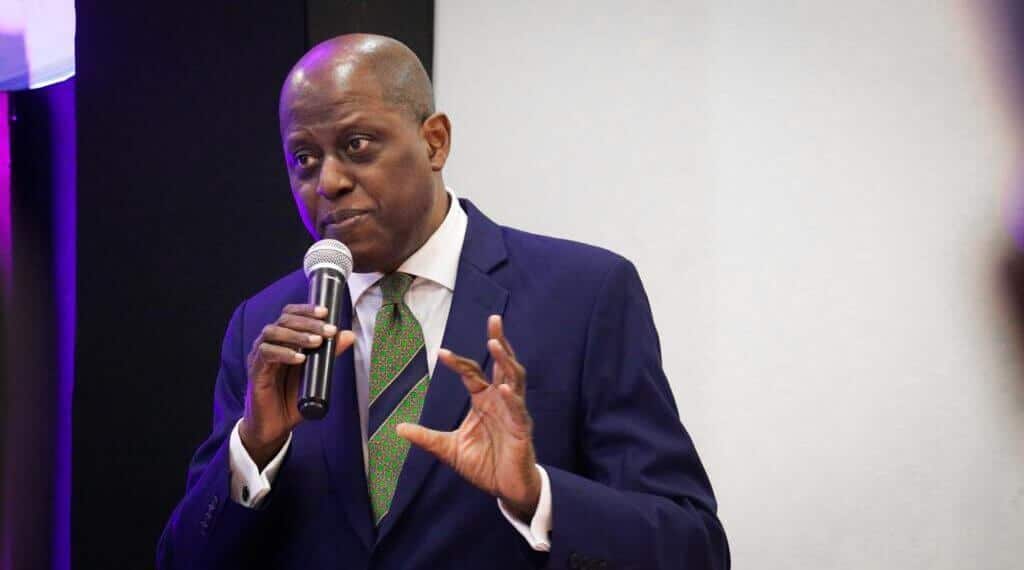
Nigeria’s economy is showing strong signs of recovery, according to Central Bank of Nigeria (CBN) Governor Olayemi Cardoso, who says the country has entered a more stable phase following two years of extensive monetary reforms.....KINDLY READ THE FULL STORY HERE▶
Speaking at the 60th Annual Bankers Dinner of the Chartered Institute of Bankers of Nigeria in Lagos, Cardoso declared that the nation has “turned a decisive corner” in its reform journey. He highlighted that easing inflation, a steadier foreign exchange (FX) market, and growing investor confidence signal an economy regaining equilibrium.
The Governor noted that the Bank’s adoption of conventional monetary policies, coupled with firmer regulatory oversight, is gradually correcting long-standing economic distortions. Inflation, which peaked at 34.6% in November 2024, has fallen to 16.05% as of October 2025, with food inflation dropping to 13.12% from nearly 22% earlier in the year. Cardoso emphasized that the CBN will continue adjusting policy tools to bring inflation closer to single-digit levels.
On the FX market, Cardoso revealed that the CBN has fully cleared the multi-billion-dollar backlog inherited from the previous administration, previously estimated at over $7 billion. This has restored confidence among foreign airlines, manufacturers, and portfolio investors. Key reforms, including the unification of exchange rates, the introduction of the Electronic Foreign Exchange Management System, and the Nigerian FX Market Conduct Code, have reduced opacity, discouraged arbitrage, and allowed the naira to trade within a tighter range. The gap between official and parallel market rates has narrowed to below 2%, a vast improvement from the over 60% divergence seen in the past.
Investor inflows have surged, reaching $20.98 billion in the first ten months of 2025—a 70% increase compared to all of 2024. Nigeria’s external reserves have rebounded to $46.7 billion, the highest in nearly seven years, providing more than ten months of import cover. Cardoso stressed that this growth stems from stronger FX liquidity, non-oil exports, and rising diaspora remittances rather than new borrowing.
He also updated on the financial system, noting that bank recapitalization is progressing well. Twenty-seven banks have raised new capital, and sixteen have met or exceeded the new thresholds ahead of the March 31, 2026 deadline. Stress tests confirm the system remains broadly resilient. The CBN has also strengthened oversight of ATMs and POS agents, revised branch closure rules, and completed a full review of the cash distribution network.
Cardoso highlighted Nigeria’s removal from the Financial Action Task Force grey list as a significant milestone, easing compliance pressures on correspondent banks and boosting global confidence. He also noted rapid growth in digital payments and fintech, with over 12 million contactless cards issued, more than 40 innovators in the regulatory sandbox, and deeper interoperability across switching companies. The CBN will continue to support fintech innovation while ensuring consumer protection and financial stability.
Global rating agencies have recognized Nigeria’s progress: Fitch upgraded the country from B- to B with a stable outlook, Moody’s moved from Caa1 to B3, and S&P revised its outlook from stable to positive.
Looking ahead to 2026, Cardoso outlined priorities including strengthening bank resilience, improving price stability through refined inflation targeting, expanding digital payments, enhancing fintech oversight, modernizing CBN operations, and building stronger domestic and international partnerships.
He concluded on an optimistic note, saying Nigeria is now better equipped to withstand external shocks, supported by a flexible exchange-rate regime, rising non-oil exports, a growing services sector, and strengthened reserves.


I’ll Never Reveal My Salary” — Nancy Isime Sparks Debate On Money And Relationships

EFCC Drags Ex-Kaduna Government Official Back To Court Over ₦16m Fraud Case

INEC Seals June 20 Bye-Election Results With Certificate Of Return Presentation

Fresh Bulldozer Alert: Wike Orders Immediate Demolition Of Abuja Properties

Fresh Storm In Borno Politics As Opposition Questions ₦4bn Ghost” Rail Allocation

Family Speaks: How General Abubakar Died, Reveals Wife Still In Bandits’ Captivity

Sh*cking Police Shake-Up As Oyigbo DPO Is Removed Over ₦500,000 Bribery Allegation

Dollar To Naira Sh*ck: Fresh Exchange Rate Revealed For June 21, 2026

Etinosa Reacts To Viral Concerns About Her Neck Size, Says She Is Healthy
