
Latest
Odumeje Tackles Federal Government Over Onitsha Bridge, Demands Urgent Action

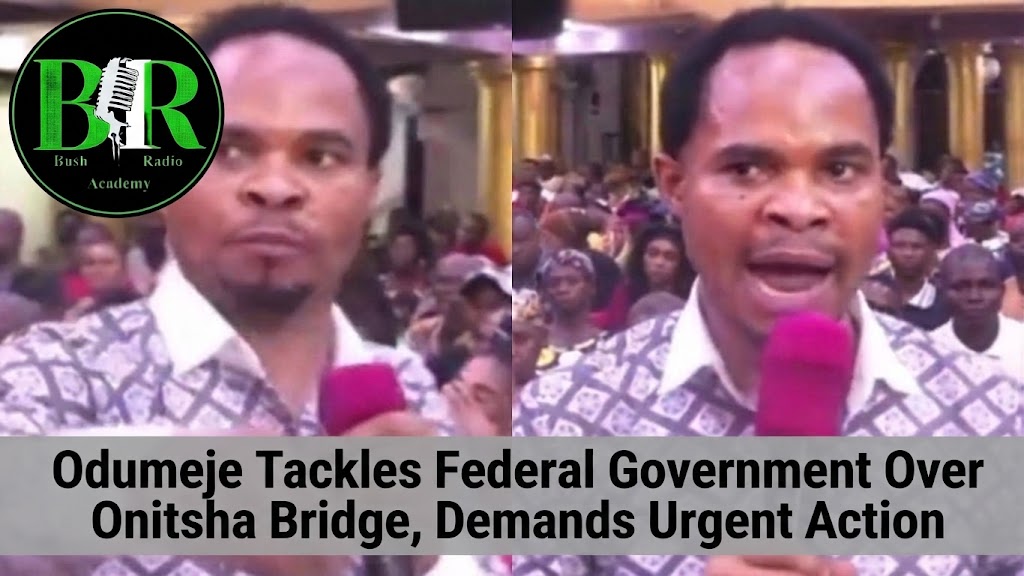
Popular Nigerian cleric, Pastor Chukwuemeka Odumeje, has criticised the Federal Government over the ongoing rehabilitation of the First Niger Bridge in Onitsha, accusing the authorities of playing politics with the project.
Odumeje made the remarks during a sermon, claiming that the decision to commence the repairs was influenced by the approaching 2027 general elections. He also questioned the amount reportedly allocated to the project and expressed concern over how long the bridge could remain closed once the rehabilitation work begins.
According to Bush Radio Academy, the cleric alleged that the Federal Government had waited until the election period was approaching before taking action on the bridge.
“Federal Government has come to play politics with Onitsha Head Bridge. That is why, now that the election is close, they have come to repair it. If you hear how much they budgeted for that, you will be shocked. Before you know it, it will take too long to reopen,” he said.
The Federal Government announced the temporary closure of the First Niger Bridge from September 7 to September 21, 2026, to allow emergency maintenance and rehabilitation works. Officials said the intervention became necessary because of deterioration on the bridge’s carriageway and damage to some structural components caused by vandalism.
The rehabilitation is expected to include the removal of the deteriorated asphalt surface and the laying of a new asphalt wearing course, alongside other maintenance and safety measures. The Federal Ministry of Works also said solar-powered streetlights and CCTV cameras would be installed as part of efforts to improve security and prevent further vandalism.
Odumeje also turned his attention to political leaders from the South-East, accusing some of the region’s elites of making statements about its challenges without doing enough to address them.
The cleric further expressed concern over what he described as the absence of an embassy in the South-East, arguing that residents who require visa services often have to travel to Abuja or Lagos to access such facilities.
“It’s so shameful that in 2026, there is no embassy in the South-East. Before anyone can get a visa, he or she must travel to Abuja or Lagos. When we talk about one Nigeria, every major tribe should have at least one seaport and one international embassy,” he said.
Odumeje questioned the level of political representation and influence of South-East elites in addressing the region’s infrastructure and institutional concerns.
His comments have added to the ongoing debate over infrastructure development, federal projects and the distribution of government institutions across Nigeria’s regions, coming as rehabilitation work continues on the First Niger Bridge. The Anambra State Government has said traffic and security measures are being implemented around the bridge during the intervention, while motorists have been advised to use alternative routes, including the Second Niger Bridge.


Major Travel Update: Canada Lists 17 Countries Eligible For Easier eTA Entry

This Girl Must Not Be Bullied — Feminist Breaks Silence, Challenges OPay And Police

2027: Adebayo Drops Bombshell On Wike, Reveals What He Would Do If He Becomes President

Sowore Fires Fresh Warning At Governors, Promises To Redirect Their Funds If Elected In 2027

I’ll Crash Their Prices — Verydarkman Storms China Over Inflated iPhone 18 Prices

THE 18,439-VOTE MISSION WHY WADADA COULD BE TINUBU’S NASARAWA GAME CHANGER

Fake Miracle Exposed! Nollywood Actor Reveals How He Was Paid To Stage One

KWARA IS NOT RIVERS—BUT INJUSTICE HAS NO STATE OF ORIGIN

Drama As Oluebube Reveals Why She Attended APC Campaign Event
