
Presidency Warned: Don’t Call It A Coup — Inside The Tense Military Plot Allegations Rocking Aso Rock
 Follow us on Google News
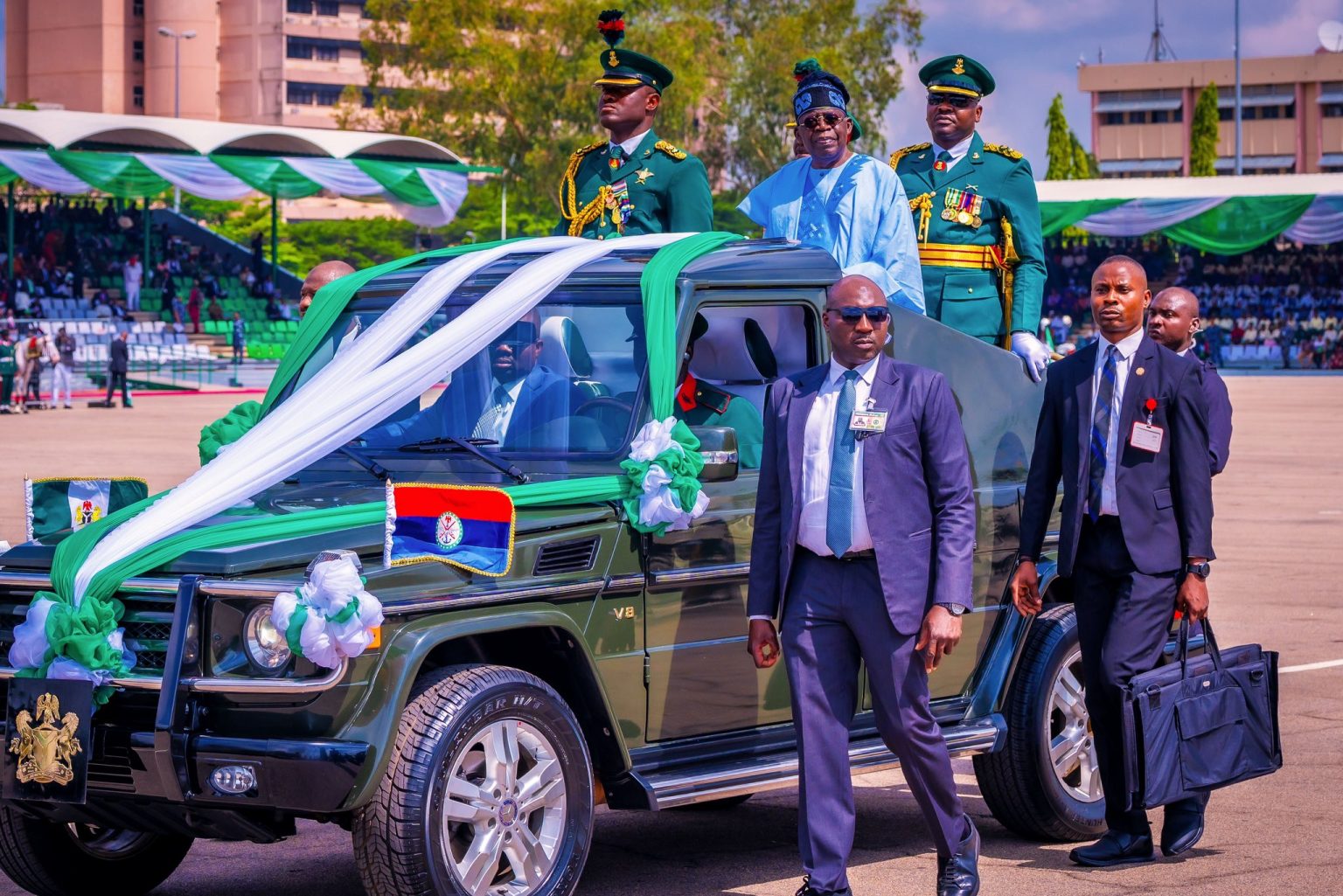
Fresh details have emerged explaining why the Federal Government adopted a measured tone in its response to the recently uncovered alleged plot to destabilise President Bola Tinubu’s administration. The decision reportedly followed legal advice from one of the President’s most trusted cabinet members.
According to credible government and security sources cited by PRNigeria, a senior legal expert within the Presidency — known for advising on constitutional and national security issues — cautioned officials against publicly describing the incident as a “coup attempt.”
The advisory reportedly came soon after intelligence operatives at the Defence Headquarters (DHQ) intercepted what was initially suspected to be a coordinated plan involving some military officers and their civilian associates.
A top security official explained, “The counsel from the Presidency was explicit — avoid sensational language until investigations are concluded. Labeling it a coup could trigger panic, alert suspects, and complicate any future legal process.”
The legal adviser further warned that prematurely branding the case a coup without solid proof could have serious legal, psychological, and operational consequences for both the armed forces and the government.
Investigators were therefore instructed to gather irrefutable evidence before making any public statements, to ensure that prosecutions would not be undermined by early disclosures.
Another source noted, “They needed concrete evidence before speaking out. A hasty announcement could have jeopardised surveillance and prosecution efforts.”
PRNigeria also reported that the restrained communication strategy was intended to prevent potential collaborators — within and outside the military — from fleeing once the story broke. At the time, intelligence agencies were still tracking financial transactions and communication links tied to the detained officers.
An insider added, “The leadership wanted to quietly monitor these networks before making arrests or public statements.”
The military’s discreet approach was also influenced by concerns over the mental state of some detained officers, a few of whom reportedly had prior disciplinary issues.
A senior official explained, “Handling the matter quietly was essential to safeguard the military’s institutional integrity. The restraint was deliberate — the leadership didn’t want to create panic or send negative signals to international partners.”
DHQ Initially Downplayed Incident as “Indiscipline”
Following this strategic caution, the Defence Headquarters initially characterised the arrests as cases of “indiscipline” and “professional misconduct,” rather than an outright coup attempt. However, the subdued press release reportedly caused public confusion until media investigations revealed more details.
Both the Federal Government and the Defence Headquarters have since reaffirmed their unwavering commitment to democratic governance and constitutional order.





Comments
0 comments