
Scandal Exposed: Dangote Accused Of Importing petrol With 13× legal sulphur levels From UK
 Follow us on Google News
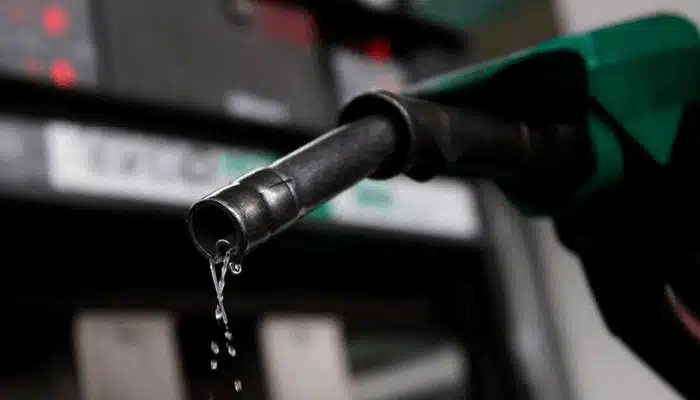
A new wave of controversy has hit the Dangote Petroleum Refinery following emerging evidence suggesting that the multibillion-dollar facility may have imported petrol with an excessively high sulphur content—commonly referred to as “dirty fuel”—from the United Kingdom. The revelation has sparked concerns about product quality, environmental safety, and weak regulatory enforcement.
According to SaharaReporters, documents obtained by the outlet indicate that the shipment, described as High-Sulphur Catalytic Gasoline, contained 690 parts per million (ppm) of sulphur—13 times higher than Nigeria’s legally permitted limit of 50 ppm, as outlined under the nation’s Clean Fuels Policy.
A senior industry source revealed that a vessel, MT Clearocean Mary, was due to arrive at Dangote’s offshore terminal on October 9, 2025, carrying about 37,000 metric tonnes (roughly 49.6 million litres) of petrol reportedly loaded from the Phillips 66 Refinery in Immingham, UK.
“The cargo came from the Humber Refinery and contains 690 ppm of sulphur—that’s way above Nigeria’s environmental standard,” the source confirmed.
Nigeria’s 50 ppm cap, introduced under the Petroleum Industry Act (PIA), aims to curb vehicle emissions and safeguard public health. The Nigerian Midstream and Downstream Petroleum Regulatory Authority (NMDPRA) is responsible for enforcing this standard.
The insider further alleged that the refinery’s Fluid Catalytic Cracking (FCC) unit, responsible for converting heavy crude into petrol, is currently non-functional.
“The FCC isn’t working, but Dangote keeps shifting blame—quarrelling with DAPPMAN, NUPENG, and PENGASSAN—to hide the real issue,” the source alleged.
In September 2025, workers’ unions NUPENG and PENGASSAN staged a strike at the refinery, accusing management of mass layoffs and replacing Nigerian workers with expatriates.
The source added that instead of refining locally, the company allegedly imports high-sulphur petrol and sells it as if it were produced domestically.
“He brings in the product, sells it to the public, and disguises it as locally refined petrol. Nigeria allows only 50 ppm, but he imported 690 ppm,” the insider said.
Leaked Certificate Allegedly Confirms High Sulphur Levels
A Certificate of Quality issued by Phillips 66 Limited, operators of the Humber Refinery, reportedly confirms that a cargo of High-Sulphur Catalytic Gasoline was loaded for Dangote Nigeria on September 21, 2025, aboard the MT Clearocean Marigold.
The document, numbered MFG-250923-00016 and dated September 23, 2025, detailed lab test results of the shipment. Though the product appeared “clear and bright,” the sulphur concentration stood at 690 ppm, far exceeding Nigeria’s approved limit.
Other key test data included:
-
Density (15°C): 0.7375 kg/litre
-
Boiling Range: 49°C–155°C
-
Research Octane Number (RON): 92.3
-
Motor Octane Number (MON): 79.3
-
Vapour Pressure: 33 kPa
The fuel also tested positive for mercaptans, sulphur compounds known to cause odour and corrosion, and recorded a NACE grade C for corrosivity—signifying moderate corrosion potential.
An independent analysis by SaharaReporters concluded that the product was not suitable for direct retail sale and would require further desulphurisation before use.
The certificate, signed by Chris J. Harper of the refinery’s quality assurance department, confirmed that all tests complied with ASTM International standards, including D86, D4052, D2699/2700, D3227, and D6839.
Dangote Yet to Respond as Pressure Mounts
Efforts to reach Anthony Chiejina, Chief Corporate Communications Officer of Dangote Group, were unsuccessful as calls and messages reportedly went unanswered.
The $19 billion Dangote Refinery, inaugurated in May 2023, was hailed as a game-changer for Nigeria’s energy independence, boasting a processing capacity of 650,000 barrels per day—the largest in Africa.
However, industry tracker IIR reported in August 2025 that the refinery had planned a shutdown of its Residue Fluid Catalytic Cracking (RFCC) unit due to catalyst-loss issues that significantly reduced output.
Energy and environmental experts have since warned that the alleged importation of high-sulphur petrol could worsen Nigeria’s air pollution crisis.
“This is a serious public health concern,” an analyst said. “High-sulphur petrol emits sulphur dioxide, contributing to smog, acid rain, and respiratory illnesses.”
Nigeria’s history with “dirty fuel” imports dates back to 2016, when European refineries offloaded high-sulphur petrol into West African markets. Despite subsequent clean fuel regulations, enforcement has remained weak.
As of October 10, 2025, both the NMDPRA and the Federal Ministry of Environment have yet to issue an official statement on the matter.







Comments
0 comments