
Latest
This Is Our Major Problem’ – Okonjo-Iweala Speaks On Nigeria’s Maintenance Culture

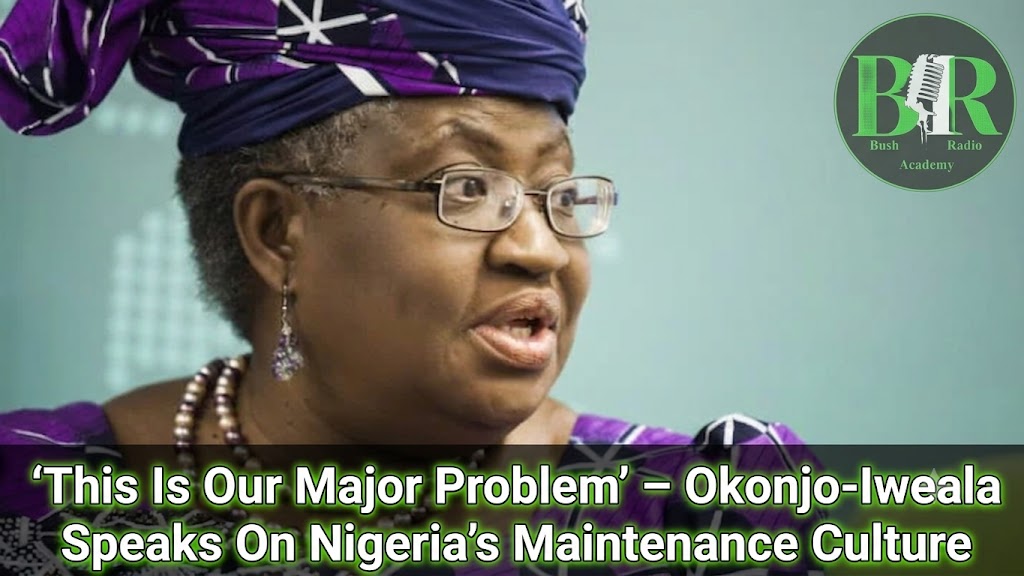
The Director-General of the World Trade Organization (WTO), Ngozi Okonjo-Iweala, has said Nigeria’s poor maintenance culture remains a major obstacle to sustainable development, stressing that natural resources and annual budget allocations alone cannot guarantee economic progress.
Speaking on Monday while delivering the keynote address at the 2026 Delta State Economic and Investment Summit in Asaba, the WTO chief urged governments to prioritise effective execution, infrastructure maintenance and strategic investment to unlock the country’s full economic potential.
The summit, themed “Harnessing Our Strengths, Unlocking Our Potentials,” brought together government officials, investors and business leaders to discuss strategies for accelerating Delta State’s economic growth.
Okonjo-Iweala noted that development depends not only on funding but also on proper implementation and the ability to preserve public infrastructure.
“The fact is that endowments alone do not add value. Budgetary allocations alone do not lead to new roads or good maintenance.
“We lack a maintenance culture in the country. I have to say that. I’m Nigerian but we need that.
“We need better ports and digital infrastructure, and lower trade costs. Execution is what matters, and successful execution requires focus. It requires prioritisation.”
She encouraged the Delta State Government to position the state as a leading destination for manufacturing, skilled labour and investment by creating an environment where businesses can flourish and industries can compete globally.
According to her, Delta possesses the natural resources, strategic location, infrastructure and human capital needed to emerge as one of Nigeria’s foremost industrial hubs.
The WTO Director-General also urged the state to invest in industries that create jobs, strengthen local value chains and equip young people with skills required for emerging sectors of the economy.
Commending Governor Sheriff Oborevwori, Okonjo-Iweala praised the state’s proposed $100 million Viability Gap Fund, describing it as a practical initiative capable of reducing investment risks and attracting greater private sector participation.
She said the fund could boost investor confidence and help convert investment commitments into viable projects that would stimulate economic growth across the state.
Okonjo-Iweala further advised the government to prioritise strategic sectors such as Special Economic Zones, industrial infrastructure, agriculture, the blue economy, oil and gas, digital technology and artificial intelligence.
However, she cautioned against spreading resources across too many sectors, urging the state to concentrate on value chains where it enjoys clear competitive advantages.
She also stressed the importance of improving infrastructure, energy supply and regulatory efficiency to attract both local and foreign investors.
Highlighting global economic trends, the WTO chief observed that geopolitical tensions, climate-related disruptions and changing supply chains present both challenges and opportunities for economies willing to diversify.
She said the implementation of the African Continental Free Trade Area (AfCFTA) and the global search for alternative supply chains provide Delta State with an opportunity to position itself as a competitive investment destination.
Okonjo-Iweala also called for stronger collaboration between the Delta State Government and the Federal Government, noting that while the federal authorities are responsible for macroeconomic stability and national policies, states must create business-friendly environments that encourage investment and job creation.
She pointed to the Lekki Free Zone in Nigeria and the Glo-Djigbé Industrial Zone in the Republic of Benin as successful models that Delta could study in developing globally competitive Special Economic Zones.
According to her, Delta is well-positioned to reduce its dependence on natural resources by building a diversified, resilient and globally competitive economy.
Expressing optimism about the state’s future, Okonjo-Iweala said focused planning, strategic investment and effective implementation could transform Delta into a model of industrial and economic development for both Nigeria and the African continent.
“I am confident that Delta State can, and will transform itself from a resource-rich state into a diversified, competitive, resilient, and inclusive industrial economy that serves as a model for Nigeria and the wider African continent.”


I Don’t Joke With My Wife’s TikTok’ – Peller Sparks Reactions With Jealousy Confession

We Have No Regrets’ – Senator Nwaebonyi Explains Why Senate Rejected Tinubu’s Ministerial Nominee

War Talks Dispute: Iran Dismisses Trump’s Claim Of Renewed U.S. Negotiations

Senator Kalu Sparks Reactions: ‘Bishops Will Tell Tinubu The Truth Even If Politicians Won’t

Umahi Reveals Tinubu’s Private Advice Amid Growing Calls For His Removal

Fear Grips Kidnappers, Bandits as Okpebholo Deploys 497 Forest Guards Across Edo

Aliko Dangote’s Daughter Reveals Sh*cking Condition In Billionaire’s Will

Aisha Yesufu Unleashes Scathing Reaction To Peter Obi’s Channels TV Interview

I’ve Never Seen ₦1 Billion In My Life” — Ndume Speaks On Ransom Allegations
