Top Shake-Up In Nigeria’s Oil Sector: Tinubu Seeks Senate Approval For New Regulatory Chiefs
 Follow us on Google News
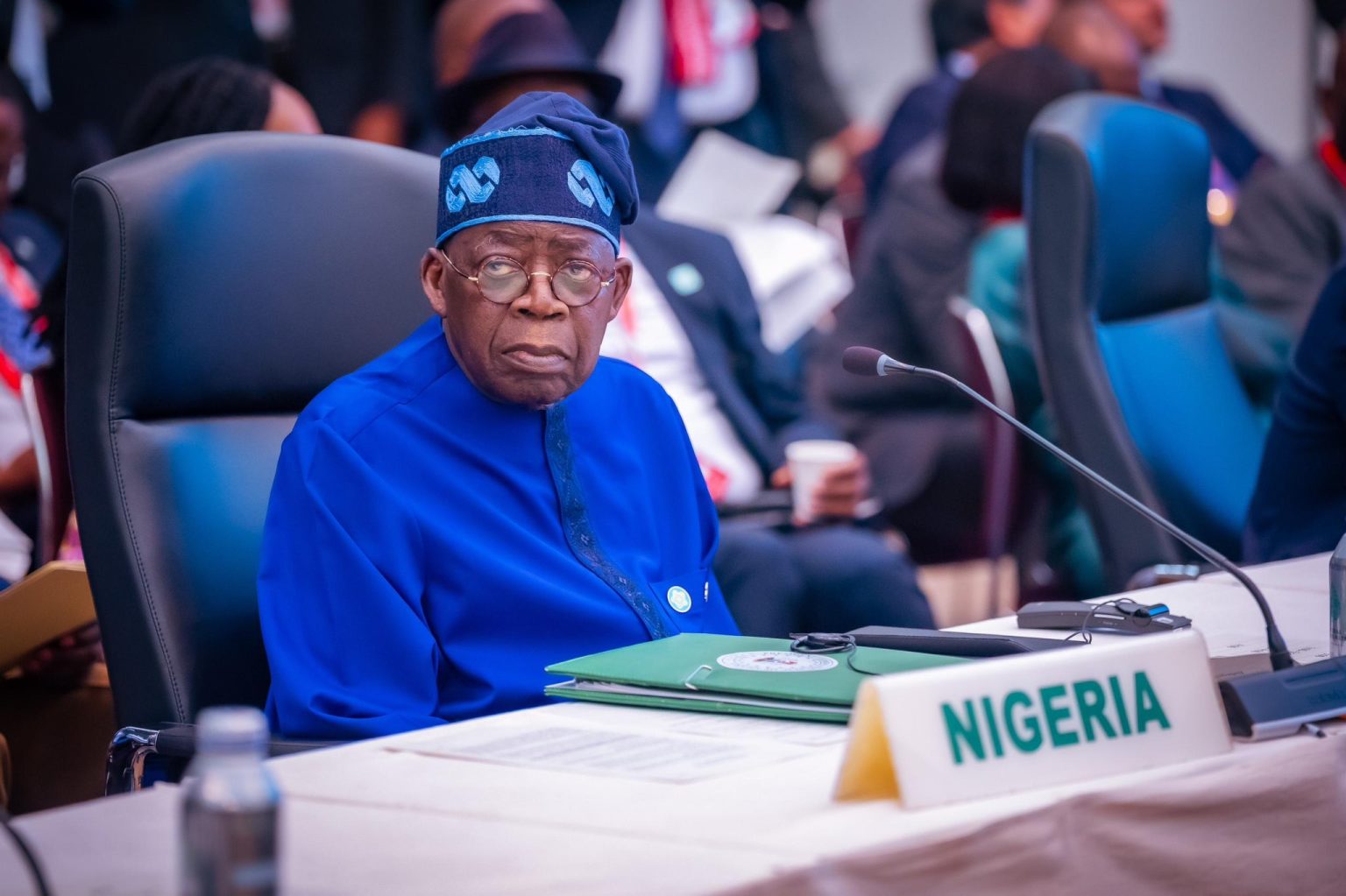
President Bola Ahmed Tinubu has formally requested the Senate to confirm new chief executives for two of Nigeria’s major petroleum regulatory bodies following the resignation of their current leaders, a move occurring amid rising tensions in the downstream oil sector.
In separate letters sent to the Senate on Wednesday, the President sought approval for fresh leadership at the Nigerian Midstream and Downstream Petroleum Regulatory Authority (NMDPRA) and the Nigerian Upstream Petroleum Regulatory Commission (NUPRC).
Engr. Farouk Ahmed resigned as CEO of NMDPRA, while Gbenga Komolafe stepped down as CEO of NUPRC. Both had been appointed in 2021 by former President Muhammadu Buhari following the enactment of the Petroleum Industry Act. The development was confirmed in a statement by the President’s Special Adviser on Information and Strategy, Bayo Onanuga.
Following the announcement, Ahmed was seen at the Presidential Villa in Abuja on Wednesday evening, arriving at around 5:30 pm and leaving less than 25 minutes later. It was unclear whether he met with President Tinubu or the nature of any discussion.
Ahmed’s resignation comes amid an intensifying dispute with industrialist Aliko Dangote, chairman of Dangote Industries Limited. The disagreement centers on Nigeria’s downstream petroleum regulation and the challenges facing domestic refining.
Dangote had accused NMDPRA, under Ahmed’s leadership, of economic sabotage, alleging at a press conference at Dangote Petroleum Refinery that the continued issuance of import licenses undermines local refiners and entrenches Nigeria’s dependence on petroleum imports. He further claimed that the regulator colluded with international traders and importers, disadvantaging domestic operators.
The controversy turned personal when Dangote alleged that Ahmed lived beyond his means, citing that four of his children attend secondary schools in Switzerland at multi-million-dollar costs, raising questions about potential conflicts of interest and regulatory integrity.
Dangote escalated the allegations on Monday, accusing Ahmed of corruption and misappropriation of public funds. He claimed roughly $5 million had been spent on secondary education and upkeep over six years, with an additional $2 million for tertiary education, including an alleged $210,000 spent in 2025 on a Harvard MBA program for one child.
On Tuesday, Dangote, through his lawyer Ogwu Onoja, SAN, submitted a petition to the Independent Corrupt Practices and Other Related Offences Commission (ICPC), calling for Ahmed’s arrest, investigation, and prosecution. The petition detailed that Ahmed allegedly spent over $7 million on his children’s education in Switzerland without evidence of lawful income, providing names, schools, and expenditure figures for verification.
As of the time of filing this report, neither the Presidency nor the ICPC had issued an official response to the allegations.