
Tough Times Ahead: U.S. Closes Door On Nigerians Who Overstay Visas – New Rules Begin
 Follow us on Google News
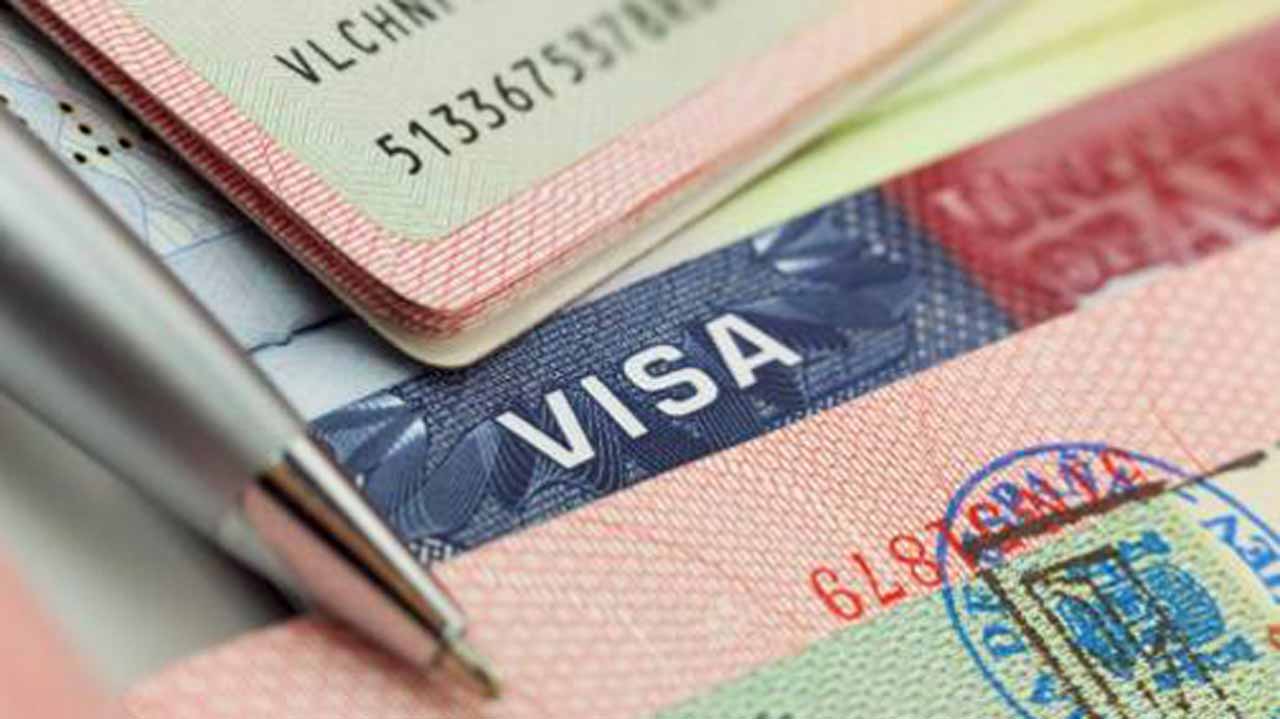
The United States government has issued a strong warning to Nigerian travelers about the consequences of overstaying their visas, stressing that such actions could lead to deportation and a lifetime ban from entering the U.S.
This warning was posted via the official X (formerly Twitter) handle of the U.S. Mission in Nigeria and forms part of a broader crackdown on immigration violations under President Donald Trump’s administration.
In the advisory, the U.S. Mission stated:
“If you remain in the United States beyond your authorized period of stay, you could be deported and permanently barred from future travel to the United States.”
This alert comes in the wake of newly announced U.S. visa restrictions and additional fees aimed at Nigerian citizens traveling for business, education, or tourism.
Under the updated visa policy, Nigerian applicants will now only be eligible for single-entry, three-month non-immigrant and non-diplomatic visas. The U.S. cited reasons such as high overstay rates, national security concerns, and document inconsistencies.
Furthermore, a non-refundable Visa Integrity Fee of $250 has been introduced across several categories, including:
-
Student visas (F and M)
-
Business/Tourist visas (B1/B2)
-
Work visas (H-1B)
-
Exchange visitor visas (J)
Only diplomatic visa holders (A and G categories) are exempt from these changes.
The policy also enforces non-waivable travel-related fees, such as the $24 I-94 form fee and the $13 ESTA fee under the Visa Waiver Program.
According to U.S. authorities, these updates aim to enhance visa reciprocity and curb longstanding concerns over immigration fraud and security breaches.
Adding to the tighter vetting measures, the U.S. Embassy has also mandated social media account disclosure for F, M, and J visa applicants. All applicants in these categories must now make their social media profiles public, enabling U.S. officials to conduct thorough background checks.
This follows a series of executive orders signed by President Trump, all intended to bolster immigration enforcement and intensify scrutiny of visa applicants.






Comments
0 comments