Unlocking Endometriosis – Causes, Symptoms, Prevention, And Treatment
Women, it’s time to address a condition that’s as complex to spell as it is to manage – endometriosis.
This goes beyond your typical menstrual discomfort; it’s a persistent visitor that affects millions worldwide, refusing to budge….READ ALSOGain Valuable Insights On Endometriosis: Join Dr (Mrs) Loretta Ogboro-Okor And The Caribbean & African Health Network (CAHN) Informative Zoom Session
Let’s delve into the intricacies of endometriosis, equipping you with knowledge and perhaps a sense of solace in knowing you’re not alone in this journey.
What exactly is endometriosis?
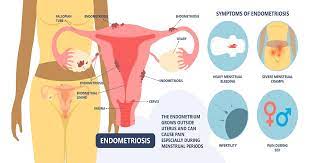
Endometriosis arises when tissue resembling the uterine lining grows outside the uterus, leading to pain and, at times, infertility.
It’s akin to having plants sprout beyond their pots in a garden. But what triggers this? The causes remain elusive, possibly involving genetics, hormones, or even misplaced cells from fetal development.
It’s a multifaceted condition with no singular origin, making it a perplexing medical puzzle.
Recognizing the signs and symptoms
The hallmark of endometriosis is excruciating pain, often surpassing the discomfort of typical menstrual cramps. It manifests as persistent pelvic pain, painful menstruation, discomfort during intercourse, or even during bowel movements and urination.
Moreover, if your menstrual periods resemble a bustling weekend crowd in intensity, it could signal endometriosis. Infertility can also be a heart-wrenching consequence for some.
Prevention and management
Preventing endometriosis poses challenges as its exact causes remain under scrutiny. However, reducing estrogen levels in the body can mitigate the risk.
This entails maintaining a healthy weight, moderating alcohol intake, and exploring birth control methods that regulate estrogen peaks during the menstrual cycle.
Nevertheless, consulting a healthcare professional for personalized advice is paramount.
Treatment approaches
Managing endometriosis primarily focuses on symptom alleviation, given the absence of a definitive cure. Pain management strategies range from over-the-counter anti-inflammatories to hormone therapies aimed at regulating or halting menstruation.
In severe cases, surgical intervention may involve removing the endometrial tissue. Additionally, fertility treatments offer hope for those aspiring to conceive.
Collaborating closely with your healthcare provider to tailor a treatment plan to your symptoms and life goals is crucial.
Navigating endometriosis may seem like a solitary struggle, but there’s a supportive community and medical resources available.
Raising awareness is pivotal in comprehending and addressing this condition. If you suspect you’re grappling with endometriosis, don’t hesitate to seek medical guidance. Here’s to seizing control of your well-being and embracing life’s triumphs, notwithstanding the obstacles.