
Zainab Ado Bayero: The Challenges We Face After Losing My Father
 Follow us on Google News
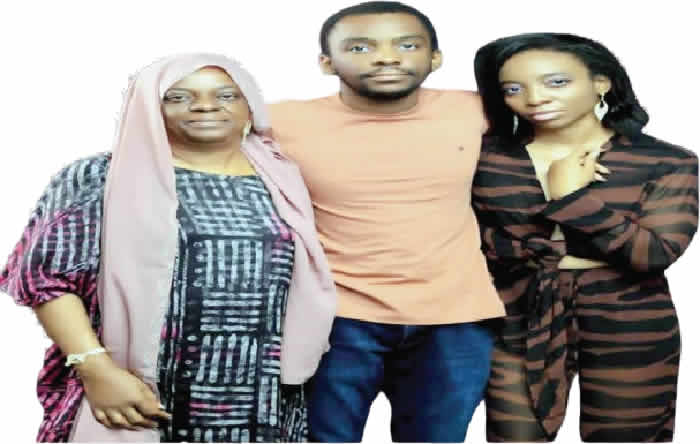
Zainab Ado Bayero: The Challenges We Face After Losing My FatherIn an exclusive interview with TEMITOPE ADETUNJI, Zainab Ado Bayero, daughter of the late Emir of Kano, opens up about her emotional struggles, financial challenges, and her journey to preserve her father’s legacy through a documentary
What was your father like behind the throne, and what fond memories do you cherish?
Born into royalty in Kano, I am a filmmaker. My first project is a documentary dedicated to my father, the late Emir Ado Bayero, who was a true gentleman—kind, charismatic, and genuinely concerned about his people and Nigeria. His belief in unity and love for his community left a significant void in the kingdom and in my heart after his passing on June 6, 2014. I remember that day vividly; it was a sudden shock. While we know that everyone must eventually pass, nothing can truly prepare you for that loss. His absence is profoundly felt.
Did you share a special bond with your father?
My father had an unforgettable presence. His confidence and charisma filled any room he entered. He naturally commanded respect, and even I was in awe of him. He was gentle but also firm, always encouraging me to be the best version of myself. Although I didn’t always understand his strictness, I now realize it was his way of preparing me for life. He loved reading and had a vast library filled with books. He kept himself informed about current events, often watching CNN and reading newspapers. This is why I felt compelled to honor him with a documentary about his life.
How has life changed for you since his passing?
Life has been incredibly challenging. His death created a significant void in my life and altered everything for my mother, my younger brother, and me. The emotional bond and security I felt with him disappeared, and it was difficult to accept that he wouldn’t witness my growth or important milestones. After his passing, we found ourselves sidelined and received nothing from his estate. In polygamous families, the dynamics can become complicated after the head of the family dies. Instead of unity, it often leads to struggle, with the strongest or eldest taking control and leaving others behind. We were left with almost nothing, and even a decade later, the challenges continue.
I attended Samadi secondary school in Kano, but I couldn’t pursue my education further after his death. I had always dreamed of becoming a lawyer and was at the top of my class, but circumstances changed that dream. Now, my priority is to ensure my brother can return to school. He aspires to be an engineer, but he is currently missing out on that opportunity.
How do you feel about the events that unfolded after your father’s passing?
This issue isn’t often discussed, especially in polygamous families. When influential men pass, their families should ideally be united and supported, but it often turns into a struggle for survival. My mother, brother, and I were left with little. Despite our royal lineage, we felt like outsiders after my father’s death. The journey has been difficult, filled with experiences I never anticipated.
You’ve mentioned facing many challenges after your father’s death. How has that impacted you personally?
Yes, the hardships have been significant. Although my father was wealthy and powerful, his passing exposed us to a very different reality. Without his support, we faced financial struggles. Many assumed we were well off, but that was far from the truth. Since his death, I’ve had to rely on my resilience. We faced potential eviction, and my brother hasn’t been able to return to school. This is partly why I decided to pursue filmmaking. My mother and I invested our savings into this documentary project as a way to honor my father’s legacy and support ourselves. However, securing the support I hoped for has been challenging.
Where did you live when your father was alive?
We resided in one of the family homes in Kano. Before he passed, we were in the process of securing our own place, but he was too ill to assist us. Now, over a decade later, we remain in a difficult situation.
Tell us more about the documentary project.
Unfortunately, the documentary hasn’t launched yet. I’ve been working on it since last year, striving to obtain the necessary support, but assistance has been minimal. I want to showcase it on a global platform to honor my father’s memory. I expected support from those who admired him—other emirs, the Sultan, and dignitaries—but I haven’t received the backing I anticipated. I believe part of the challenge is due to the patriarchal nature of society, as being a woman often complicates the search for support.
What kind of support do you need for the documentary?
I am seeking financial backing to reach a global audience. I want those who admired my father to help share his story with the world. This documentary isn’t just about finances; it’s a way to preserve his legacy and history for future generations. We are currently struggling, and any assistance, especially from Nigerians, would be invaluable in making this project a reality.
Have you considered taking legal action to claim your rights as a royal family member?
Yes, my mother attempted legal action shortly after my father passed, but it didn’t yield results. Without power or resources, fighting is challenging. Those with wealth can use their influence to oppress, so our only option to tell our story is through the media.
Given your father’s multiple marriages, shouldn’t all family members have access to his properties? Have you faced difficulties due to the polygamous nature of the family?
Yes, issues in polygamous families often become more pronounced, and we are feeling those effects now. However, we do not want to rely solely on the family. We need help to survive and rebuild our lives, and any support would mean the world to us as we seek to secure our future.
Looking back, do you have any regrets about how your life has turned out due to family dynamics?
There have been moments when I felt deeply depressed, struggling for years and questioning the purpose of it all.
Where are you currently living?
We are currently in Lagos, residing in an apartment with my mother and brother, but it’s not a permanent arrangement. We risk eviction again because we can’t afford the rent, and this has been our reality for quite some time.
For more information on this article and other related posts from Bushradiogist, please join our WhatsApp channel by clicking this link https://whatsapp.com/channel/0029VaUumOODTkK7AZL1Fw3o. For advertisement inquiries only, kindly send a message to 090 1907 0863 on WhatsApp.


Comments
0 comments