
2027 Senate Presidency Battle: Olesin Reveals Why Uzodinma Is At Odds With Wike
 Follow on Google News
All Progressives Congress chieftain Tajudeen Olesin has attributed the growing disagreement between FCT Minister Nyesom Wike and some APC governors, particularly Imo State Governor Hope Uzodinma and Kwara State Governor Abdulrahman AbdulRazaq, to competing political interests ahead of the 2027 elections.
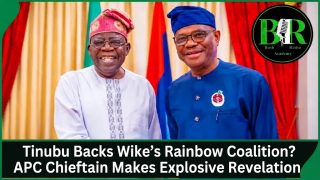
According to Bush Radio Academy, Olesin, who is among Kwara political figures backing Wike’s Rainbow Coalition, alleged that Uzodinma’s reported ambition to become Senate President in 2027 was a major factor behind his disagreement with the FCT minister. His comments were contained in a report by Punch published on September 20, 2026.
Olesin claimed that Uzodinma, whose tenure as Imo State governor runs until 2028, was considering leaving office before the end of his tenure, becoming a senator and subsequently seeking the position of Senate President in 2027. He further alleged that Wike was instead interested in supporting the return of the incumbent Senate President, Godswill Akpabio.
According to Olesin, Wike had indicated that he would not support a candidate from the Southeast for the Senate presidency if President Bola Tinubu returned for a second term. He therefore linked the reported disagreement between Wike and the governors to differing positions over the leadership of the National Assembly.
The development comes amid growing political activity surrounding Wike’s Rainbow Coalition, which has attracted support from some aggrieved APC members and former party figures in different states. The coalition has also become a source of disagreement between Wike and some APC governors ahead of the 2027 general elections.
However, the Kwara governor’s Special Adviser on Party Affairs, Mashood Alaka, offered a different explanation for the coalition and the disagreements involving Wike. Alaka alleged that Wike was using the Rainbow Coalition to build political relationships that could strengthen his position ahead of the 2031 presidential contest.
Alaka argued that Wike’s support for Tinubu’s possible 2027 re-election, while remaining a member of the Peoples Democratic Party and backing opposition candidates in some National Assembly contests, raised questions about the minister’s political strategy.
He maintained that Wike should either remain within the PDP as an opposition figure or formally align with the APC if he intended to operate within its political structure. Alaka also argued that the APC could secure Tinubu’s re-election without relying on Wike’s coalition.
However, Wike’s Senior Special Assistant on Public Communication and Social Media, Lere Olayinka, rejected the suggestion that the minister was using the coalition to position himself for a 2031 presidential bid. Olayinka argued that discussions about future presidential power rotation and the composition of the National Assembly should be considered in the context of the outcome of the 2027 elections.
The competing positions highlight the political tensions emerging around Wike’s Rainbow Coalition and the wider calculations surrounding the 2027 elections, including possible alliances, National Assembly leadership and the future alignment of political actors across party lines.





Comments
0 comments