
Senator Criticizes Nigeria’s Struggles To Harness Livestock Export Potential Amid Rich Resources
 Follow us on Google News
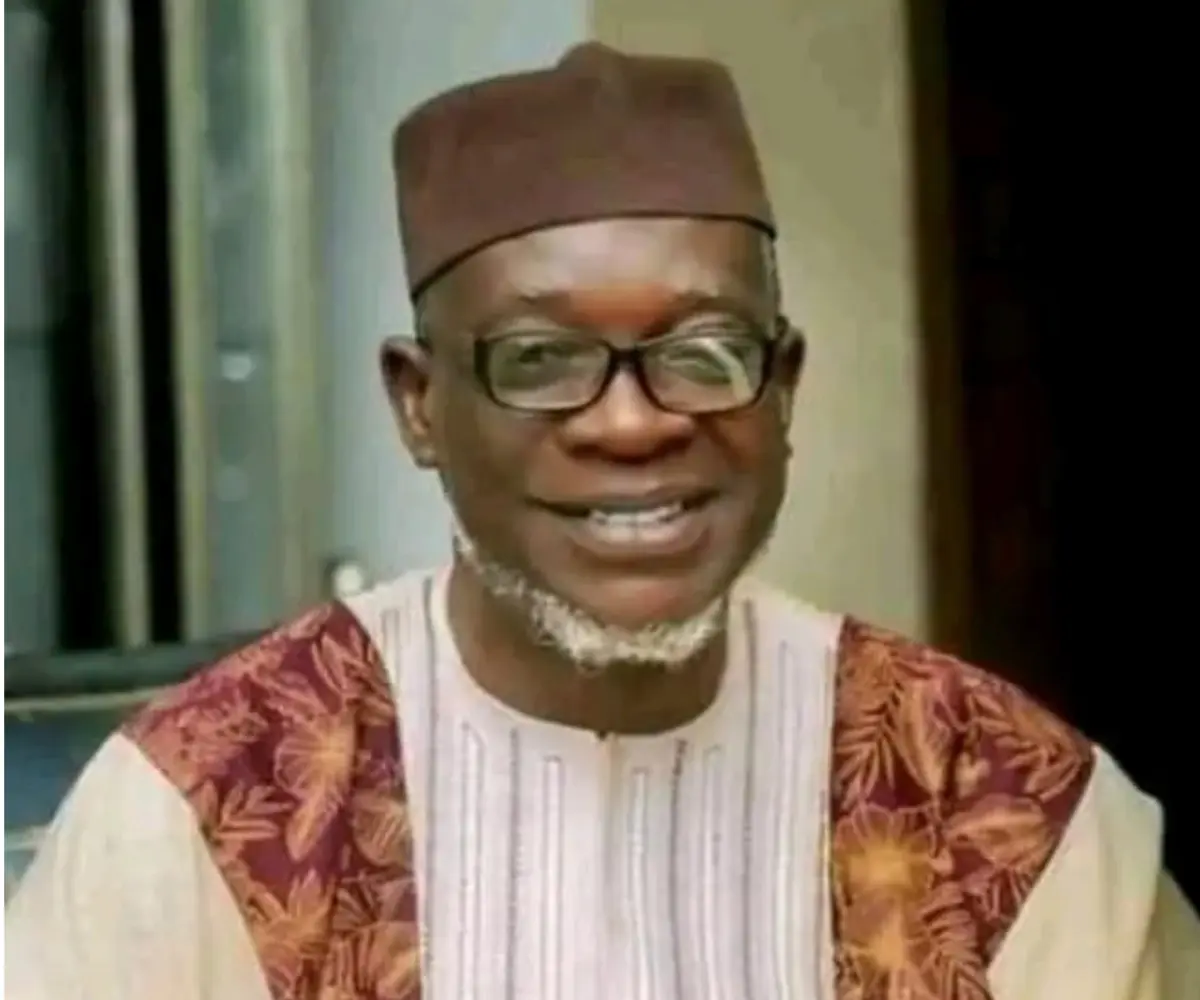
Senator Criticizes Nigeria’s Struggles To Harness Livestock Export Potential Amid Rich Resources
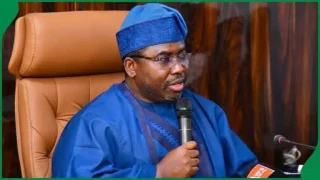
Senator Bima Enagi of Niger North has voiced his disappointment over Nigeria’s inability to leverage its vast livestock resources for export, despite holding over 40% of West Africa’s livestock population. Instead, the country continues to import meat, skins, and dairy products.
Speaking to journalists in Minna, Enagi attributed this shortfall to inadequate policies, lack of investment, and weak legislative frameworks within the sector. He highlighted his efforts to address these issues by sponsoring a Bill in the 9th Senate, titled the National Livestock Identification and Management Bureau Bill. The purpose of the Bill was to establish a system for livestock identification, registration, traceability, cattle rustling prevention, and disease control.
“The Bill passed its first and second readings,” he said. “But at the public hearing on September 21, 2021, concerns raised by the Federal Ministry of Agriculture and Rural Development and its agencies delayed its progress.”
Senator Enagi underscored the immense economic potential of developing Nigeria’s livestock value chain, citing global examples from countries like Brazil, the Netherlands, France, and the United States. He emphasized that this sector could generate billions of dollars in revenue and contribute significantly to diversifying Nigeria’s economy.
He also applauded President Bola Tinubu’s administration for creating the Federal Ministry of Livestock Development, expressing optimism that it would address many of the sector’s challenges.
“It is encouraging to see the proactive steps being taken by President Bola Tinubu to tackle the longstanding issues in the livestock sector through the establishment of the Federal Ministry of Livestock Development,” Enagi said.
He concluded by stressing that Nigeria’s natural wealth needs to translate into improved living standards for all citizens, noting, “It is not enough to say we are blessed by nature; we must work hard to ensure that our blessings reflect in the quality of life for the average person.”


Comments
0 comments