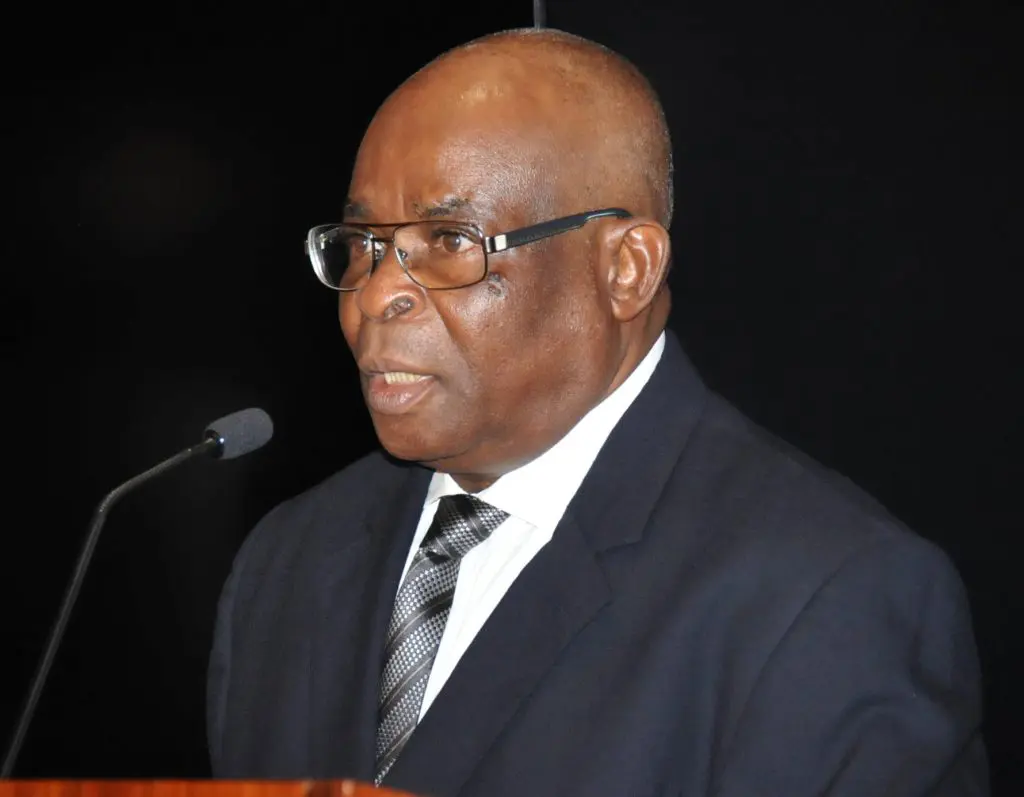
In 2019, former President Muhammadu Buhari removed Onnoghen from his position as CJN while charges were pending against him at the Code of Conduct Tribunal. The tribunal had convicted Onnoghen on April 18, 2019, and ordered the forfeiture of his bank accounts. However, the Appellate Court has now overturned that conviction, addressing the issues that led to Onnoghen’s trial.
Justice Abba Bello Mohammed, presiding over the three-member panel, issued a judgment based on a settlement agreement reached between the federal government and Onnoghen. He ordered the unfreezing of Onnoghen’s bank accounts, which have been frozen since 2019. These accounts are held at Standard Chartered Bank in Wuse, Abuja.
The settlement, which was unanimously accepted by all parties, concluded that the Code of Conduct Tribunal acted improperly by convicting Onnoghen without involving the National Judicial Council (NJC), the constitutionally designated body for disciplining judicial officers in Nigeria. The settlement terms were endorsed by Onnoghen, his lawyers—Chief Adegboyega Awomolo SAN and Dr. Ogwu James Onoja SAN—and Prince Lateef Olasunkanmi Fagbemi SAN, representing the federal government.
Onnoghen’s lead counsel, Awomolo, announced the settlement terms, which were dated October 24 but filed on November 1, and confirmed by Tijani Gazali SAN, who represented the federal government during the proceedings.
The Code of Conduct Tribunal had found Onnoghen guilty on all six counts of breach of the Code of Conduct for Public Officers while he served as the head of Nigeria’s judiciary. In a lead judgment delivered by the tribunal’s Chairman, Danladi Yakubu Umar, Onnoghen was ordered to be removed from his position as CJN and stripped of his roles as Chairman of the NJC and the Federal Judicial Service Commission. Additionally, the tribunal ordered the forfeiture of his five bank accounts, which Onnoghen had failed to declare in his asset declaration form submitted to the Code of Conduct Bureau.
Despite being suspended since January 25, 2019, and resigning on April 4, the tribunal still ordered his removal from office.
Dissatisfied with the tribunal’s decision, Onnoghen appealed to the Court of Appeal on April 29, 2019, presenting 16 grounds for why his conviction should be overturned. Through his lead counsel, Awomolo, he sought to have the appellate court void the tribunal’s judgment, citing issues of jurisdiction, bias, and a lack of fair hearing.
Onnoghen contended that the tribunal’s panel, led by Danladi Umar, had erred in law and caused a miscarriage of justice by failing to decline jurisdiction over the charges against him and argued that Umar should have recused himself from the trial. In his appeal, he sought to have the court quash the forfeiture of his assets and declare him not guilty of all charges.
Onnoghen also disputed the tribunal’s findings regarding the non-declaration of assets, clarifying that he did not intentionally omit declarations from 2005 as a Supreme Court Justice but simply forgot to declare in 2009. He maintained that his assets were legitimately acquired and challenged the tribunal’s authority to confiscate them under the provisions of the Code of Conduct Bureau Act.