
Latest
Food Prices Drop Nationwide: Sh*cking New Rates For Rice, Beans, Tomatoes & More

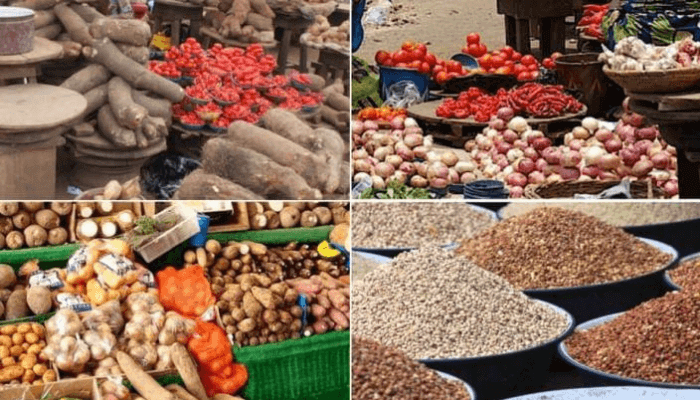
Food prices in Nigeria have seen mixed movements in recent weeks, with some staples becoming more affordable while others continue to rise. Here’s an updated breakdown of food commodity prices across major markets....KINDLY READ THE FULL STORY HERE▶
-
Rice: A 50kg bag of long-grain foreign rice now goes for ₦82,000–₦85,000, down from ₦95,000–₦100,000. Short-grain imported rice dropped to ₦65,000–₦67,000. Locally parboiled rice is around ₦89,000.
-
Beans: A 100kg bag of white beans in Kaduna has plunged from ₦160,000 to ₦88,000. In Lagos, a paint bucket of beans has halved from ₦12,000 to ₦6,500.
-
Tomatoes: A small basket sells for ₦4,500, while a larger one ranges between ₦25,000 and ₦30,000—still high due to seasonal constraints and transport costs.
-
Spaghetti: Cartons are priced between ₦21,000 and ₦22,000.
-
Palm Oil: Now ₦1,800 per litre in Benue, down from ₦2,500.
-
Groundnut Oil: A 25-litre keg is approximately ₦32,500.
-
Semovita: Prices are stable—2.5kg for ₦3,700 and 12kg for ₦12,300.
-
Beef (Boneless): Averages ₦6,000/kg.
Key Influences: Persistent inflation, rising fuel prices, insecurity in farming zones, and forex instability are all shaping the current price trends.
Version 2: Consumer-Focused
Nigerians are feeling both relief and pressure at the markets as prices of food items fluctuate. While rice and beans have become more affordable, items like tomatoes and spaghetti still remain costly.
Here’s what you need to know:
-
Rice prices are down significantly.
-
Beans are now almost half their previous cost in some states.
-
Tomatoes remain pricey due to off-season shortages.
-
Cooking oil and semovita show slight relief, while beef remains expensive.
Market watchers blame inflation, transport costs, and insecurity for these unpredictable price swings. Shoppers are advised to buy in bulk and compare prices across markets.
Version 3: Reportage Style
The cost of food items across Nigeria has taken varying turns this week. While staples like rice, beans, and palm oil have dropped in price, others such as tomatoes and beef remain high.
A 50kg bag of rice now sells for ₦82,000–₦85,000, while beans dropped dramatically in Kaduna and Lagos. Tomato prices remain elevated due to off-season harvesting and logistics costs. Cooking oil prices show a slight reduction, and semovita remains mostly unchanged.
Economic analysts cite inflation, security challenges in farming communities, and currency instability as key drivers of price volatility.
Version 4: Concise Summary
Prices of key food items in Nigeria have seen mixed changes this week:
-
Rice: Significant drop to ₦82,000–₦85,000 (50kg bag).
-
Beans: Major decrease—₦88,000 for 100kg in Kaduna.
-
Tomatoes: Still high at ₦25,000–₦30,000 (big basket).
-
Palm Oil: Down to ₦1,800/litre in Benue.
-
Beef: Remains costly at ₦6,000/kg.
Price fluctuations are driven by inflation, insecurity, and forex instability. Consumers should stay alert and plan purchases strategically.
Version 5: Economic Insight Style
Despite slight relief in some food categories, Nigeria’s markets continue to grapple with rising costs overall. Rice and beans have become more affordable, offering temporary relief. However, tomato and meat prices remain stubbornly high due to persistent supply chain disruptions.
Economic pressures—such as fuel price hikes, farmer displacement due to insecurity, and a weak naira—continue to hinder market stability. These trends reflect deeper systemic challenges facing Nigeria’s food economy.


Breaking: Tinubu Heads To Kenya, Rwanda, France On Diplomatic Mission

Terror In Sokoto: Bandits Kidnap Deputy Governor’s Relatives In Fresh Attack

I’m The Chef At Home!” – Banky W Reveals He Does The Cooking, Not His Wife

Social Media Erupts As Yul Edochie Questions Obi’s Ability To End Poverty

Breaking Silence: Gbenga Daniel Reveals His Side Of The Story

Breaking: Complete List Of Charges Filed Against Timipre Sylva And Alleged Coup Network Exposed

Political Tension Rises As Tonye Cole Grabs APC Ticket Form For Rivers Clash

Delta State Tragedy: Police Reveal New Details On Officer’s Role In Fatal Incident

Lagos 2027 Shake-Up: Obasa Backs Hamzat As Tinubu, GAC Reach Crucial Decision
